How Do Sony Noise Cancelling Headphones Work: Explained

For listeners in the United States, Sony noise-canceling headphones reduce outside sound by using microphones, digital signal processing, and tiny speakers inside the earcups. The microphones hear nearby noise, the processor studies it, and the headphones create a matching sound wave that helps cancel it. Soft earcups also block part of the noise before the electronic system acts.
Sony calls this noise canceling, often shortened to ANC, or active noise cancellation. It works best with steady, low sounds such as airplane engines, bus rumble, air conditioners, and office fans. It is less effective against sudden sounds, voices, claps, and high-pitched noise.

What is active noise cancellation?
Active noise cancellation uses sound to reduce unwanted sound. It does not make a perfect silent space, and it does not erase noise in the same way that a mute button removes audio from a recording.
A Sony headset usually combines three forms of noise control:
- Passive isolation: The earcups or ear tips form a physical barrier.
- Active noise cancellation: Microphones and speakers work together to reduce outside noise.
- Sound masking: Your music, podcast, or other audio covers some noise that remains.
The earcups matter more than many people expect. A poor seal lets sound leak around the ears, which gives the electronic system less control. Glasses, thick hair, loose ear tips, or the wrong ear-tip size can all reduce the effect.
Active versus passive noise reduction
Passive isolation blocks sound with materials. It works without a battery and can reduce some high-frequency sounds, such as speech and keyboard clicks.
Active noise cancellation targets sound with electronics. It often helps more with deep, steady noise. Sony headphones may use both methods at once, so the result is a combination rather than the work of ANC alone.
How does Sony noise cancellation work step by step?
Sony noise cancellation follows a short electronic process: listen, analyze, create an opposite signal, and adjust.
1. Microphones listen to the environment
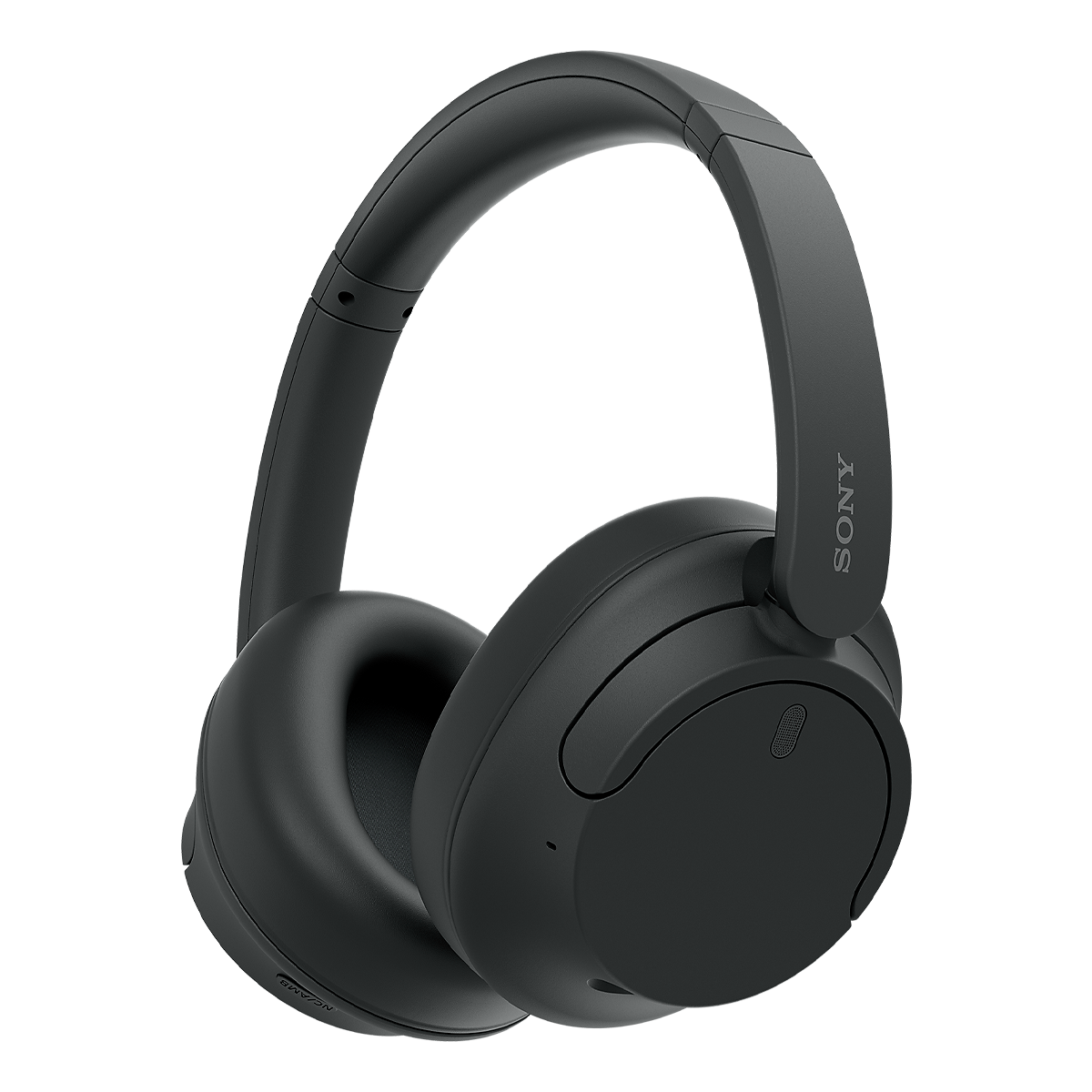
Sony ANC headphones use small microphones to detect sound around the listener. Depending on the model, microphones may sit on the outside of the earcups, inside the earcups, or in both places.
External microphones hear sound before it reaches the ear. Internal microphones measure what remains inside the earcup. This arrangement is often called feedforward, feedback, or hybrid noise cancellation.
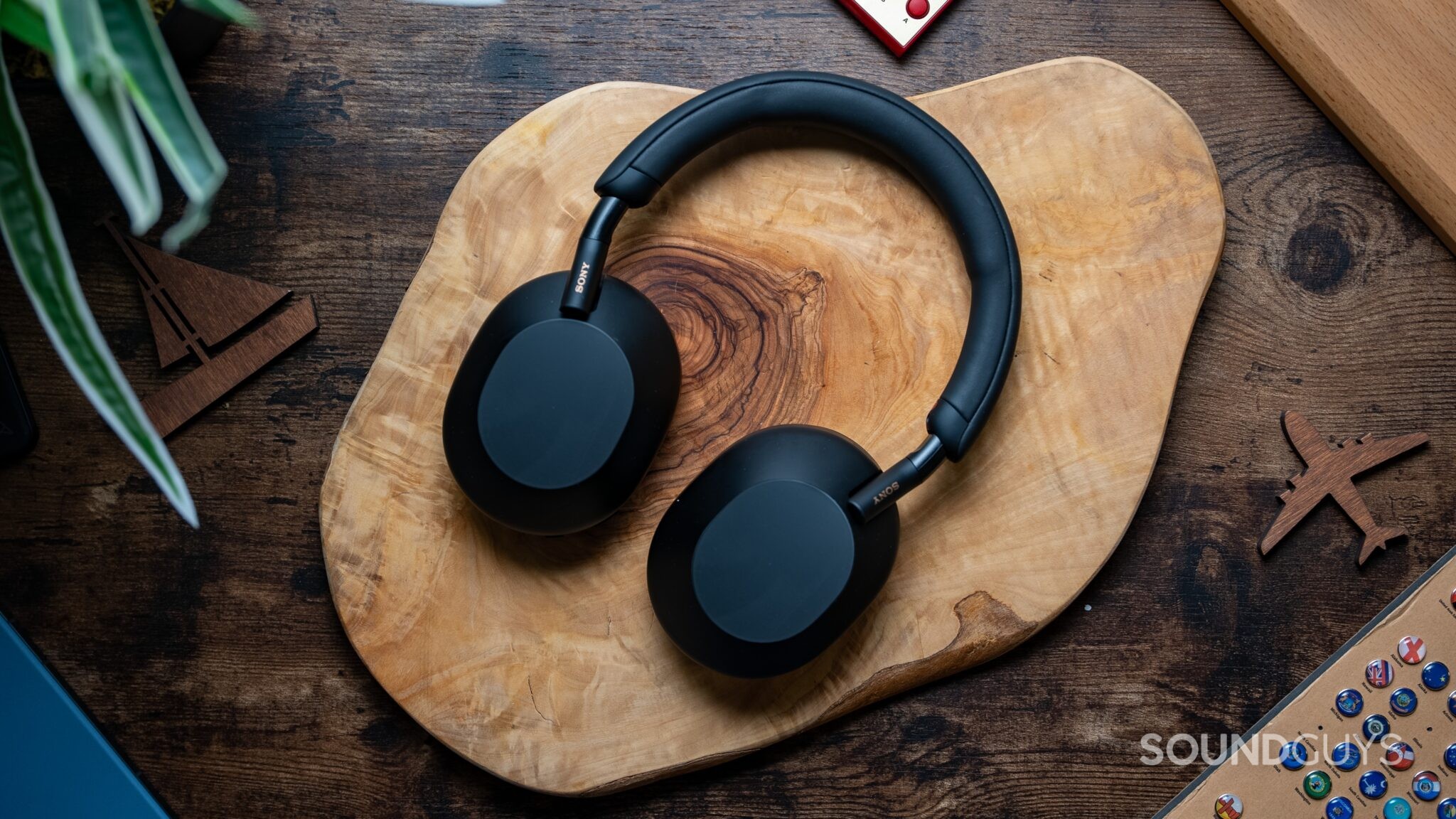
The exact microphone layout varies by model. A Sony WH-1000XM series headset and a Sony WF-1000XM series earbuds model may use different hardware and software, even though both use ANC.
2. A processor analyzes the sound
The headphones send the microphone signal to a digital signal processor, or DSP. The processor examines the sound’s timing, frequency, and strength.
Sony uses model-specific processing systems. Marketing names and chip names can change between product generations, so the most reliable source for a specific function is that model’s Sony manual or help guide.
3. The speakers create an opposing wave
The headphone drivers play a carefully timed signal designed to oppose the unwanted sound. When the two sound waves meet, they can reduce one another in the earcup.
This process is called destructive interference. It is similar to two water waves meeting and becoming smaller in part of the pool. The effect depends on timing, position, frequency, and the seal around the ear.
The “opposite sound” is not simply the same sound played backward. The processor must account for delay and for the way the earcup, ear, and headphone driver affect the sound.
4. The system keeps adjusting
Noise changes as you move. An airplane engine may stay fairly steady, while a train enters a station or a person walks past you. ANC systems keep sampling the environment and changing the signal they send to the drivers.
Some Sony models also use automatic optimization. Depending on the model, the headphones may adjust for fit, atmospheric pressure, or wearing conditions. These features do not work in exactly the same way across all Sony headphones.
Why does Sony ANC work better on some sounds than others?
Sony noise cancellation works best when the sound is steady, predictable, and low in pitch. It has less control over sound that changes quickly or contains many high frequencies.
| Outside sound | Typical ANC result | Why |
|---|---|---|
| Airplane engine rumble | Strong reduction | Low and fairly steady |
| Bus or subway vibration | Strong to moderate reduction | Repeating low-frequency energy |
| Air conditioner | Strong reduction | Continuous and predictable |
| Office hum | Moderate to strong reduction | Often steady and low |
| Nearby conversation | Partial reduction | Speech changes quickly |
| A dog bark or clap | Limited reduction | Sudden sound gives the system little time |
| Siren or alarm | Limited and variable | Complex tones can pass through |
| Wind | Variable | Turbulent air can hit the microphones |
This is why ANC can make a flight feel much quieter but may not remove every word from a nearby conversation. Passive isolation and your own audio still affect what you hear.
Why voices can still be heard
Human speech covers a broad range of frequencies. It also changes rapidly. A voice may reach the ear through gaps around the earcup, through the headphone frame, or through vibration in nearby surfaces.
Noise cancellation may lower the voice without removing it. Turning up music to hide speech is not always a good solution because high playback levels can increase hearing risk.
Why wind can make ANC sound strange
Wind striking an external microphone can create a signal that the processor interprets as noise. The result may sound like rushing air, thumps, or unstable cancellation.
Sony headphones may include wind-reduction or ambient-sound settings, but performance depends on the model and the conditions. A hood, scarf, or strong crosswind can also affect the microphones.
What are Sony Ambient Sound Mode and Adaptive Sound Control?
Sony’s ambient features let outside sound pass through the headphones instead of trying to block it. The microphones capture nearby sound, and the headphone speakers play a controlled version of it into your ears.
Ambient Sound Mode is useful when you need to hear announcements, a coworker, or traffic around you. It is not the same as removing noise. It uses the microphones to make the environment more audible.
Adaptive Sound Control is a Sony feature found on some models and app versions. It can change listening settings based on detected activity or location. For example, a user may set one profile for sitting and another for walking. The feature and available controls vary by model.
Common Sony controls may include:
- Noise canceling
- Ambient sound
- Focus on Voice
- Wind noise reduction
- Speak-to-Chat
- Adaptive Sound Control
- Automatic ambient adjustment
These options are usually managed through Sony’s Sound Connect app, formerly called Headphones Connect, when the model supports the app. App menus and functions can change, so check the current Sony support page for your exact model.

How do Sony noise-canceling headphones compare with regular headphones?
Regular headphones can block sound through their shape and padding, but they do not create an electronic signal to reduce outside noise.
Sony ANC headphones add:
- Microphones
- A processor
- Battery-powered signal processing
- Firmware
- Speakers that play both your content and the control signal
That added system can reduce low background noise more effectively than passive headphones alone. It also creates trade-offs. ANC uses battery power, may produce a faint pressure-like sensation for some users, and can sound different when the microphones or ear seal change.
The “pressure” feeling is not usually a change in air pressure inside the ear. It often comes from hearing less low-frequency sound, from the sound character of the cancellation system, or from the physical fit of the earcups. If the headphones cause pain, dizziness, or discomfort, remove them and check the fit. Persistent symptoms deserve medical advice.
Why does Sony noise cancellation sometimes seem weak?
Weak ANC usually has a practical cause. Check the fit, mode, battery, microphones, and software before assuming the headphones are defective.
1. Check the selected mode
Make sure the headphones are in Noise Canceling, not Ambient Sound or Off. Some Sony models switch modes with a button, touch control, app setting, or voice command.
2. Improve the ear seal
For over-ear headphones, the cushions should surround the ears. They should not press on the ears so tightly that they become painful.
For Sony earbuds, try the supplied ear-tip sizes. The correct tip should feel secure without causing pain. Sony’s app may offer a fit test on supported models.
3. Clean the microphones and ear tips
Dust, skin oil, and debris can affect the fit. Blocked microphone openings can also change performance. Follow Sony’s cleaning instructions, and do not push liquid into the microphone ports or charging contacts.
4. Charge the headphones
ANC needs power. A low battery may disable noise cancellation or limit some features, depending on the model. Charge the headset fully and test it again.
5. Test with and without music
Play no music in a steady environment, such as near an air conditioner. Then compare Noise Canceling, Ambient Sound, and Off.
This test helps separate ANC performance from music quality. If the background sound changes clearly between modes, the system is probably working even if it does not create silence.
6. Check the app and firmware
If the model supports Sony Sound Connect, check its noise-control settings. Look for:
- Ambient sound level
- Noise-canceling optimizer
- Equalizer settings
- Adaptive Sound Control
- Wind noise reduction
- Firmware updates
Do not assume that every option is available on every Sony headset.
7. Reset or initialize the headphones
If the mode does not change, the app cannot connect, or the headset behaves oddly, follow the exact reset or initialization steps in the Sony help guide. A reset may remove Bluetooth pairings or saved settings.
If the problem remains after a full charge, correct fit, cleaning, and reset, contact Sony support. Do not open the earcups or battery housing yourself.
Does Sony ANC protect your hearing?
No. Sony noise cancellation is designed to improve listening comfort and reduce unwanted sound. It is not a certified substitute for hearing protection.
A quieter background may help you listen at a lower volume, which can be useful. However, ANC does not make loud music safe at any volume, and it does not protect the ear from every loud sound.
The CDC’s National Institute for Occupational Safety and Health explains that repeated exposure to loud sound can damage hearing. In the United States, NIOSH uses 85 dBA over an eight-hour workday as a recommended exposure limit for occupational noise, with less allowable exposure as sound levels rise. That workplace guidance does not turn consumer headphones into a personal hearing test or hearing-protection device.
Use certified hearing protection in loud workplaces, at concerts, near firearms, around power tools, or in other high-noise settings. Keep enough awareness of vehicles, cyclists, alarms, and other hazards when walking or traveling.

Do Sony headphones cancel noise when they are turned off?
It depends on the model and how you use it.
When powered off, passive isolation can still block some sound. Some Sony over-ear models can also play audio through a cable when the battery is empty, but active noise cancellation normally requires power.
The exact behavior depends on the model, connection method, and battery state. Check the Sony help guide before relying on wired listening during a flight or long trip.
Does Bluetooth affect noise cancellation?
Bluetooth mainly affects how audio reaches the headphones. ANC works from the headphone’s microphones, processor, and drivers, so changing Bluetooth codecs does not automatically make ANC stronger.
Bluetooth settings can change audio quality, delay, connection stability, and battery use. They do not replace a good seal or repair a blocked microphone.
If ANC seems weak only during Bluetooth use, compare it with no music, a wired connection if supported, and the headphone’s other noise modes. This can show whether the issue is noise control or the audio connection.
Can Sony noise cancellation work without music?
Yes, on supported models. Noise cancellation can operate while you listen to silence.
This is useful on an airplane, in a shared office, or while studying. Remember that the headphones may still reduce your awareness of alarms, announcements, vehicles, and people nearby.
Key takeaways
- Sony ANC uses microphones, a processor, and speakers to reduce outside sound.
- It works best with steady, low-frequency noise.
- Earcup or ear-tip fit has a major effect on performance.
- Ambient Sound Mode does the opposite of ANC by making outside sound easier to hear.
- ANC does not create total silence or replace hearing protection.
- If performance is weak, check the mode, fit, cleanliness, battery, app settings, and reset instructions.
Frequently asked questions
How do Sony noise-canceling headphones create silence?
They do not create complete silence. They sample outside sound and play a carefully timed opposing signal that reduces part of it. Ear cushions or ear tips block additional sound.
Are Sony noise-canceling headphones safe?
They are generally designed for normal consumer listening, but safe use depends on volume, duration, and the environment. Keep audio as low as practical, take breaks, and do not treat ANC as hearing protection.
Why can I still hear people with Sony ANC on?
Speech changes quickly and covers many frequencies. Sound can also enter through gaps around the earcups or through the headphone frame. ANC may reduce voices without removing them.
Why does my Sony headset sound better with noise cancellation on?
Some people prefer the sound balance with ANC enabled because low outside noise is reduced. The change may also come from the headset’s signal processing or from a different sound mode. Compare Noise Canceling, Ambient Sound, and Off at the same volume.
Should I use Ambient Sound Mode or Noise Canceling outdoors?
Use the setting that preserves the awareness you need. Ambient Sound may help you hear traffic and announcements, while Noise Canceling may reduce distracting background noise. Neither setting guarantees that you will hear every hazard, so stay alert.
Conclusion
Sony noise-canceling headphones work through a blend of physical isolation and active electronic control. Microphones capture outside sound, a processor calculates a response, and the headphone drivers produce a signal that reduces part of the unwanted noise.
The best results come from a good fit, clean microphone openings, the correct listening mode, and sensible volume. For a specific Sony model, use its official help guide because microphone design, app features, wired behavior, and reset steps can differ.
For additional technical and safety detail, consult Sony’s model-specific support documentation and the CDC’s NIOSH guidance on noise and hearing loss.