How Do Bose Noise Cancelling Headphones Work: How ANC Works

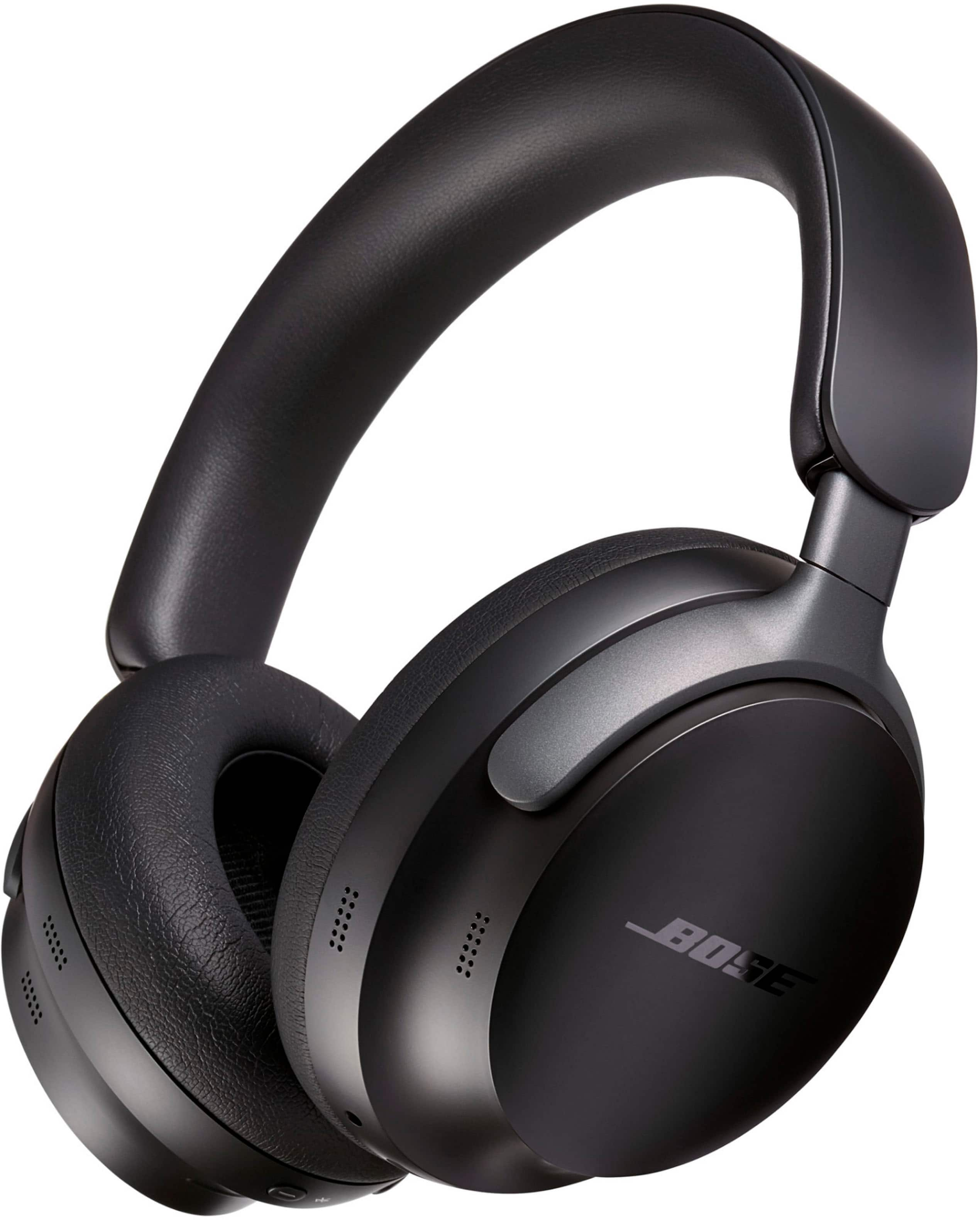
Bose noise cancelling headphones use microphones, a digital signal processor, and small speakers to reduce unwanted sound. The microphones listen to nearby noise. The processor creates a matching sound wave with the opposite pattern. When the two waves meet, much of the unwanted sound is reduced.
For people in the United States, this can make a long flight, subway ride, office, or busy coffee shop feel quieter. Bose headphones do not create total silence, and they do not block every sound equally. They work best against steady, low sounds such as airplane engines, bus noise, and air conditioners.

The short answer: Bose uses active noise cancellation
Bose noise cancelling headphones use active noise cancellation, often called ANC. ANC is an electronic process that reduces outside sound before it reaches your ears.
A typical Bose ANC system has four key parts:
- External microphones listen to sound around you.
- Internal microphones monitor sound near your ears.
- A digital signal processor studies the sound and calculates a response.
- The headphone speakers play the response, called anti-noise.
The anti-noise is not random. It is designed to have the opposite waveform of the unwanted sound. When the outside noise and anti-noise overlap, they partly cancel each other.
This process is called destructive interference. It is similar to adding positive and negative numbers. If the timing and level match well, the result becomes smaller.
Bose also uses the ear cups, ear cushions, and headband to create passive noise reduction. This physical barrier blocks some sound even when ANC is turned off. Active and passive noise control work together.
How active noise cancellation works step by step
The headphones must detect, process, and reduce sound very quickly. The basic process looks like this:
-
A microphone detects outside sound.
Sound from an engine, fan, or nearby conversation reaches one or more microphones. -
The processor analyzes the sound.
A digital signal processor measures features such as frequency, timing, and strength. -
The headphones create anti-noise.
The speakers produce a sound wave with an opposing phase. -
The waves meet near your ear.
The outside sound and anti-noise combine. Their total energy is reduced. -
The system checks the result.
Internal microphones can monitor the sound inside the ear cup. The processor can then adjust the response.
The system must react in a very short time. A delay that is too long would make the anti-noise less effective. It could also create an unwanted echo or change the sound of your music.
Feedforward, feedback, and hybrid ANC
Noise cancelling headphones can use different microphone layouts.
Feedforward ANC places microphones on the outside of the ear cups. These microphones hear noise before it reaches your ears. This gives the processor more time to respond.
Feedback ANC places microphones inside the ear cups. These microphones measure the sound that remains near your ears. The system can use this information to correct its output.
Hybrid ANC combines both methods. Many advanced headphones use a hybrid design because it can respond to outside noise and monitor the result inside the ear cup.
Bose does not publish every design detail for every headphone model. Features and microphone layouts can vary between models and software versions. The general ANC process, however, follows the principles above.

Why Bose headphones reduce some sounds better than others
Bose ANC is usually strongest against constant, low-frequency sound. Examples include:
- Airplane engine rumble
- Bus and train vibration
- Air conditioning
- Office ventilation
- Road noise
- Some mechanical hum
These sounds have fairly stable patterns. The headphones can study them and create a close anti-noise signal.
Short, sharp, and irregular sounds are harder to reduce. Examples include:
- A person speaking nearby
- A dog barking
- Dishes hitting a table
- A child shouting
- A door slamming
- A phone ringing
- Keys or tools striking a surface
The headphones may reduce part of these sounds, but they cannot remove them in the same way they reduce engine noise.
Why voices can still be heard
Human speech contains many changing frequencies. Consonants such as “s,” “t,” and “k” can be brief and sharp. The sound can also reach your ears through gaps around the cushions or through your skull and body.
This is why ANC headphones may reduce the deep background hum while leaving voices partly audible. Passive sealing can help with some higher sounds, but a loose fit can make the result worse.
Fit affects noise cancellation
A good seal around your ears is essential. Glasses, hair, hats, earrings, or worn ear cushions can create small gaps. Those gaps let outside sound enter.
For over-ear Bose headphones, check that:
- The cushions fully surround your ears.
- The headband sits evenly.
- The ear cups are not tilted.
- No large gap appears near your glasses.
- The cushions are clean and still soft.
For Bose earbuds, the correct ear tip size matters. A tip that is too small may not seal the ear canal. A tip that is too large may feel painful and still fail to seal correctly.

What Bose modes do
Many Bose headphones let you choose different listening modes. The names and controls can differ by product, so check the manual or Bose app for your model.
Quiet or noise cancellation mode
This mode applies stronger ANC. It is useful when you want to reduce steady background noise during travel, work, or study.
It does not guarantee silence. You may still hear alarms, announcements, voices, or nearby movement.
Aware or transparency mode
Aware mode reduces or limits the feeling of isolation. External microphones send some outside sound through the speakers with your audio.
This can help when you need to hear:
- Airport announcements
- A coworker
- Traffic near a sidewalk
- A cashier
- A doorbell or alert
Transparency modes use microphones and electronic processing. The sound may not be identical to hearing the room without headphones.
Custom modes
Some Bose models let you save a custom level of noise cancellation. You may use a lower level in an office and a higher level on a plane.
If a mode seems too strong or uncomfortable, reduce the level or try Aware mode. Comfort varies by person, fit, sound environment, and headphone model.
How noise cancellation differs from passive isolation
Passive noise isolation blocks sound through physical materials. Ear cups and ear tips form a barrier between your ears and the outside world.
Active noise cancellation uses electronics to reduce sound with anti-noise.
The two systems have different strengths:
| Type | Main method | Usually works best for |
|---|---|---|
| Passive isolation | Ear cups or ear tips block sound | Higher-pitched sound, leaks, and general sound reduction |
| Active noise cancellation | Microphones and anti-noise reduce sound | Steady, low-frequency sound |
| Both together | Electronic and physical reduction | The broadest practical reduction |
A well-sealed pair of headphones can work better than a more advanced ANC system with a poor fit. ANC is not a substitute for ear protection in hazardous noise.

Do Bose headphones cancel sound from music?
Bose headphones generally use ANC to reduce outside sound while playing music, podcasts, or calls. They do not need to cancel the audio you intentionally want to hear.
The processor treats the outside noise and your selected audio as separate signals. It reduces the detected environmental noise while allowing the music or speech signal to remain.
In practice, ANC can make music seem clearer because less background noise competes with it. Some listeners may then lower the volume. That can be useful, but ANC does not automatically make any listening level safe.
You can also use many Bose noise cancelling headphones without playing audio. In that case, the headphones can still reduce outside noise, subject to the model’s battery and mode limits.
What happens when the battery runs out?
Active noise cancellation needs power. If the battery is empty, the headphones may lose ANC and electronic modes.
The exact behavior depends on the model:
- Some over-ear headphones can play through a cable when powered off.
- Some features may not work through a cable without battery power.
- Wireless playback normally requires a charged battery.
- Earbuds may stop working when their charging case and earbuds are empty.
Check the manual for your exact Bose model before relying on wired use during travel. Do not assume that every Bose headphone has the same battery behavior.
Can Bose noise cancelling headphones damage hearing?
ANC itself does not make sound dangerous. The main hearing risk comes from listening too loudly or for too long.
Because ANC lowers background noise, some people may be able to use a lower music volume. But listeners can also turn the volume up without noticing how loud it is.
Use a comfortable level and take breaks during long listening sessions. If you hear ringing, muffled sound, pain, or a lasting change in hearing, stop listening and seek medical advice. For loud workplaces, concerts, shooting ranges, or power tools, use hearing protection designed and rated for that environment rather than relying on consumer headphones.
Bose headphones also reduce awareness of your surroundings. Use extra care near traffic, bicycles, railroad crossings, stairs, and other hazards. Use Aware mode or remove the headphones when you need to hear warnings.
Common Bose ANC problems and practical fixes
The headphones reduce one side more than the other
Possible causes include a poor seal, dirty microphones, blocked ear tips, or a software issue.
Try these checks:
- Remove and refit the headphones.
- Clean the ear tips or cushions according to the model instructions.
- Check that the microphone openings are not covered.
- Test another listening mode.
- Restart the headphones.
- Check for available Bose app updates.
- Test the headphones with another device.
If the imbalance remains, contact Bose support or an authorized service provider.
The headphones make a hiss or pressure-like feeling
A faint electronic hiss can occur with active electronics. Some listeners also notice a sense of ear pressure because low-frequency background sound becomes quieter, not because the headphones change air pressure inside the ear.
Try a lower ANC setting or Aware mode. If you feel pain, dizziness, or strong discomfort, stop using the headphones and seek medical advice if symptoms continue.
The headphones do not block much noise
Check the fit first. A gap around an ear cup can reduce ANC performance. Then confirm that the headphones are in the intended noise cancelling mode rather than Aware mode.
Also consider the type of noise. Voices and sudden sounds are harder for ANC to reduce than engine rumble. A quiet room may make the headphones seem effective, while a loud space with irregular speech may expose their limits.
The sound changes when ANC is turned on
ANC processing can change the perceived balance of music. The effect may be more noticeable with some recordings, ear shapes, and headphone models.
Try another mode, adjust the equalizer if the model supports it, and update the Bose app and headphone software. Avoid covering the microphones, since that can affect the system’s feedback.
Bose ANC compared with ordinary headphones
Ordinary headphones can play music and may provide some passive isolation. Bose noise cancelling headphones add microphones, processing hardware, and software to reduce external sound.
The trade-offs include:
- More parts: ANC headphones need microphones and a processor.
- Power use: Active modes need battery power.
- Possible processing artifacts: Some users notice a change in sound or a faint hiss.
- Better travel comfort: Reduced engine noise can make long trips less tiring for some listeners.
- Limited performance: Sudden and high-frequency sounds may remain audible.
The right choice depends on your main environment. If you mostly listen at home, passive isolation may be enough. If you often travel by plane or train, ANC may provide a more noticeable benefit.
Key takeaways
- Bose headphones use microphones to detect outside sound.
- A processor creates anti-noise with an opposing waveform.
- The outside sound and anti-noise partly cancel through destructive interference.
- Ear cups and ear tips add passive sound isolation.
- ANC works best against steady, low-frequency noise.
- Voices, sudden sounds, and poor-fitting ear cups are harder to reduce.
- Quiet, Aware, and custom modes change how much outside sound reaches you.
- ANC is not a replacement for certified hearing protection.
- Fit, clean microphones, battery power, and the correct mode all affect performance.
Frequently asked questions
Do Bose noise cancelling headphones block all sound?
No. They reduce many sounds, especially steady low-frequency noise, but they do not create complete silence. Voices, alarms, sudden impacts, and sounds entering through gaps may remain audible.
Do Bose headphones need music to cancel noise?
Usually, no. ANC can work when no music is playing, as long as the headphones have power and the model supports that mode.
Is Bose noise cancellation safe for ears?
ANC is generally designed to reduce outside noise, but loud audio can still harm hearing. Keep the volume comfortable, take breaks, and use certified hearing protection in dangerous noise.
Why can I still hear people while wearing Bose ANC headphones?
Speech changes quickly and contains many frequencies. Sound can also enter through gaps around the ear cups or ear tips. A better fit and passive seal may reduce some of it, but speech may not disappear.
Does noise cancellation work when the headphones are wired?
It depends on the Bose model. Some wired connections still require battery power for ANC. Check the instructions for the exact model before using a cable with an empty battery.
Conclusion
Bose noise cancelling headphones work by combining passive sound isolation with active electronic processing. External and internal microphones monitor noise, a processor calculates an opposing signal, and the speakers play that signal near your ears.
The result is strongest against steady sounds such as airplane engines, buses, trains, and ventilation systems. A good fit improves performance, while sudden sounds and voices remain more difficult to remove. For the best experience, choose the correct listening mode, keep the headphones charged, and use safe volume levels.