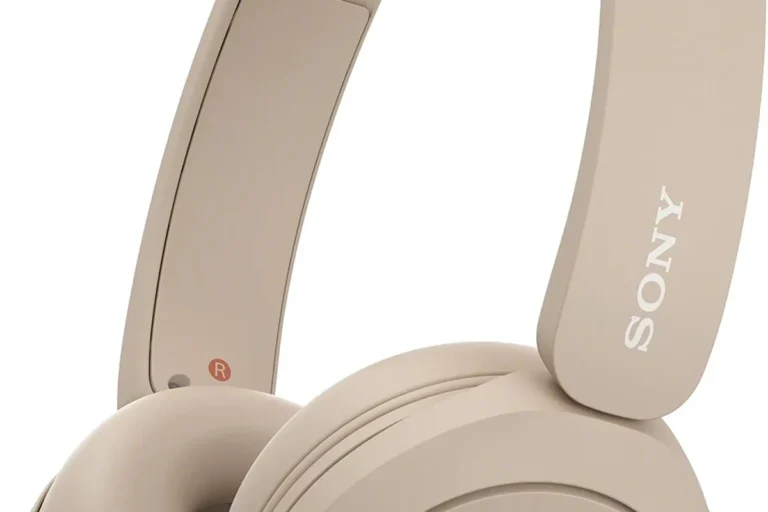
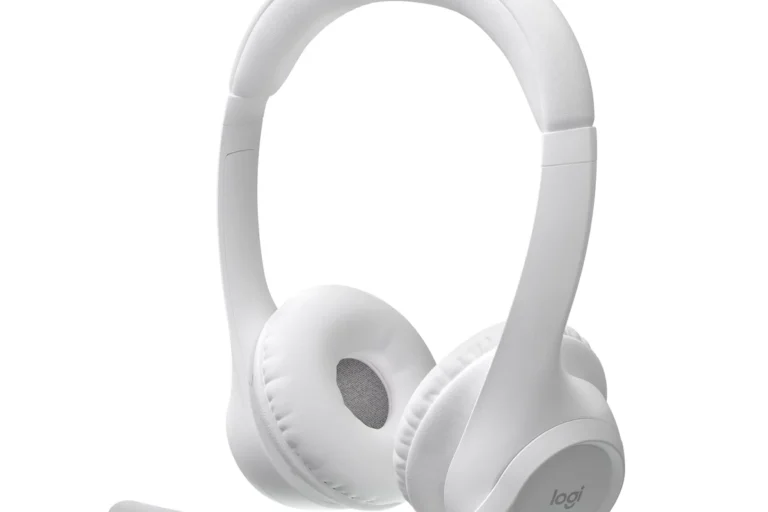
How To Choose Headphone Color: Find Your Perfect Match

Introduction
For shoppers in the United States, the best headphone color depends on where you will use the headphones, what you wear, how much care you want to give them, and how easily you want to spot dirt or damage. Color does not usually change sound quality. It does change style, visibility, cleaning needs, and how well the headphones fit your daily life.
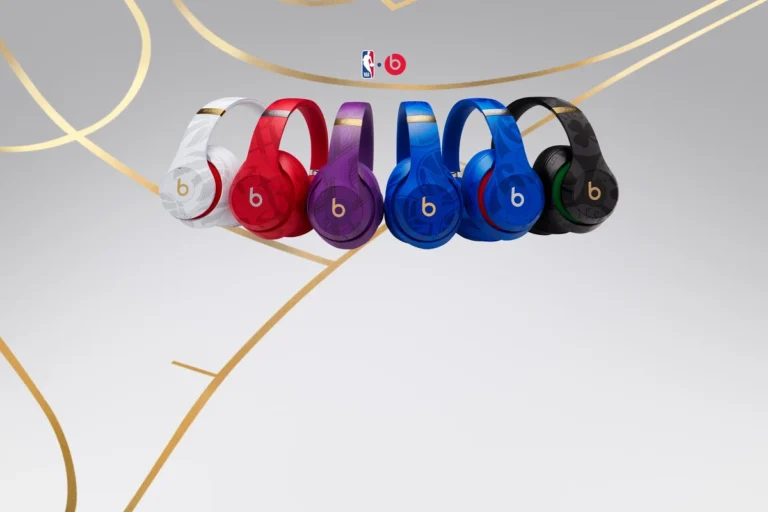
For most people, black is the safest all-purpose choice. White and light colors suit clean, simple styles but show marks more easily. Bold colors make headphones easier to identify and add a clear style statement. Transparent, metallic, and limited-edition finishes can look unique, but they may need more care and may be harder to replace.
The goal is not to find one “best” headphone color. It is to choose a color that fits your use, taste, clothing, care habits, and budget.

The Quick Answer: Which Headphone Color Should You Choose?
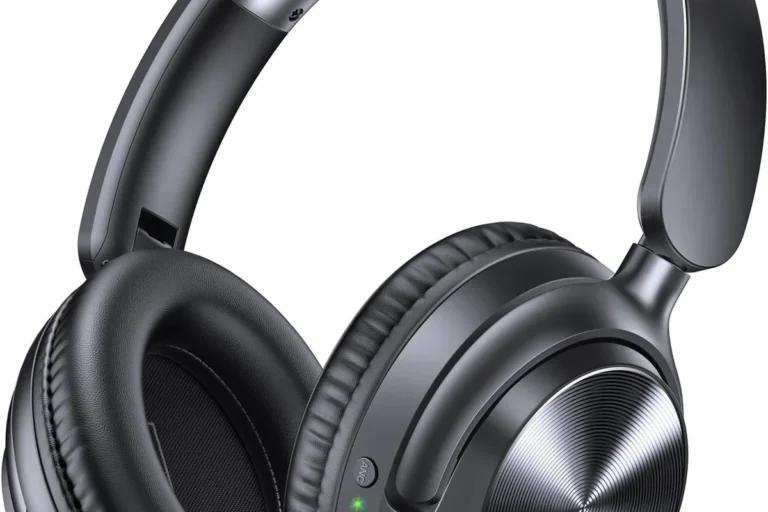
Choose black or dark gray if you want a low-risk, versatile color for work, travel, school, and daily use. Choose white, beige, or other light colors if you prefer a clean look and do not mind regular cleaning. Choose blue, green, red, pink, purple, or yellow if you want your headphones to stand out or match your personal style.
Use this simple guide:
| Your main goal | Good color choice | Why |
|---|---|---|
| One pair for nearly every setting | Black, gray, or navy | Easy to match and widely available |
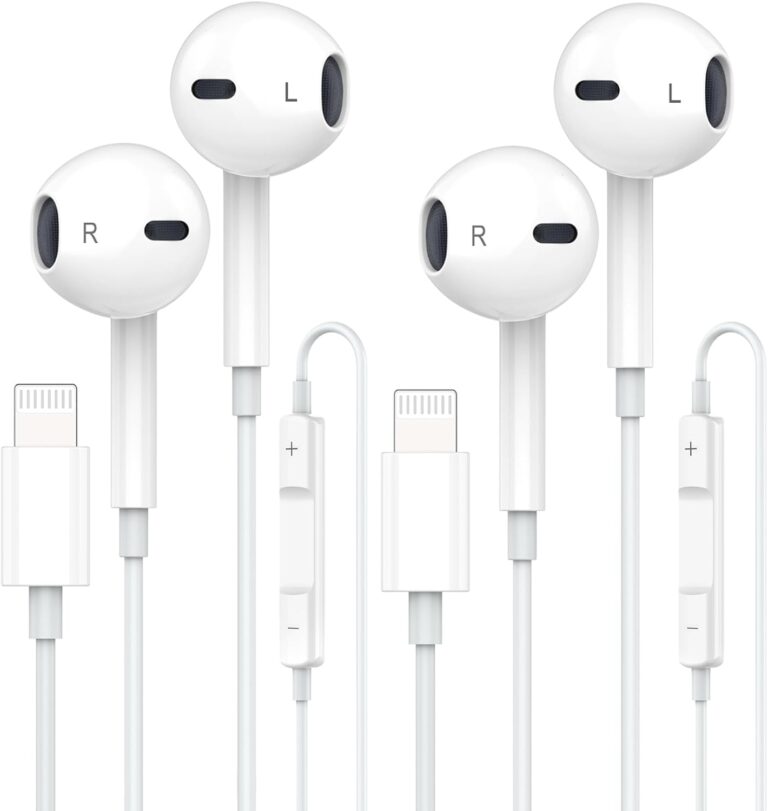
| A clean, modern look | White, cream, beige, or silver | Looks light and simple |
| Less visible dust | Medium gray, navy, or muted colors | Often hides small marks better than black |
| Easy to find in a bag | Red, yellow, orange, or bright blue | Stands out from dark items |
| A fashion statement | Pink, purple, green, blue, or metallic | Shows more personality |
| A professional appearance | Black, gray, navy, or brown | Looks quiet and formal |
| A gift for someone else | Black, gray, or their known favorite color | Safer when their style is unclear |
| Outdoor visibility | A bright color, when appropriate | Makes the headphones easier to identify |
Color should be the final filter, not the first. Start with fit, comfort, sound, battery life, controls, and device support. Then select the finish that you will enjoy wearing.
What to Consider Before Choosing a Headphone Color
Where will you use the headphones?
Your daily setting is the strongest clue. Headphones used in a school, office, gym, airport, or home may call for different colors.
A black or dark gray pair can look restrained in a workplace or business setting. A bright red or yellow pair may be better if you want to find them quickly in a crowded backpack. A light pair may look good at home but show more marks during a daily commute.
Think about your common settings:
- Office or work calls: black, gray, navy, or muted brown usually look neat.
- School or college: any color can work, but bright colors help you identify your pair.
- Travel: darker colors may hide small scuffs, while bright colors are easier to spot.
- Gym use: medium or dark colors can hide sweat marks, but cleaning matters more than color.
- Home listening: choose the color you enjoy seeing every day.
- Outdoor use: color can help others notice the headphones, but it does not make outdoor listening safe by itself.
What clothes and accessories do you wear?
Headphones sit near your face, hair, and upper body. Their color can act like a small accessory. Neutral colors match more outfits. Strong colors create contrast.
If most of your clothes are black, gray, white, denim, or earth tones, almost any headphone color will work. A bright pair can add contrast. A neutral pair can keep the look calm.
If you wear many bold colors, black, gray, cream, or navy may balance your outfit. You can also match the headphones to one small detail, such as your shoes, bag, watch, or phone case.
Do not feel forced to match every item. A controlled contrast often looks better than a perfect color match.
How much cleaning are you willing to do?
Light colors tend to show dark marks, skin oils, makeup, and stains. Dark glossy colors can show fingerprints, dust, and fine scratches. Matte finishes often reduce glare but can still collect oils.
Consider the headphone parts that touch your skin:
- Ear cups may collect oil, sweat, and hair products.
- Ear tips can show wax and dust.
- Headbands can pick up hair products and makeup.
- Touch controls may show fingerprints.
- Fabric or mesh parts can trap dust.
Color does not prevent buildup. A darker pair may only make some marks less visible. Clean headphones according to the manufacturer’s care instructions. Do not soak electronic parts or use harsh cleaners unless the product instructions allow them.
Will the color remain available?
Headphone colors can change by model, retailer, region, and production run. A special color may sell out before the standard black or white version. Replacement ear pads, cases, and matching accessories may also be easier to find for common colors.
This matters if you plan to keep the headphones for several years. A standard color can make it easier to find matching parts later. A limited color may be more appealing now, but it can be harder to replace.
Do you want the headphones to blend in or stand out?
Ask how visible you want the headphones to be. A neutral pair blends into your outfit. A bright pair becomes part of your look.
Blending in may suit work, formal travel, or quiet public spaces. Standing out may help you find the headphones in a shared home or crowded bag. It can also make the headphones feel more personal.
Neither choice is better. The right answer depends on whether you want the headphones to act like a quiet tool or a visible accessory.

How Different Headphone Colors Perform in Daily Use
Black headphones
Black is the most flexible choice. It works with most clothing and usually looks suitable at work, home, school, and while traveling.
Black can hide some stains and small marks. However, dust, lint, pet hair, and light scratches may be easy to see. Glossy black surfaces can also show fingerprints.
Choose black if you want:
- A safe, classic style
- Easy outfit matching
- A professional appearance
- A color that is often available
- A low chance of regretting the purchase
White and light-colored headphones
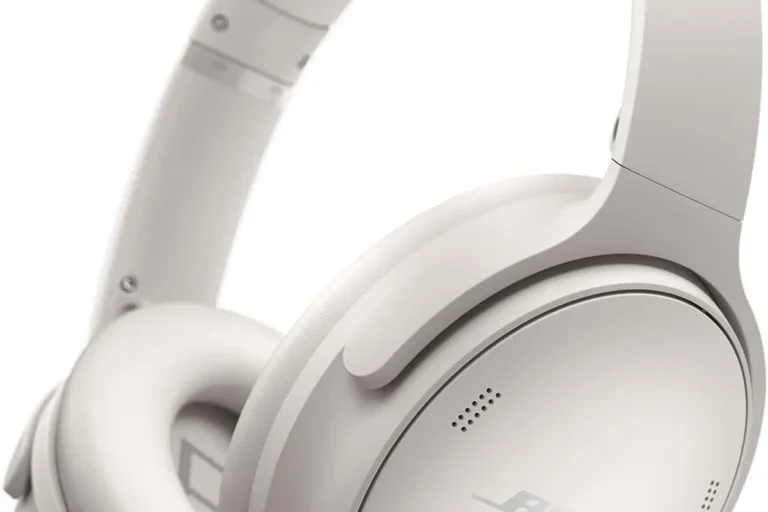
White, cream, beige, and light gray headphones create a clean and modern look. They can feel less heavy than dark headphones and may stand out against dark clothing.
The trade-off is visible wear. Light surfaces can show grime, denim transfer, makeup, and discoloration. Some plastics may change appearance with age, heat, sunlight, or contact with oils. The exact result depends on the material and finish.
Choose a light color if you:
- Like a bright, simple style
- Keep your headphones in a case
- Clean them often
- Want contrast with dark clothing
- Accept that wear may be easier to see
Gray and silver headphones
Gray is a useful middle ground. It is less stark than white and less heavy than black. Medium gray can hide both dust and small marks better than very dark or very light colors.
Silver may look polished and technical. Metallic finishes can show scratches or fingerprints, depending on the coating. Check product photos from several angles because metallic colors can look different under indoor and outdoor light.
Choose gray or silver if you want:
- A neutral color with more visual detail
- A balance between black and white
- A modern but not flashy appearance
- Better flexibility with casual and work clothing
Blue headphones
Blue ranges from quiet navy to bright cobalt. Navy offers the formality of black with a small change in style. Bright blue is easier to spot and creates more contrast.
Blue can work well with denim, gray, black, white, and many neutral colors. The best shade depends on your wardrobe and whether you prefer a soft or bold look.
Choose blue if you want a color that is personal but still easy to wear.
Red, orange, and yellow headphones
Warm colors are easy to notice. They can help you identify your headphones in a bag or shared space. They also make the headphones a visible part of your outfit.
Bright colors may feel less formal in some workplaces. They can also show scratches or surface wear when the damaged area contrasts with the original color. Muted red, rust, mustard, or dark orange may offer a quieter version of the same idea.
Choose a warm color if visibility and personal style matter more than a low-profile appearance.
Green, purple, and pink headphones
These colors often signal a stronger style choice. They can make a common device feel more personal and may suit people who want something different from black, white, or gray.
Muted versions are easier to pair with many outfits. Bright versions draw more attention. Consider whether you expect to keep the headphones for years. A color that feels exciting today should still feel comfortable to wear later.
Choose these colors when you already know the shade fits your taste or wardrobe.
Transparent and translucent headphones
Transparent finishes show part of the product’s inner design. They can look distinctive and often appeal to buyers who want a technical or unusual style.
They also make internal dust, discoloration, or changes in the material easier to notice. Clear plastic may change appearance over time due to use and exposure. Do not assume that a transparent finish is more durable than an opaque one.
Choose transparent headphones for their design, not because they promise better sound or build quality.

How to Match Headphone Color to Your Personal Style
The easiest way to match headphone color is to identify your usual style, not to copy a trend.
Minimal or classic style
Choose black, gray, white, navy, beige, or silver. These colors create a quiet look and work with many outfits.
A matte finish may suit a simple style better than a bright gloss. It can also reduce reflections in photos and under office lighting.
Streetwear or bold style
Bright blue, red, green, yellow, purple, or pink can add contrast. You can match the headphones with one clothing detail rather than your entire outfit.
Large over-ear headphones already have a strong visual presence. A bold color makes that presence stronger. If you want the shape to feel less noticeable, use a neutral color.
Outdoor or active style
Dark gray, navy, green, orange, and red often fit casual outdoor clothing. Bright colors may make the headphones easier to find in a car, gym locker, or backpack.
Color does not replace water resistance, secure fit, or safe listening habits. Check the product’s stated protection rating and care limits before using it near water or heavy sweat.
Professional style
Black, gray, navy, brown, and muted metallic colors are usually the safest choices for meetings and office use. They look less distracting on video calls and blend with formal clothing.
A neutral color does not guarantee a professional appearance. Clean ear cups, an intact headband, and a tidy cable or charging case also matter.
Expressive or trend-focused style
Choose the color that makes you want to wear the headphones. This can matter more than whether the color is currently popular.
Trends change faster than headphones. If you plan to use one pair for several years, choose a shade you already like rather than one that only looks appealing because it is new.

How to Choose Headphone Color for Work, Travel, and Exercise
For office work and video calls
Neutral colors are the least distracting choice. Black, gray, navy, and silver usually fit a wide range of workplaces.
Also consider the camera view. A bright color can draw attention to your face and head. That may be useful for personal style, but it may not suit every meeting.
For shared offices, avoid assuming that black is always cleaner. Dust and lint can show clearly on black ear cups. A medium gray pair may offer a better balance.
For travel in the United States
Travel headphones spend time in bags, airplane seats, cars, and public spaces. A darker or medium-tone color can hide minor scuffs. A bright color can help you find the headphones quickly among other belongings.
Use a case when possible. The case protects the finish better than a color choice does. If you travel often, also check the folding design, hinge strength, battery needs, and comfort during long listening sessions.
For school and college
A distinct color can help prevent mix-ups. This is useful when many people carry similar black headphones.
You can also add a removable case, tag, or small approved accessory. Avoid covering microphones, vents, buttons, charging ports, or sensors. A unique color helps, but labeling the case may provide an even clearer way to identify your pair.
For workouts
Sweat, skin oils, and friction matter more than color. Choose a color you can clean and inspect with ease.
Look for removable ear tips or washable parts only when the manufacturer permits it. Do not use headphones in water unless they are designed and rated for that use. Water resistance does not always mean the headphones can handle swimming, showers, or submersion.
For outdoor walking and commuting
Bright colors may make the headphones easier to identify. They do not guarantee that drivers, cyclists, or other people will see you.
Keep enough awareness of your surroundings for the setting. Follow local rules and the product instructions. If you need to hear traffic, alerts, or other people, use an appropriate listening mode or avoid headphones in that situation.

Headphone Color, Material, Finish, and Maintenance
Color is only one part of the appearance. The material and surface finish can change how that color looks and ages.
Matte versus glossy finishes
A matte finish usually reflects less light and may hide fingerprints better than a glossy finish. It can still collect oils and may show rubbing or scuffs.
Glossy finishes can look rich and bright. They often show fingerprints, dust, and fine scratches more clearly. Wipe them with a soft, dry cloth unless the manual gives different instructions.
Leather, plastic, metal, and fabric parts
Headphones can use several materials at once. The color may look different on plastic, metal, synthetic leather, and fabric.
Synthetic leather ear cushions may darken or crack with use. Fabric can collect dust and skin oils. Metal surfaces may show scratches through a coating. These are material issues, not simply color issues.
Read the care guide for the exact model. Do not use alcohol, bleach, abrasive pads, or strong household cleaners unless the manufacturer approves them for that surface.
How to clean colored headphones
Before cleaning:
- Disconnect or power off the headphones.
- Remove the charging cable.
- Check the product manual.
- Use a soft, dry cloth first.
- Keep liquid away from openings, microphones, charging ports, and controls.
If the manual allows a damp cloth, use very little moisture. Do not spray cleaner directly on the headphones. Let all parts dry fully before charging or using them.
Clean ear tips and cushions on a regular schedule based on use. Heavy exercise, shared use, and makeup can increase the need for cleaning.

A Simple Headphone Color Decision Method
Use this four-step method before you buy.
Step 1: Rank your main use
Choose your most common setting:
- Work
- Travel
- School
- Exercise
- Home
- Outdoor commuting
- Gaming or streaming
If one pair must serve many settings, choose a flexible neutral color.
Step 2: Decide how visible you want the headphones to be
Select one:
- Blend in: black, gray, navy, beige, or silver
- Balance style and flexibility: blue, green, brown, muted red, or medium gray
- Stand out: bright red, yellow, orange, pink, purple, or bright blue
Step 3: Match your care habits
If you rarely clean your headphones, avoid finishes that show marks quickly. If you keep them in a case and clean them often, you have more freedom to choose a light or glossy color.
Step 4: Check the real product photos and return terms
Colors can look different on a phone, tablet, or computer screen. Look for photos in natural light when available. Confirm the exact color name and return policy before ordering.
This matters because “silver,” “cream,” “sand,” “rose,” and “midnight” can mean different shades across brands. The product name alone may not tell you how the finish looks.

Common Mistakes When Choosing Headphone Color
Choosing color before comfort
A beautiful pair that hurts after 20 minutes is still a poor choice. Check weight, ear cup size, clamp force, headband shape, and ear tip options first.
Assuming dark colors never show dirt
Black can hide some stains, but it often shows lint, dust, pet hair, and fingerprints. No color removes the need for cleaning.
Treating color as proof of quality
A limited-edition color does not prove better sound, stronger hinges, longer battery life, or better noise cancellation. Judge those features from the specifications, independent measurements, product documentation, and return terms.
Ignoring replacement parts
Before choosing an unusual finish, check whether replacement ear pads, cases, or cables are available. A rare color may be harder to match later.
Buying a bright color only because it is trendy
Headphones may last for years. Ask whether you would still wear the color after the trend fades.
Using color as a safety guarantee
Bright headphones may be easier to identify, but they may not make you visible to drivers or protect you from traffic. Use safe listening habits and stay aware of your surroundings.

Frequently Asked Questions About Choosing Headphone Color
Does headphone color affect sound quality?
Usually, no. Color itself does not determine sound quality. Sound depends on the drivers, tuning, fit, seal, software, connection, and listening source. Different colors of the same model are generally designed to have the same core performance, but confirm the specifications if the colors are sold as separate versions.
Are white or black headphones easier to keep clean?
Neither color is always easier to keep clean. White can show dark marks, makeup, and discoloration. Black can show dust, lint, fingerprints, and light scratches. The material and finish often matter as much as the color.
What is the best headphone color for work?
Black, gray, navy, and muted metallic colors are usually flexible choices for work. Choose a color that fits your workplace and does not distract you or others during meetings.
What color is best for children or teenagers?
A clear, distinct color can make the headphones easier to identify. Choose based on the child’s preference, fit, volume controls, durability, and ease of cleaning. Color should not replace safe volume settings or adult supervision when needed.
Should I choose a bright color for outdoor use?
A bright color can make the headphones easier to find and may help people identify them. It does not guarantee visibility or safety around roads, bikes, or machinery. Consider awareness of your surroundings and the listening mode as well.
Do headphones fade or change color over time?
Some materials and finishes may change with heat, sunlight, skin oils, cleaning products, or general wear. The risk depends on the product. Store headphones away from direct sun and follow the care instructions.

Conclusion
The best headphone color is the one that fits your daily use and that you will want to wear for a long time. Choose black, gray, or navy for maximum flexibility. Choose white or beige for a clean look if you accept more visible marks. Choose a bright or unusual color when easy identification and personal style matter most.
Make the final choice only after checking comfort, sound, battery life, controls, fit, care instructions, and replacement support. Then select the color that feels right for your clothes, routine, and care habits.