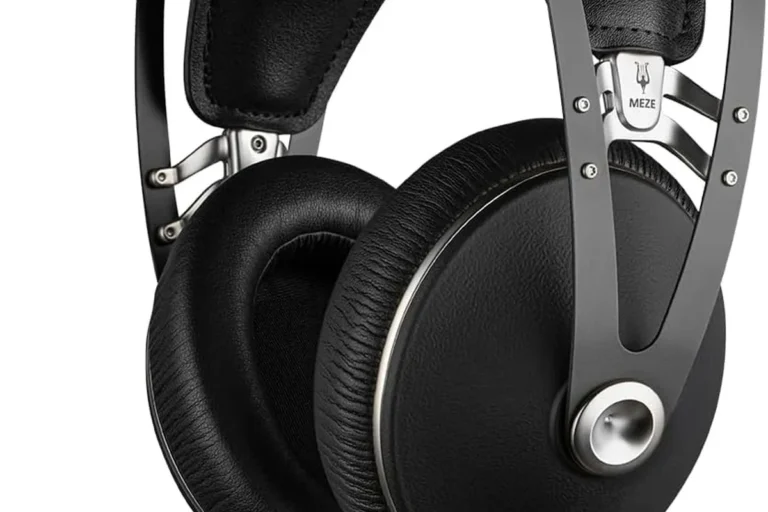
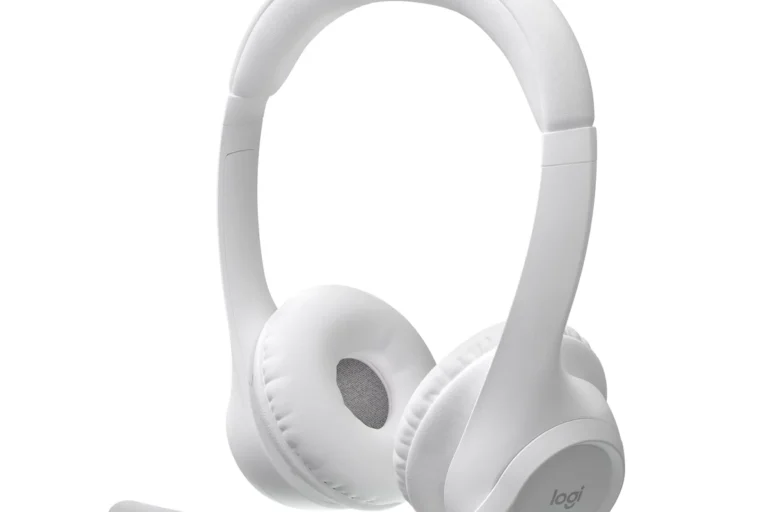
Nintendo Switch Headset with Mic

A Nintendo Switch headset with mic works best when the connection method matches your play style and the microphone is clear enough for chat. For most buyers, a comfortable wired headset is the easiest and most dependable choice.
A good nintendo switch headset with mic should make game audio easy to hear, keep voice chat clear, and stay comfortable through long play sessions. The best choice depends on whether you mostly play handheld, docked, or online with friends, because the Switch handles wired and wireless audio a little differently.
- Best starting point: Wired 3.5mm headsets are usually the simplest and most compatible option for Switch players.
- Mic matters: A boom mic with mute control is often clearer and easier to manage than.
- Comfort counts: Soft pads, moderate clamp force, and a light design matter during long handheld or.
- Wireless needs checking: Not every wireless headset handles Switch voice chat the same way, so confirm compatibility.
- Safety first: Keep volume moderate, take breaks, and avoid damaged charging cables or overheating batteries.
Nintendo Switch Headset with Mic: Best Options for Clear Chat, Comfortable Play, and Reliable Game Audio
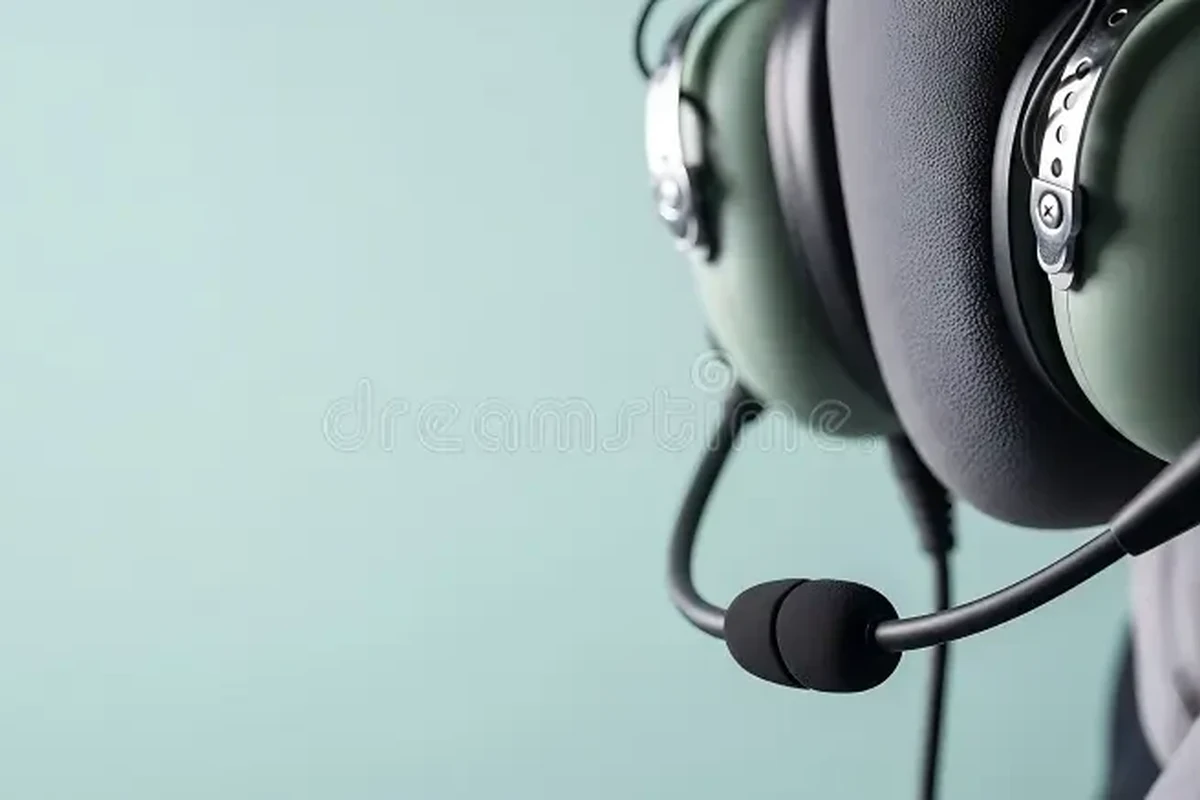
For most Switch players, the “best” headset is the one that matches your setup first and your sound preferences second. If you want the simplest path, a wired headset with a built-in microphone is usually the least complicated option; if you want more freedom, wireless can work well, but you should confirm chat support and connection method before buying.
This guide focuses on the practical differences that matter on Nintendo Switch: mic compatibility, comfort, latency, and how the headset fits your play style.
What a Nintendo Switch Headset with Mic Is and Who It’s Best For
A Nintendo Switch headset with mic is simply a headset that combines headphones for game audio with a microphone for speaking during multiplayer, party chat, or in-game communication. On the Switch, that can mean a standard 3.5mm wired headset, a USB headset used through the dock, or a wireless model that connects through Bluetooth or a USB dongle, depending on the accessory and game.
Ideal use cases: handheld play, docked gaming, online multiplayer, and family-friendly setups
Handheld players usually benefit most from a lightweight wired headset because it is straightforward and does not require extra charging steps. Docked players may prefer USB or dongle-based wireless options for a cleaner desk or couch setup, while families often value easy mute controls and a mic that is simple to turn off when kids are playing around others.
If you are still figuring out how the console handles audio accessories, it can help to first review how to connect headphones to Nintendo Switch easily. That broader setup knowledge makes it easier to understand why some headsets behave better than others.
Why mic quality matters for Switch players in 2026
Mic quality matters because many multiplayer games are more enjoyable when teammates can hear you clearly without you shouting or repeating yourself. In 2026, that is especially relevant for players who split time between handheld sessions, family rooms, and online matches, where background noise and room echo can make weak microphones hard to use.
It also matters because not every headset mic sounds the same. A boom mic placed closer to your mouth usually captures speech more consistently than a tiny inline mic on the cable, especially when the room is noisy or you are playing from the couch.
How to Choose the Right Nintendo Switch Headset with Mic
Start with compatibility, then narrow the field by comfort and sound. A headset can look great on paper, but if it is awkward to connect, too tight on your head, or unclear in chat, it will not feel like a good value for Switch use.
Wired vs. wireless: latency, compatibility, and convenience
Wired headsets are usually the safest bet because they are simple, broadly compatible, and do not depend on battery life. They also tend to avoid latency, which is the delay between the game and what you hear. That delay is small on many wireless models, but some players notice it, especially in rhythm games or fast competitive play.
Wireless headsets are more convenient if you dislike cables, but the Switch’s support can be more complicated than people expect. If you want a deeper breakdown of that compatibility, see can Switch connect to Bluetooth headphones and connect wireless headphones to Switch. Those guides explain why connection method matters as much as the headset itself.
Sound quality priorities: game audio, voice chat clarity, and balanced tuning
For gaming, “balanced tuning” usually means the headset does not overdo bass so much that footsteps, dialogue, or menu sounds get buried. A headset with clear mids can make voices and in-game cues easier to follow, while a little extra bass can help explosions and soundtrack moments feel fuller without becoming muddy.
Voice chat clarity is just as important as game audio. If the microphone is too thin, too sensitive, or poorly positioned, your teammates may hear hiss, room noise, or distorted speech even if the headphones themselves sound fine.
Comfort and fit: ear cup style, headband pressure, and long-session wear
Comfort is one of the biggest long-term differences between headsets. Over-ear cups usually feel more immersive and can help with passive noise isolation, while on-ear designs are often lighter but may create pressure sooner during long sessions.
If you play in hour-long or longer sessions, look for a headset with adjustable headband sizing, soft ear pads, and a mic that stays where you place it without drifting downward.
Headband clamp force matters too. Too loose, and the headset can slide; too tight, and it can create fatigue around the jaw or temples. If possible, choose a model known for a forgiving fit rather than one that relies on a very firm clamp for stability.
Build materials, durability, and portability for daily use
For daily gaming, the best build is usually the one that handles repeated plugging, unplugging, folding, and storage without feeling fragile. Metal reinforcement can help in stress points, but strong plastic designs can also be perfectly suitable if the hinges and cable strain relief are well made.
Portability matters for Switch more than for many other consoles because the system is often moved between rooms, bags, and docks. If you travel with your headset, look for fold-flat ear cups, a detachable cable, or a compact wireless dongle that is easy to keep with the console.
Budget ranges and what features are worth paying for
Budget headsets can be a smart buy if they give you a decent mic, comfortable pads, and reliable wired connectivity. As you move up in price, you are generally paying for better materials, more refined sound, improved mic monitoring or mute controls, and in some cases stronger wireless convenience.
Do not pay for features you will not use. If you only play handheld at home, a premium wireless feature set may be less valuable than a comfortable wired headset with a clear mic and a durable cable.
Top Features That Make a Switch Headset Stand Out
The best Nintendo Switch headset with mic usually gets the basics right first, then adds convenience. Look for features that reduce friction during setup and improve chat quality without making the headset harder to use.
Microphone performance: noise rejection, boom mic design, and mute controls
Noise rejection is the mic’s ability to reduce background sounds like fans, keyboard taps, or TV noise. A boom mic, which sits on a small adjustable arm near your mouth, often performs better than a fixed mic because it captures speech more directly.
Mute controls are also worth prioritizing. Inline mute switches, flip-to-mute booms, or easy-access buttons make it much simpler to pause chat when someone walks into the room or you need a quick break.
Mic behavior can vary by game, firmware, and accessory type. Always confirm whether the headset’s microphone is supported the way you expect on the specific Switch setup you plan to use.
Connectivity options: USB-C, 3.5mm, Bluetooth workarounds, and dongles
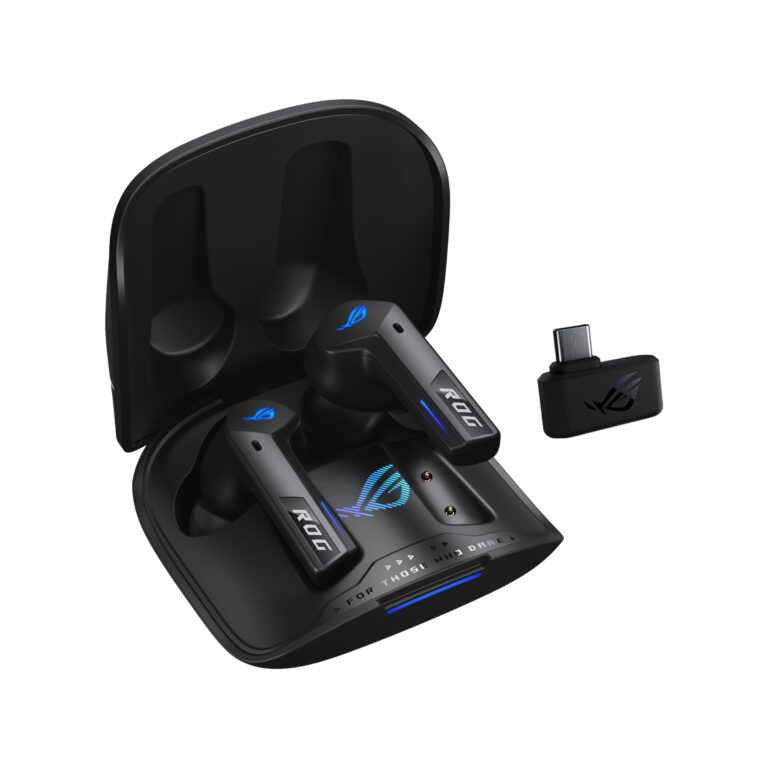
The 3.5mm jack is the most straightforward connection for many players because it is simple and widely supported. USB-C accessories can be useful in handheld mode, while USB headsets and wireless dongles are often more practical when the console is docked.
Bluetooth can be convenient, but it is not always the best answer for voice chat. If you want more detail on the connection trade-offs, the guides on connecting Bluetooth headphones to Nintendo Switch and whether Nintendo Switch can connect to Bluetooth headphones are useful references.
Battery life, charging habits, and low-lag wireless performance
Wireless headsets are only convenient if they are easy to keep charged. Battery life claims vary by model and region, so check the manufacturer’s current specifications before buying, especially if you play long sessions or travel often.
Use manufacturer-approved charging methods, avoid damaged cables, and do not charge a headset that is overheating, cracked, or swollen. If anything looks abnormal, stop using it and follow the brand’s safety guidance.
Low-lag wireless performance also matters because delayed audio can make fast games feel less responsive. If you are sensitive to delay, wireless models with a dedicated USB dongle often make more sense than basic Bluetooth-only options.
Extra conveniences: inline controls, fold-flat design, detachable cables, and app support
Small convenience features can make a headset feel much easier to live with. Inline volume controls, fold-flat ear cups, detachable microphones, and removable cables all help with storage, travel, and daily wear.
App support can be helpful on some models, but it is not essential for Switch use. In many cases, a simple physical control layout is easier to manage than software-heavy features you will rarely open.
Real-World Benefits and Limitations of Using a Headset with Mic on Nintendo Switch
A headset with mic can make the Switch feel more social, more focused, and less disruptive to everyone else in the room. But the experience depends heavily on the game, the accessory, and how the console is connected.
Benefits for communication, immersion, and couch co-op
The biggest benefit is clearer communication. That helps in online team games, family co-op, and any title where callouts, strategy, or quick reactions matter.
Headsets also improve immersion by keeping game audio close to your ears, which can make dialogue and environmental sounds easier to follow at lower room volumes. For couch co-op, that can mean less TV noise bleeding into the room and fewer complaints from people nearby.
Common limitations: game/chat compatibility, mic routing, and platform-specific quirks
Not every headset works the same way across every Switch game. Some titles handle voice chat through the game itself, while others rely on external apps or platform-specific accessories, so the mic may not behave exactly how you expect.
Mic routing can also be confusing. A headset may pass audio fine but not route voice chat the same way, or the console may need a specific setting, adapter, or docked connection to recognize the microphone properly.
Evidence limits and what can vary by game, firmware, or accessory setup
Because no single headset behaves identically in every setup, it is smart to treat manufacturer claims as a starting point rather than a guarantee. Firmware updates, game patches, region differences, and even dock accessories can change how well a headset works.
Some Switch audio behavior changes depending on whether you are in handheld mode or docked mode, which is why a headset that works perfectly in one setup may need a different connection in another.
Setup Guide: How to Connect and Use a Nintendo Switch Headset with Mic
The easiest setup is the one that matches your play mode. Before troubleshooting, confirm whether you are using handheld, docked, or wireless-dongle audio, because each path has different strengths.
Handheld mode setup with 3.5mm or USB-C accessories
For handheld play, the simplest option is usually a 3.5mm headset plugged directly into the console. Some USB-C accessories may also work in handheld mode, but compatibility should be checked carefully because not every accessory is supported the same way.
Connect the 3.5mm plug fully or attach the USB-C accessory according to the manufacturer’s instructions.
Start a game or system sound test and confirm that both left and right channels play correctly.
Enter a voice-chat-capable game or app and make sure your voice is being picked up clearly.
Docked mode setup with USB and headset adapters
Docked mode often works best with USB headsets or a wireless dongle plugged into the dock. If you are using an adapter, make sure it is designed for your headset and for the Switch setup you intend to use.
Docked setups can be especially useful if you want to sit farther from the screen or use the headset across a room. Just remember that every adapter adds another possible point of incompatibility, so keep the setup as simple as possible.
Quick checks for mic input, volume balance, and party chat readiness
If the audio seems off, check three things first: whether the headset is fully connected, whether the mic is unmuted, and whether the game or console is set to the correct input source. If the game audio is too loud relative to voice chat, lower the system volume before raising the headset volume too far.
- Confirm the headset connection type matches handheld or docked play.
- Check whether the microphone works with the specific game or chat method you plan to use.
- Review the return policy in case the fit, mic, or compatibility does not meet expectations.
Common Mistakes to Avoid When Buying or Using a Switch Headset
Most buyer frustration comes from assuming one headset feature will solve every problem. On Switch, the details matter more than the marketing language.
Assuming all wireless headsets support Switch voice chat equally
Wireless does not automatically mean fully compatible. Some models are excellent for game audio but less reliable for voice chat, especially if they depend on Bluetooth behavior that varies by firmware or accessory path.
Overlooking comfort, clamp force, and mic placement
A headset can sound good and still be a poor fit if it presses too hard or if the microphone sits too far from your mouth. Comfort and mic placement are especially important for players who wear a headset for long sessions or who share the room with others.
Ignoring cable quality, adapter needs, and firmware updates
Cheap cables and loose adapters can create intermittent audio problems that are hard to diagnose. Firmware updates can also matter on some wireless models, so it is worth checking the manufacturer’s support page if the headset starts acting differently after a console update.
- Match the headset connection type to your main play mode.
- Keep the microphone close enough for clear speech without touching your face.
- Check manufacturer support pages for setup notes and updates.
- Buying a wireless headset without confirming chat support.
- Using bent, frayed, or overheating charging gear.
- Forcing an adapter or cable that does not fit properly.
Safety, Care, and Long-Term Value
A headset should be easy to enjoy for a long time, not just easy to buy. Good care habits help protect the headset, and safe listening habits help protect the listener.
Safe listening habits and volume management for younger players
Keep volume at a moderate level and take breaks during long sessions. Health authorities such as the World Health Organization recommend cautious listening habits because prolonged loud audio can contribute to hearing damage over time.
For younger players, it is especially smart to use any built-in volume limits or parental controls the device or headset provides. If listening ever causes ringing, discomfort, or muffled hearing, lower the volume and consider speaking with a hearing professional.
Cleaning ear pads, mic boom, and headband materials
Ear pads collect skin oils, dust, and sweat, so wipe them gently with a soft, dry or slightly damp cloth according to the manufacturer’s care guidance. The mic boom can also gather grime, so keep it clean and dry to help preserve both hygiene and performance.
Avoid harsh cleaners unless the brand specifically approves them. Strong chemicals can damage synthetic leather, foam, and coatings faster than normal wear would.
Storage, charging, and maintenance tips to extend headset lifespan
Store the headset in a cool, dry place and avoid leaving it in hot cars, direct sun, or cramped bags where the cable can bend sharply. If the headset is wireless, charge it with the recommended cable and charger whenever possible, and unplug it once it is fully charged if the manufacturer advises that practice.
Stop using any charging cable, battery, or unit that is frayed, swollen, cracked, or overheating, and follow the manufacturer’s safety guidance.
Final Recommendation: Which Nintendo Switch Headset with Mic Is the Best Fit for Your Play Style
The best Nintendo Switch headset with mic is the one that fits your main use case with the fewest compromises. For budget buyers, a comfortable wired headset is usually the safest value; for online competitors, a low-latency setup with a clear boom mic is the priority; for families, easy mute controls and simple plug-and-play use matter most; and for portable gamers, lightweight construction and easy storage are hard to beat.
Choose a wired headset with a dependable mic and comfortable pads. It is usually the easiest way to get clear chat without paying for wireless extras you may not need.
Choose a headset with a boom mic, good noise rejection, and a connection method that keeps lag low. This is the better choice if voice clarity matters more than absolute simplicity.
Before you buy, confirm the current specs, compatibility notes, and warranty details on the manufacturer’s site, since availability and feature support can change by model and region. If you want the simplest recommendation, go wired; if you want convenience, go wireless only after you verify how it handles Switch chat in your exact setup.
Common Questions
Usually, yes, if you want the simplest setup and the fewest compatibility issues. Wired headsets are often the easiest choice for handheld play.
No. Support can vary by game, console mode, and connection type, so confirm the headset works with your specific setup.
A boom mic is usually the most practical choice because it sits closer to your mouth. That often helps speech sound clearer in noisy rooms.
Sometimes, but Bluetooth can be less straightforward than wired or dongle-based options. Check compatibility before relying on it for voice chat.
Focus on the ear pads, headband, and microphone boom. Gentle cleaning helps the headset stay comfortable and hygienic.
Frequently Asked Questions
A wired headset with a 3.5mm connection is usually the simplest and most reliable choice. It is often the easiest option for handheld play and does not require charging.
Look for clear voice pickup, decent noise rejection, and an easy mute control. A boom mic is usually better than a tiny inline mic for gaming chat.
They can be, but compatibility varies by model and connection method. Always confirm how the headset handles Switch audio and voice chat before buying.
Choose soft ear pads, a balanced headband, and moderate clamp force. A lighter fit usually feels better during extended play.
Wipe the ear pads and mic boom gently, store the headset in a cool dry place, and avoid damaged charging gear. Follow the manufacturer’s care instructions for the safest results.
Check connection type, chat compatibility, comfort, warranty, and return policy. Specs and availability can change by model or region, so confirm the latest details first.