How Long Do Sennheiser Headphones Last: Lifespan Guide

For most people in the United States, Sennheiser headphones can last about 2 to 5 years with normal care. Some wired models may last much longer because they have fewer electronic parts. Wireless models can also last for years, but their built-in battery may become the main limit.
The exact life span depends on the model, use, storage, sweat exposure, charging habits, and whether replacement parts are available. A premium Sennheiser headphone may still sound good after five years, while a heavily used wireless model may need battery service sooner.

Quick answer: What is the average life of Sennheiser headphones?
A realistic range is:
| Sennheiser headphone type | Common useful life | Main limit |
|---|---|---|
| Wired over-ear headphones | 3–8 years or more | Cable, ear pads, hinges, and drivers |
| Wired in-ear headphones | 2–5 years | Cable damage, moisture, and blocked sound openings |
| Wireless over-ear headphones | 2–5 years | Built-in battery and charging parts |
| True wireless earbuds | 2–4 years | Small batteries and charging case |
| Professional studio headphones | 5–10 years or more | Wear parts and rough handling |
These are practical ranges, not guarantees. Sennheiser does not promise that every headphone will last for a set number of years. A lightly used pair stored in a dry room may last far longer than a daily-use pair carried loose in a backpack.
The biggest difference is simple: wired headphones can keep working without a battery, but wireless headphones cannot avoid battery aging.
What affects how long Sennheiser headphones last?
The model and its parts have the greatest effect on service life. Use and care then decide how quickly those parts wear out.
1. Battery age
Wireless Sennheiser headphones use rechargeable lithium-ion batteries. These batteries slowly lose capacity after repeated charge cycles and over time.
A battery may still work after several years, but its play time can fall. You may notice that:
- The battery runs out much faster.
- The headphones shut down during use.
- The battery level drops in large jumps.
- The headphones charge only when the cable is held at a certain angle.
- The headphones work well with a cable but not over Bluetooth.
A weak battery does not always mean the headphones are unsafe or useless. It does mean the battery may need professional replacement. Do not open a lithium-ion battery pack unless you have the correct tools and training.
2. Hinges and moving parts
Folding hinges, sliders, and swivel joints receive repeated stress. They can crack if you force them, fold them while wearing them, or store them under heavy items.
Over-ear headphones often fail at the hinge before the speaker driver fails. This is why a hard case can help more than a soft pouch.
3. Ear pads and headbands
Ear pads are wear parts. Skin oil, sweat, heat, and friction can flatten or split the covering. Worn pads can also change the fit and sound.
A damaged pad does not always mean the headphone is finished. Many Sennheiser models use removable pads. Replacement availability varies by model and region, so check the exact model on Sennheiser’s official spare-parts and accessories pages.
4. Cable and plug damage
On wired models, the cable and plug are common failure points. Bending the cable sharply near the plug can break the small wires inside.
A removable cable can extend the life of a headphone. If the cable is fixed, repair may be harder and may cost more than the headphone is worth.
5. Moisture, sweat, and dust
Most consumer headphones are not designed for heavy water exposure unless the product listing gives a clear water-resistance rating. Sweat can enter earbud openings, buttons, charging contacts, and microphones.
Avoid using non-sport headphones in heavy rain or during very sweaty workouts. Let damp headphones dry fully before placing them in a case or charging them.
6. Daily use and storage
A person who uses headphones for two hours each day places less strain on them than someone who uses them for ten hours, travels with them, and charges them several times a week.
Good storage helps prevent:
- Cable bends
- Hinge cracks
- Dust in charging ports
- Accidental drops
- Pressure on the ear cups
- Heat damage inside a car

How long do wired Sennheiser headphones last?
Wired Sennheiser headphones often last longer than wireless models because they do not depend on a built-in battery, Bluetooth radio, or charging circuit.
A well-kept wired over-ear model may work for five years or more. Some professional headphones can last for a decade when users replace pads, cables, or other wear parts.
The drivers—the small parts that create sound—are often not the first parts to fail. The cable, plug, pads, and hinges usually face more daily stress.
Signs a wired pair may still be worth repairing
Repair may make sense when:
- Only the cable is damaged.
- One ear stops working after the cable moves.
- The ear pads are worn but the frame is sound.
- The plug has visible damage.
- The headphone has a replaceable cable.
- The sound is clear when the cable is held still.
Try a different source and cable first. A bad phone adapter, computer port, or removable cable can look like a failed headphone.
Signs replacement may be more practical
Replacement may make more sense when:
- The frame has several cracks.
- The drivers are damaged.
- Parts are no longer available.
- Repair costs approach the price of a new pair.
- The headphone has severe water damage.
- Both channels fail after testing another source and cable.
Do not assume a silent ear cup means the driver is dead. Check the source, balance settings, plug, cable, and adapter before discarding the headphone.
How long do wireless Sennheiser headphones last?
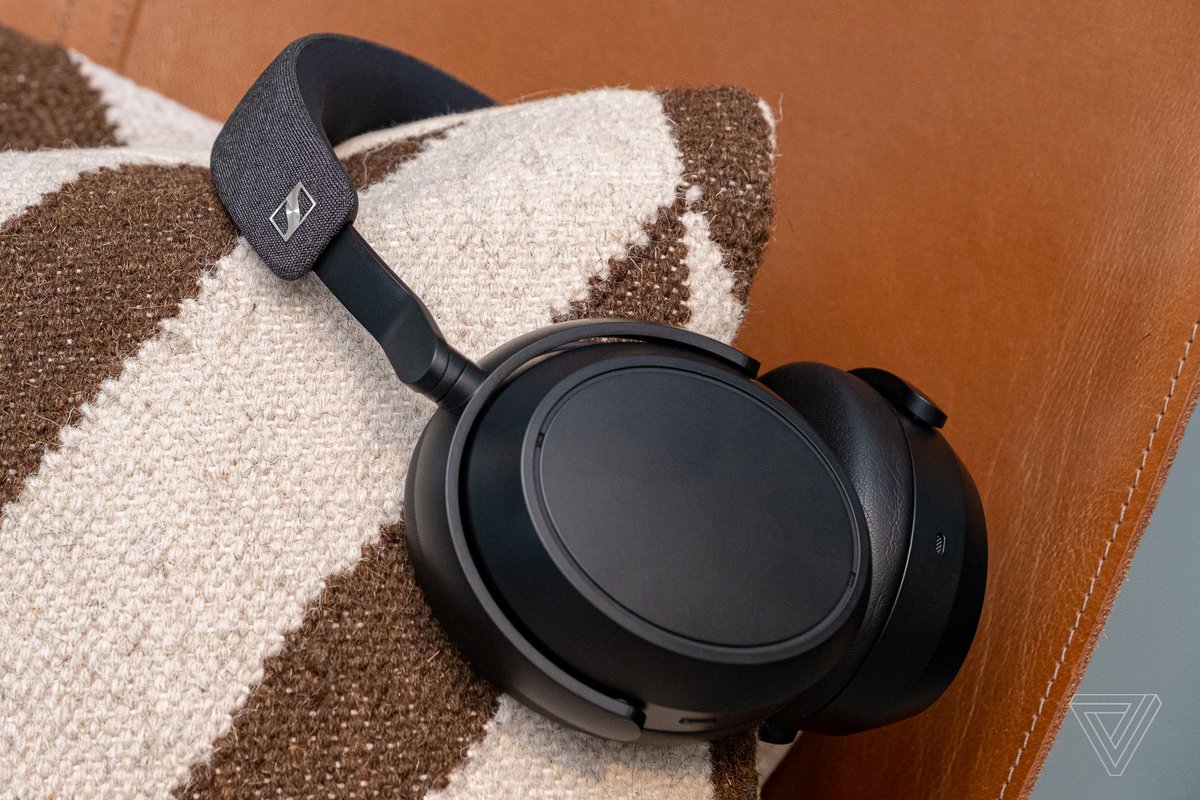
Wireless Sennheiser headphones commonly provide 2 to 5 years of useful service. The battery often determines the end of normal wireless use.
The electronics may remain in good condition while the battery loses capacity. A wireless headphone can therefore appear “old” even when its speakers, controls, and Bluetooth system still work.
What shortens wireless headphone life?
The main causes include:
- Frequent full charge and discharge cycles
- High heat
- Long storage at zero charge
- Drops and pressure on the ear cups
- Sweat and moisture
- Damaged USB-C ports
- Firmware or connection problems mistaken for hardware failure
Heat is especially hard on rechargeable batteries. Do not leave headphones on a sunny dashboard or in a hot car.
Can a Sennheiser battery be replaced?
Some Sennheiser wireless headphones may be serviceable through an authorized repair center. The process depends on the exact model, country, warranty status, and available parts.
Check the model number before ordering a battery. A model name such as “MOMENTUM” may cover several versions with different parts. Use Sennheiser’s support and repair resources rather than relying on a battery sold for a similar-looking model.
If the battery is swollen, hot, cracked, leaking, or producing a chemical smell, stop using and charging the headphones. Keep them away from heat and flammable items, and contact the manufacturer or a qualified electronics service provider.

How long do Sennheiser earbuds last?
Sennheiser true wireless earbuds often last about 2 to 4 years, although some fail sooner and some last longer.
Their smaller batteries face more stress than the larger batteries in over-ear headphones. The charging case also has its own battery and electronics. This creates two possible points of failure.
Common earbud problems include:
- One earbud no longer charges.
- The case does not hold power.
- The charging contacts become dirty.
- The earbuds lose connection.
- The touch controls stop responding.
- Earwax blocks the sound opening.
- The battery life becomes too short for normal use.
Clean the charging contacts with a dry, soft tool made for electronics. Do not pour liquid into the case or scrape contacts with metal. Keep the earbuds and case dry before charging.
If one earbud sounds quiet, check the ear tip and sound mesh before assuming the speaker has failed. A blocked mesh can reduce volume without causing a true electronic fault.

How to make Sennheiser headphones last longer
Simple habits can add years to a wired pair and months or years to a wireless pair.
Use a case during travel
A case protects the frame, hinges, pads, and charging port. Do not place headphones under books, clothing, or heavy luggage.
Keep headphones cool and dry
Store them indoors at normal room temperature. Avoid bathrooms, car dashboards, windowsills, and damp gym bags.
Charge with suitable equipment
Use a sound USB cable and a reliable power source. Do not use a damaged cable or a loose charger. If the charging port becomes hot, smells unusual, or shows signs of damage, stop using it.
Clean without soaking
For over-ear models, wipe surfaces with a soft, slightly damp cloth. Do not spray cleaner onto the headphones. Keep liquid away from buttons, ports, microphones, and speaker openings.
For earbuds, follow the cleaning instructions for the exact model. Remove ear tips before cleaning them, and let all parts dry before reassembly.
Avoid unnecessary bending
Do not pull headphones by the cable. Hold the plug when disconnecting it. Fold the headphones only in the way shown in the manual.
Update firmware when needed
Firmware updates can fix connection or control problems. They cannot restore a worn battery or repair a broken hinge. Before updating, charge the headphones and use the official Sennheiser app or support instructions for that model.
Store wireless headphones with some charge
Do not store a wireless pair for months at zero charge. If you will not use them for a long period, check them from time to time and follow the storage advice in the manual.

How to tell whether your Sennheiser headphones are dying
A single symptom does not prove that the headphones have reached the end of their life. Test the simplest causes first.
| Symptom | Possible cause | First check |
|---|---|---|
| No sound in one side | Cable, balance setting, blocked mesh, or driver fault | Try another device and cable |
| Battery drains quickly | Battery aging, heat, or software issue | Check battery behavior after a full charge |
| Headphones will not charge | Cable, charger, port, or battery fault | Try a known-good cable and power source |
| Bluetooth keeps dropping | Range, interference, firmware, or hardware fault | Test close to the source |
| Low volume in one earbud | Earwax or blocked mesh | Clean the sound opening safely |
| Crackling sound | Damaged cable, loose plug, or driver issue | Move the cable gently |
| Headband or hinge cracks | Physical wear or impact | Stop forcing the joint |
Resetting the headphones can help with pairing and software problems. It will not fix a broken cable, failed battery, or cracked frame. Use the reset steps for the exact model because the button sequence differs.
If the headphones become unusually hot, swell, smoke, or smell like chemicals, stop using them. Do not continue charging them to “see if they recover.”
Sennheiser warranty and repair in the United States
Warranty terms depend on the product, seller, purchase date, and country. In the United States, check the warranty document supplied with the product and the current information on Sennheiser’s official support site.
Keep:
- The receipt or order record
- The model name and serial number
- Photos of physical damage
- A clear description of the fault
- Details about troubleshooting already completed
Warranty service may not cover normal wear, accidental damage, liquid damage, misuse, or unauthorized repair. The exact terms control the decision.
If your headphones are still under warranty, contact Sennheiser before opening them or using a third-party repair shop. Unauthorized work may affect available warranty service.
For older headphones, compare the repair estimate with the cost of a similar replacement. A cable or ear-pad repair may be sensible. A major board or battery repair may not be economical.

When should you replace Sennheiser headphones?
Replace the headphones when repair is unsafe, parts are unavailable, or the cost no longer makes sense.
Consider replacement if:
- The battery is swollen or damaged.
- The frame has a major crack.
- The headphones shut down often.
- The charging port is loose or hot.
- A repair quote is close to the price of a new model.
- The headphone no longer meets your needs for comfort or connection.
- Replacement pads and cables cannot be found.
Do not replace a working headphone only because its battery capacity is lower than when new. If it still meets your needs, a qualified battery service may extend its life.
A useful decision rule is:
Repair when the failed part is replaceable and the rest of the headphone is in good shape. Replace when safety, core electronics, or several major parts are involved.

Frequently asked questions
Do Sennheiser headphones last longer than other brands?
Sennheiser makes both consumer and professional headphones, so durability varies by model. A wired, serviceable model may last longer than a small true wireless earbud from any brand. The design, parts, care, and use matter more than the logo alone.
Can I use Sennheiser headphones while exercising?
Only use a model in ways allowed by its instructions and water-resistance rating. Many over-ear headphones are not made for heavy sweat or rain. Moisture can damage charging contacts, microphones, controls, and internal electronics.
Why do my Sennheiser headphones work only while charging?
The built-in battery may be worn out or disconnected. A charging circuit or power-management fault is also possible. Try another suitable cable and charger. If the problem remains, contact Sennheiser support or an authorized repair provider.
Can new ear pads make old Sennheiser headphones sound better?
New pads can restore comfort and the original fit. Because pad shape affects the seal around the ear, sound may also change. Use pads made for the exact model when possible.
Is it safe to replace a Sennheiser battery myself?
It is not a good idea unless you have the right repair skills and tools. Lithium-ion batteries can short, swell, ignite, or become damaged during removal. Use an authorized or qualified repair service.

Conclusion: how many years should you expect?
Most Sennheiser headphones should provide around 2 to 5 years of useful life. Wired models often last longer because they do not depend on a built-in battery. True wireless earbuds usually have a shorter practical life because both the earbuds and charging case contain small batteries.
To extend the life of your pair, keep it cool and dry, use a case, avoid sharp cable bends, clean it gently, and repair replaceable parts when practical. If the battery swells, becomes hot, or smells unusual, stop using the headphones and seek qualified service.
The best next step is to identify the exact model, check its warranty and parts support, then test the cable, charger, source, and settings before deciding whether to repair or replace it.