Best Headphone For Studio Recording: Expert Buying Guide

The best headphone for studio recording balances clear sound, strong isolation, comfort, and reliable long-term build quality.
You record a vocal take, press play, and hear a muddy bass line or a sharp vocal peak. Cheap headphones can hide these problems. A good studio pair lets you hear the track as it really is. I compared sound, comfort, isolation, connection options, and value across popular models for home studios, podcasts, instruments, and mixing. These picks cover low-cost monitoring, professional recording, open-back mixing, and daily studio work, so you can choose with more confidence.
See the differences between my top picks at a glance.
OneOdio Wired DJ Hi-Res Headphones

The OneOdio Wired DJ Hi-Res headphones offer a strong feature set for a small home studio. Their 50mm drivers give tracks a full sound with clear detail across vocals, guitars, and electronic music. The closed-back cups help reduce some room noise while you record. I also like the dual-jack design because it accepts both standard 3.5mm and larger 6.35mm studio connections.
This model works well for musicians who need one pair for recording, DJ practice, and daily listening. The long cable gives useful freedom near a desk or mixer. The sound has energy, so it can make long sessions more enjoyable than a very flat monitor. Still, I would check bass levels on speakers before final mixing because its lively tone may not match every playback system.
Pros:
- 50mm drivers produce a strong, detailed sound
- Closed-back design helps limit microphone bleed
- Built-in 3.5mm and 6.35mm connection options
- Useful for recording, DJ work, guitar, and podcasts
- Comfortable over-ear shape for many users
- Good value for a first studio headphone
Cons:
- Large cups may feel warm during long sessions
- The sound may feel bass-forward for strict mixing
- The cable can feel bulky for portable listening
What Amazon Buyers Are Saying
Amazon buyers often focus on the low price, solid volume, and flexible connection system. Many users like the way the headphones work with phones, computers, keyboards, and audio interfaces. Common concerns include a fit that feels tight or warm for some heads and a cable that feels more suited to studio use than travel. As with any review pattern, comfort results vary from person to person.
My Recommendation
I recommend this pair for beginners who want the best headphone for studio recording without spending much. It gives you useful isolation, broad device support, and a fun sound. Buy it if you need one versatile pair for tracking and casual mixing. For final mix decisions, compare it with speakers or a more neutral reference pair.
beyerdynamic DT 990 Pro Headphones

The beyerdynamic DT 990 Pro is a respected open-back studio headphone for mixing and close listening. Its open design creates a roomy presentation that can make panning and instrument placement easier to judge. The 250-ohm version works best with a suitable audio interface or headphone amplifier. Its soft velour ear pads and firm headband support long sessions, though the fit may feel snug at first.
This is not the right choice for recording a vocal beside an open microphone. Sound can escape from the ear cups and enter the mic. It is far better for editing, mixing, and reference work in a quiet room. The 3-meter coiled cable suits a fixed studio setup, but it adds weight and bulk when you move around.
Pros:
- Open-back design gives a spacious listening field
- Detailed sound helps reveal mix problems
- Soft velour pads feel comfortable over long sessions
- Durable studio-focused construction
- Long coiled cable suits a desk or console
- Useful choice for mixing and reference checks
Cons:
- Sound leakage makes it poor for vocal tracking
- 250-ohm impedance may need an amp or strong interface
- Coiled cable is not ideal for travel
What Amazon Buyers Are Saying
Amazon customers commonly praise the clear detail, roomy sound, and comfort of the velour pads. Buyers who use an audio interface often report better results than those who connect the 250-ohm model to a weak laptop jack. Some reviewers find the treble bright, while others value that extra detail for editing. The open cups and fixed studio cable are the most common limits mentioned by users.
My Recommendation
I recommend the DT 990 Pro to experienced users who want a strong mixing reference. It can be one of the best headphones for studio recording when “recording” means editing and mixing rather than tracking live vocals. Make sure your interface can drive the 250-ohm version. I would not buy it as your only pair for microphone recording.
OneOdio A71 Studio Headphones

The OneOdio A71 is a practical closed-back option for home recording. It has a foldable design that makes storage easy when your desk also serves as a living space. The dual 3.5mm and 6.35mm ports remove the need to carry a separate adapter in many setups. Its over-ear fit helps you focus on the backing track while recording instruments or speech.
I see this model as a useful middle ground for new producers. It offers more studio flexibility than basic consumer headphones, yet it stays simple to use. The sound gives tracks enough weight for beat making and casual listening. For precise mastering, I would still use a second reference source because closed-back headphones can make space and low-end balance harder to judge.
Pros:
- Foldable frame saves space
- Dual plug design works with many studio devices
- Closed cups help with basic recording isolation
- Over-ear fit supports focused listening
- Useful for mixing, podcasts, and DJ practice
- Good feature set for a home studio budget
Cons:
- Closed cups may feel warm over long sessions
- Sound is not as open as a mixing headphone
- Fit and clamp may not suit every listener
What Amazon Buyers Are Saying
Amazon buyers often like the foldable build, comfortable padding, and ability to connect to both small and large audio jacks. Many users choose it for home studios, online lessons, gaming, and DJ work. Some reviewers mention that the ear cups can become warm and that the sound profile may not suit listeners seeking a very flat response. These comments point to a flexible budget tool rather than a specialist mastering monitor.
My Recommendation
The A71 is worth buying if you need a portable, closed-back pair for home recording. It is a good fit for beginners, podcasters, and musicians who want easy device support. I would rank it among the better value choices in this group. Use speakers or another reference pair before you make final EQ decisions.
TASCAM TH-02 Studio Monitor Headphones
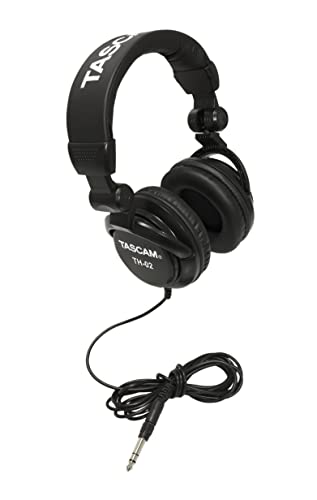
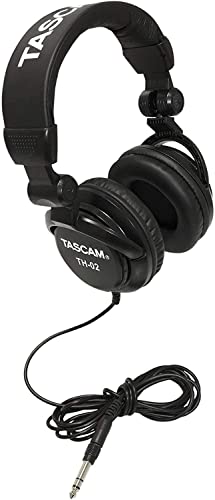
The TASCAM TH-02 is an affordable way to start monitoring audio with a familiar studio brand. Its closed-back, over-ear design helps you hear a guide track while recording. The foldable frame makes it easy to keep in a laptop bag or small gear case. A supplied 1/4-inch adapter lets you use it with many mixers and audio interfaces.
This model suits basic tracking, voice recording, guitar practice, and podcast work. It can reveal more detail than many simple earbuds, but it does not replace a high-end mixing reference. The lightweight build helps with portability, while the low price makes it less stressful for shared studios or classrooms. I would keep listening levels moderate because closed cups can encourage louder playback.
Pros:
- Low entry price for studio-style monitoring
- Closed-back cups help reduce outside distractions
- Foldable design supports easy storage
- Includes a 1/4-inch adapter
- Useful for podcasts, guitars, and basic recording
- Lightweight enough for short to medium sessions
Cons:
- Build feels less rugged than premium studio models
- Sound may lack the detail needed for final mixing
- Ear pads may feel warm during long use
What Amazon Buyers Are Saying
Amazon customers often choose the TH-02 because it costs little and works with many audio devices. Reviews commonly mention decent sound for the price, a useful foldable shape, and simple setup. Some buyers report that the hinges or cable need careful handling, which is reasonable for a budget design. Others want more comfort or a flatter sound for serious mixing.
My Recommendation
I recommend the TH-02 for beginners, students, and anyone building a first recording kit. It is worth buying when your main goal is affordable tracking. It is not my first choice for detailed mix work or daily professional use. Treat it as a capable starter monitor, not a complete studio reference system.
Sennheiser HD 280 Pro Headphones

The Sennheiser HD 280 Pro is one of the strongest choices here for vocal tracking and live monitoring. Its closed-back design provides substantial passive noise reduction, which helps in busy rooms and near loud instruments. The sound gives you a clear view of vocals, speech, and many midrange details. Its folding ear cups also make transport easier than the large shape first suggests.
The HD 280 Pro uses a coiled cable and a 3.5mm plug with an adapter for larger studio inputs. The fit can feel firm, but that pressure helps create a stable seal around the ears. I value this pair when microphone bleed matters more than a wide soundstage. It may not feel as relaxed as an open-back model, yet it performs its tracking job with confidence.
Pros:
- Strong passive isolation for recording
- Clear midrange for vocals and spoken audio
- Closed design helps reduce headphone bleed
- Folding ear cups improve storage and transport
- Replaceable parts support longer use
- Trusted choice for studio and field monitoring
Cons:
- Firm clamp may take time to adjust to
- Ear cups can become warm during long sessions
- Coiled cable adds weight and is not detachable
What Amazon Buyers Are Saying
Amazon buyers often praise the isolation, clear voice detail, and durable feel. Many use the HD 280 Pro for recording, streaming, broadcast work, and live sound. The most common complaints concern clamp pressure, heat, and the coiled cable. Some users need a short break between long sessions, while others find the secure fit helpful in a busy room.
My Recommendation
I recommend the HD 280 Pro when isolation is your top concern. It is one of the best headphones for studio recording vocals, podcasts, and live instruments. It gives up some comfort and openness to keep outside sound under control. For a serious tracking setup, that trade is often worth it.
OneOdio A71D DJ Studio Headphones

The OneOdio A71D focuses on simple studio use with a portable, foldable frame. Its over-ear cups suit DJ practice, guitar amps, podcast recording, and computer listening. The dual 3.5mm and 6.35mm plugs make it easy to move between consumer devices and studio gear. This flexibility is valuable when several people use the same headphones in a small workspace.
The closed-back design helps keep a guide track from spilling into a microphone. The sound gives music enough body for beat work and practice. The foldable build also helps users who take their headphones between home, school, and rehearsal spaces. I would still compare the low end with speakers because a lively headphone response can affect EQ choices.
Pros:
- Foldable design suits portable studio work
- Dual plugs connect to phones and interfaces
- Closed cups offer useful tracking isolation
- Good fit for DJing, guitar, and podcasting
- Over-ear pads improve focus over small earbuds
- Accessible choice for new creators
Cons:
- May feel warm during long recording sessions
- Not as neutral as a dedicated mixing reference
- Portable build needs careful handling
What Amazon Buyers Are Saying
Amazon reviews commonly highlight the low cost, broad compatibility, and foldable form. Buyers use this model for music, DJ practice, gaming, guitar, and online audio work. Some users like the strong sound, while others prefer a less colored response for mixing. Comfort comments vary, especially during hot weather or very long sessions.
My Recommendation
The A71D is worth considering if you need an affordable pair for several tasks. I see it as a practical studio headphone for recording demos, podcasting, and learning production. It is not the most exact model in this guide, but it offers strong everyday value. Choose it when flexibility matters more than fine mix accuracy.
Shure SRH440A Studio Headphones

The Shure SRH440A is a studio-focused closed-back headphone for recording and monitoring. Its sound aims for a balanced, detailed presentation that works well with vocals, instruments, and spoken audio. The closed ear cups help control bleed during tracking. Its collapsible design also makes it practical for small studios and mobile recording kits.
I like this model for users who want a more serious monitor than a basic DJ headphone. It does not add the same strong sense of space as an open-back pair, but it gives better control in a microphone setup. The included cable and adapter support common studio connections. As with most closed headphones, I suggest checking bass and stereo width on speakers before exporting a final mix.
Pros:
- Balanced sound suits recording and monitoring
- Closed-back cups help control microphone bleed
- Collapsible design improves portability
- Strong brand support and studio history
- Clear detail for voice and instrument work
- Good option for home and project studios
Cons:
- Closed design gives less air than open models
- May feel warm after extended use
- Less convenient if you want a wireless option
What Amazon Buyers Are Saying
Amazon customers often praise the clear sound, sturdy feel, and useful foldable design. Many buyers use the SRH440A for home recording, video editing, streaming, and general monitoring. Some reviewers want softer pads or a lighter fit for very long sessions. Others note that the sound feels more honest and less bass-heavy than consumer headphones.
My Recommendation
I recommend the SRH440A for creators who want a balanced closed-back monitor from a well-known audio company. It is a strong choice for vocal recording, podcast editing, and general studio work. The price makes sense if you plan to use it often. I would choose it over a basic consumer model when accurate monitoring matters.
AKG K240STUDIO Semi-Open Headphones

The AKG K240STUDIO uses a semi-open design that sits between closed and open headphones. It gives music a more natural, airy feel than many closed models. The 55-ohm impedance makes it easier to use with a range of studio devices than some high-impedance headphones. Its self-adjusting headband and classic shape make it a familiar tool for production and monitoring.
This model is better for mixing and production in a quiet room than for recording beside a sensitive microphone. Some sound may escape from the semi-open cups. The sound helps you hear space, panning, and the relation between instruments. I would use it after tracking, then check the finished mix on speakers and a closed-back pair.
Pros:
- Semi-open design gives a natural sense of space
- Useful for mixing, production, and mastering practice
- 55-ohm impedance suits many studio outputs
- Self-adjusting headband is simple to use
- Replaceable cable supports practical maintenance
- Light feel works well for long listening sessions
Cons:
- Sound leakage can affect microphone recording
- Isolation is limited in noisy rooms
- Low-end impact may feel lighter than closed models
What Amazon Buyers Are Saying
Amazon buyers often like the open, natural sound and light fit. Many use the K240STUDIO for mixing, keyboard work, music production, and general reference listening. Common limits include low isolation and less bass impact than closed-back headphones. Comfort tends to receive positive comments, though the loose fit may not suit listeners who want a strong seal.
My Recommendation
I recommend the K240STUDIO for quiet-room mixing and production. It is a good choice if you want a more open sound without moving fully to an open-back design. I would not use it as the only headphone for vocal tracking. For balanced studio work, pair it with a closed model such as the HD 280 Pro or SRH440A.
How to Choose the Best Headphone for Studio Recording
Choosing the best headphone for studio recording starts with your main task. A vocalist needs low sound leakage. A mixer needs detail and a stable stereo image. A podcast user may care most about speech clarity and comfort. The right design depends on how, where, and how often you record.
1. Match the Design to Your Recording Task
Closed-back headphones usually work best for recording vocals, acoustic guitar, podcasts, and live instruments. Their cups block outside noise and help stop the guide track from entering the microphone. Look for a snug seal, but avoid a fit that causes pain.
Open-back and semi-open headphones suit mixing in a quiet room. They often sound wider and more natural. That can help you judge panning and room effects. However, they leak sound. Do not place them near an open microphone unless the recording setup allows it.
2. Check Impedance, Plugs, and Your Audio Interface
Impedance tells you how much power a headphone may need. A high-impedance model, such as the 250-ohm DT 990 Pro, may need a strong headphone output or an amplifier. A lower-impedance model usually works more easily with laptops, phones, keyboards, and basic interfaces.
Also check the plug. Many studio headphones use a 3.5mm plug with a 6.35mm adapter. Some OneOdio models offer both jack sizes, which helps when you move between devices. A fixed cable can work well at a desk, but a detachable cable makes replacement easier.
3. Judge Comfort, Sound, and Long-Term Value
Recording sessions can last for hours. Soft pads, a stable headband, and reasonable clamp pressure matter as much as sound. If the headphones feel hot or tight after ten minutes, they may become a problem later. Try to take short breaks and keep the listening level safe.
Do not confuse a powerful sound with an accurate sound. Extra bass can make a track feel exciting but may lead you to remove too much low end. A bright sound can reveal detail but may cause harsh EQ choices. I suggest checking every important mix on headphones, speakers, and a simple consumer device.
Finally, consider repair and replacement. Replaceable pads and cables can extend the life of a studio headphone. A slightly higher price may offer better value if you use the pair every week. For a first setup, the OneOdio A71, TASCAM TH-02, and OneOdio DJ model offer useful value. For more focused work, the Sennheiser HD 280 Pro, Shure SRH440A, and beyerdynamic DT 990 Pro bring stronger specialist benefits.
Final Verdict: Which Should You Buy?
The Sennheiser HD 280 Pro is my top pick for vocal tracking and isolation. The Shure SRH440A is the better balanced all-rounder, while the DT 990 Pro excels at open-back mixing.
For a budget setup, OneOdio offers strong flexibility. Choose the best headphone for studio recording based on your room, microphone, interface, and main task.
FAQs Of best headphone for studio recording
What is the best headphone for studio recording vocals?
The Sennheiser HD 280 Pro is a strong choice because its closed-back design offers useful isolation and helps limit microphone bleed.
Are open-back headphones good for studio recording?
Open-back headphones work well for mixing in a quiet room. They are not ideal for vocal tracking because sound can leak into the microphone.
Do studio headphones need an amplifier?
Not always. Low- and medium-impedance models often work with common interfaces. High-impedance headphones, such as the 250-ohm DT 990 Pro, may need more power.
Should studio headphones have a flat sound?
A balanced sound helps you make better mix decisions. Still, no headphone is perfectly flat, so check important mixes on speakers and other devices.
Are closed-back headphones better for recording?
Closed-back headphones are usually better for tracking because they reduce outside noise and limit sound leakage near the microphone.