Best Headphone For Making Music: Studio Guide

The best headphone for making music is the TASCAM TH-02 for clear monitoring, low cost, and useful studio flexibility.
You sit down to record a vocal, mix a beat, or learn guitar, but your regular earbuds hide small sounds. Bass may feel too strong, vocals may sound dull, and long sessions can become tiring. The right studio headphones help you hear timing, tone, noise, and balance with more control. I reviewed eight popular options for music making, playback, calls, travel, and casual use. My top picks focus on wired monitoring first, while the wireless models suit producers who also want daily listening features.
See the differences between my top picks at a glance.
| Model | Design | Best Use | Connection | Key Strength | Buy |
|---|---|---|---|---|---|
| TASCAM TH-02 | Over-ear, closed-back | Recording and home studio | Wired | Low-cost studio monitoring | View on Amazon |
| Roland RH-5 | Over-ear, closed-back | Everyday music making | Wired | Light feel and balanced tone | View on Amazon |
| Jabra Evolve 65 | Wireless stereo headset | Music and calls | Bluetooth and USB adapter | Wireless work convenience | View on Amazon |
| Lightning Ear Buds | Wired earbuds | iPhone recording and checks | Lightning | Direct Apple device use | View on Amazon |
| CYSRALFC Bluetooth | Wireless over-ear | Casual music and gaming | Bluetooth | Foldable design and RGB style | View on Amazon |
| DEWALT Neckband | Neckband and speakers | Worksite listening | Bluetooth | Long listed battery life | View on Amazon |
| Otium Open Ear | Open-ear hybrid | Running and outdoor use | Bluetooth | Awareness of surroundings | View on Amazon |
| RORSOU B8 | Wireless over-ear | Travel and casual mixing | Bluetooth | EQ modes and long use | View on Amazon |
TASCAM TH-02 Studio Monitor Headphones
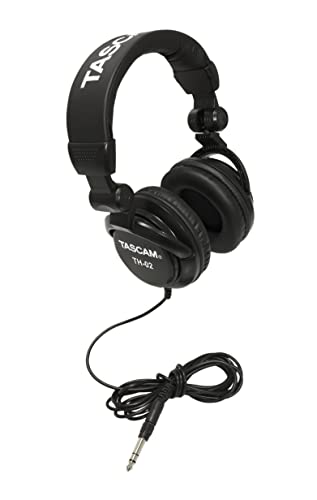
The TASCAM TH-02 is the strongest starting point for a home producer who wants wired headphones at a modest cost. Its over-ear, closed-back design helps keep sound focused during recording. The wired setup also avoids Bluetooth delay, which matters when you play a software instrument or record a vocal. A 1/4-inch adapter adds useful flexibility for audio interfaces, mixers, and headphone amplifiers.
I would use this model for tracking vocals, checking edits, and learning basic mix balance. It is not a replacement for trusted studio monitors or high-end reference headphones, so I would compare important mixes on other systems. Still, the simple build and studio-focused purpose make it a practical first purchase. It earns my top spot because it targets music work instead of adding features that can distract from the sound.
Pros:
- Closed-back design suits recording sessions
- Wired connection avoids wireless latency
- Includes a 1/4-inch adapter
- Over-ear fit can help reduce outside noise
- Strong value for beginner home studios
Cons:
- May not offer the detail of premium studio headphones
- Wired use limits movement
- Closed cups can feel warm during long sessions
What Amazon Buyers Are Saying
Buyer discussions commonly focus on the low price, usable sound, and simple studio function. Many shoppers appear to value the adapter and the closed design for home recording. As with many budget headphones, some buyers mention that comfort, fit, and long-term durability can vary by user. I recommend checking current reviews for the latest batch and fit comments before ordering.
My Recommendation
I recommend the TASCAM TH-02 for beginners, podcasters, and musicians who need a low-cost wired monitor. It offers the best mix of useful studio traits and price in this group. I would not choose it for a professional mastering room, but it is a smart first step.
Roland RH-5 Monitor Headphones

The Roland RH-5 takes a clean and simple approach to music making. It uses an over-ear, closed-back layout and comes with a conversion plug for common audio gear. Roland positions it for everyday music production and audio playback. That makes it a good match for keyboard players, guitar students, and home users who want one wired set for practice.
I like the RH-5 when comfort and ease matter as much as strict mix work. Its lightweight design should feel less demanding than bulky studio models for many users. The closed cups also suit quiet recording tasks and late-night practice. However, I would still test bass and vocal balance on speakers before releasing a final mix.
Pros:
- Closed-back format supports focused listening
- Lightweight design suits long practice sessions
- Includes a conversion plug
- Useful for keyboards and everyday music playback
- Simple wired signal path
Cons:
- Not wireless
- May feel less detailed than higher-priced reference models
- Closed design may become warm over time
What Amazon Buyers Are Saying
Amazon buyers often highlight the light feel, easy setup, and useful sound for the price. Reviews may also differ on clamp force and ear-pad comfort because head shape varies. Some users seek more bass, while others prefer a more even monitor style. I suggest reading recent reviews with your own music source in mind.
My Recommendation
The Roland RH-5 is worth buying for a student, keyboard player, or casual producer who wants a reliable wired set. It is a close alternative to the TASCAM and may suit people who prefer a lighter fit.
Jabra Evolve 65 Wireless Headset
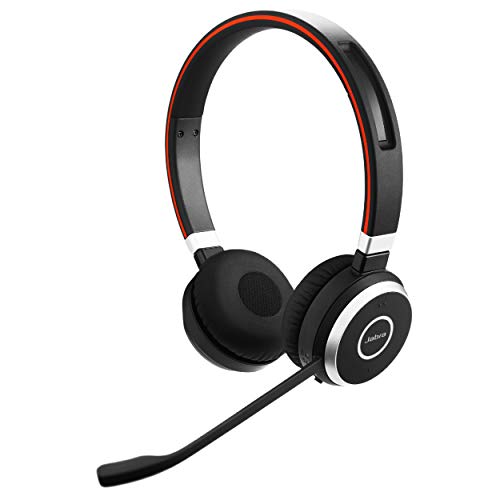
The Jabra Evolve 65 is a wireless stereo headset built for music, calls, and office use. Its Bluetooth connection can make a mobile production setup easier to manage. The included Link 360 adapter may help with computer connection, depending on the system and current package. A built-in microphone also makes it useful for remote lessons, team calls, and quick voice notes.
For serious beat making, I would favor a wired model because wireless audio can add delay. The Evolve 65 works better as a second headset for listening, calls, and rough checks away from the desk. It can help a producer move between a computer and phone without changing headphones. Buyers should confirm compatibility and package details, since retail bundles can change.
Pros:
- Wireless freedom for desk and mobile use
- Built-in microphone for calls and lessons
- Useful for both music and office work
- Link 360 adapter included in the listed package
- More flexible than a strictly studio-only headset
Cons:
- Wireless delay may affect live instrument recording
- Not designed as a pure studio reference headphone
- Battery charging adds another task
What Amazon Buyers Are Saying
Buyer feedback commonly centers on call quality, wireless convenience, and comfort during work. Some users like switching between devices, while others discuss pairing or software behavior. Audio opinions can vary because this headset serves both communication and music. Check current reviews if microphone performance or computer compatibility is your main concern.
My Recommendation
I recommend the Jabra Evolve 65 for producers who need one headset for calls and casual music work. I would not make it my only mixing headphone, but it is a useful wireless companion.
Wired Lightning Earbuds for iPhone

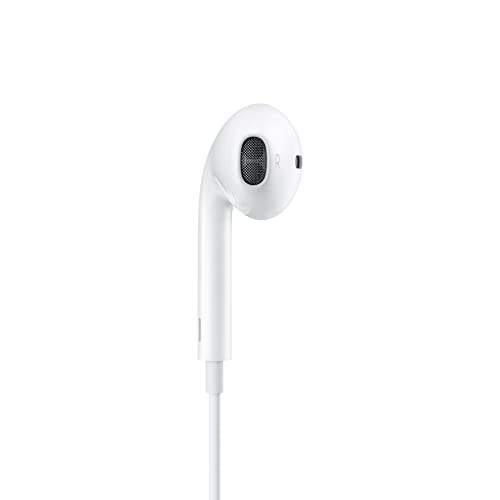
These wired Lightning earbuds target iPhone users who want a direct connection without a wireless pairing step. The built-in microphone can help with calls, notes, and simple mobile recording tasks. Their small shape makes them easy to carry in a pocket or bag. They can also provide a useful reality check because many listeners hear music through small earbuds.
I would not choose them as my main tool for detailed mixing. Earbuds do not seal or present sound like over-ear studio monitors, and fit can change the bass response. Still, they can help an iPhone producer check vocals, hooks, and rough arrangements. Confirm that your Apple device has a Lightning port before ordering, especially if you use a newer USB-C model.
Pros:
- Direct wired use with compatible Lightning iPhones
- Compact and easy to carry
- No Bluetooth battery requirement
- Built-in microphone for simple voice work
- Useful for checking how a mix sounds on earbuds
Cons:
- Not over-ear studio headphones
- Lightning connector limits device compatibility
- Fit can change sound from person to person
What Amazon Buyers Are Saying
Customer comments for this type of product often focus on plug fit, microphone function, comfort, and device compatibility. Some users value the simple plug-in design, while others report that earbud fit affects sound and comfort. Because connector compatibility matters, I would read the latest listing details and reviews before purchase.
My Recommendation
These earbuds make sense as a backup listening tool for iPhone users. They are not my pick for the best headphone for making music, but they can support mobile recording and final mix checks.
CYSRALFC Bluetooth Over-Ear Headphones

The CYSRALFC headphones offer a wireless over-ear design with RGB lighting, a microphone, and a foldable frame. The feature set aims at everyday use across music, gaming, school, and home office tasks. Over-ear cups may feel more immersive than small earbuds for casual listening. The foldable build also helps users who carry headphones between rooms or locations.
For music creation, I would treat this model as a playback and idea-writing headset rather than a precise reference tool. Bluetooth is convenient, but live recording can expose delay. RGB lighting adds style but does not improve mix accuracy. If you produce beats for fun, play games, and attend calls, this model offers broader daily use than a basic wired monitor.
Pros:
- Wireless over-ear design
- Foldable for easier storage
- Built-in microphone
- Useful across music, gaming, and school work
- RGB lighting adds a personal look
Cons:
- Wireless delay may affect recording
- RGB features do not help sound judgment
- Sound profile may not suit final mixing
What Amazon Buyers Are Saying
Reviews for this kind of headset often mention appearance, wireless setup, comfort, and microphone use. Some buyers enjoy the lights and broad daily purpose. Others may focus on battery life, fit, or sound balance. I would give extra attention to recent comments about pairing and comfort if you plan long production sessions.
My Recommendation
I recommend it for casual producers who want a fun wireless headset for playback and gaming. I would pair it with wired studio headphones for recording and mix decisions.
DEWALT 2-in-1 Neckband Headphones

The DEWALT 2-in-1 neckband combines wearable speakers with around-neck headphones. The listing also highlights Bluetooth use, hands-free calls, a carry pouch, and more than 60 hours of listed music and call time. This design suits work areas, travel, and jobs where full ear cups may feel inconvenient. It offers a different way to keep audio close without using traditional over-ear monitors.
I would not select it for detailed music production. Open or wearable speaker designs can let outside sound enter and can change how bass feels in a room. That makes accurate tracking and mix work harder. It may still help a songwriter listen to demos while working, or a producer take calls without covering the ears fully.
Pros:
- 2-in-1 neckband and speaker design
- Bluetooth convenience
- Useful for worksite and hands-free listening
- Carry pouch included in the listing
- Long listed battery claim
Cons:
- Not a studio monitoring design
- Outside noise can affect listening
- Neckband fit may not suit everyone
What Amazon Buyers Are Saying
Buyers commonly look at comfort, battery performance, speaker volume, and durability when reviewing this type of product. Some users appreciate keeping their ears open, while others may prefer stronger isolation. Battery results can change with volume and use, so I treat the listed figure as a guide rather than a promise.
My Recommendation
The DEWALT is a practical work and travel headset, not my choice for producing or mixing music. Buy it when awareness and long wireless use matter more than accurate studio sound.
Otium Open-Ear Hybrid Headphones

The Otium headphones use an open-ear hybrid design aimed at running and outdoor activity. The listing highlights Bluetooth 6.0, an AI music app, 12 hours of playtime, and IPX6 waterproof protection. Open-ear listening lets the wearer hear more of the surrounding area. That can help during outdoor exercise and daily movement.
This is not the best headphone for making music in a quiet studio. Open-ear products do not provide the same isolation as closed-back monitors, and outdoor noise can mask fine details. I see more value in using it to hear a demo while walking or to check how a track feels in a busy setting. The app and water protection may appeal to active listeners who also make music.
Pros:
- Open-ear design supports awareness
- Useful for running and outdoor use
- IPX6 protection is listed
- Bluetooth 6.0 is listed
- AI music app and 12-hour playtime are listed
Cons:
- Limited isolation for studio work
- Outdoor noise can hide mix detail
- Listed features may not suit users seeking neutral monitoring
What Amazon Buyers Are Saying
Customer feedback for open-ear sports headphones often centers on comfort, awareness, fit, volume, and connection stability. Some listeners like hearing traffic and people around them. Others may want more bass or stronger isolation than this design can offer. Check current reviews for fit and app experience before buying.
My Recommendation
I recommend Otium for active listening and outdoor demo checks. I would not use it as a primary recording or mixing headphone because its open design changes the listening conditions.
RORSOU B8 Wireless Over-Ear Headphones

The RORSOU B8 is a wireless over-ear model with six listed EQ music modes, deep bass, a microphone, and up to 50 hours of listed playtime. Its folding design targets travel and daily use. The EQ modes may help listeners change the sound for different types of music. That flexibility can make it enjoyable for casual playback and rough song checks.
EQ modes can also make mixing less reliable. A boosted bass mode may sound exciting, but it can lead a producer to remove too much low end from a track. I would use a neutral or least-colored setting when checking a mix, then compare the result on speakers. As a travel headset, the B8 offers more convenience than a basic wired monitor.
Pros:
- Over-ear wireless design
- Six listed EQ music modes
- Up to 50 hours of listed playtime
- Folding frame suits travel
- Built-in microphone for calls
Cons:
- EQ modes can color mix decisions
- Wireless delay may affect live recording
- Deep bass focus may not suit neutral monitoring
What Amazon Buyers Are Saying
Buyers often pay attention to battery life, bass, folding convenience, and Bluetooth pairing. Some people enjoy the EQ choices for personal listening. Others may prefer a flatter sound for music work. I suggest checking current feedback about comfort and the actual battery experience at your preferred volume.
My Recommendation
The RORSOU B8 is a good travel and casual listening option. It can support rough checks, but I would choose the TASCAM or Roland for serious home recording and mix work.
How to Choose the Best Headphone for Making Music
Choosing the best headphone for making music starts with your workflow. A singer needs low sound leak during recording. A beat maker needs clear timing and a useful bass view. A mobile producer may value a small design, while a mix engineer needs a stable and honest sound. Use these three checks before you buy.
1. Choose Wired Monitoring for Recording
Wired headphones usually make the most sense for recording and software instruments. Bluetooth can add delay between your action and the sound. That delay can make drums feel late and can make vocal tracking hard. A wired model such as the TASCAM TH-02 or Roland RH-5 offers a simpler path from your interface to your ears.
Closed-back headphones also help reduce sound leaking into a microphone. This matters when you record vocals, acoustic guitar, or spoken audio in the same room. Open-ear and neckband models work better for outdoor awareness than studio isolation.
2. Look for a Balanced Sound, Not Just Big Bass
Strong bass can make music feel exciting, but it can mislead you during a mix. If the headphones add too much bass, you may remove low end that the song needs. A balanced sound helps you judge vocals, drums, cymbals, and instruments with less guesswork.
Use your ears over time. Play songs that you know well. Notice if vocals sound pushed back, if bass feels huge, or if treble feels sharp. Then compare your own mix on speakers, earbuds, and another pair of headphones. This simple cross-check matters more than a single product claim.
3. Match Comfort, Connection, and Value to Your Workflow
Music sessions can last for hours, so comfort matters. Check the headband, ear-pad shape, clamp, and weight. A technically good headphone will not help if you remove it every few minutes. A lightweight model such as the Roland RH-5 may suit long practice sessions, while a wireless model may better fit mobile work.
Also check the connector before ordering. A 1/4-inch adapter helps with studio equipment. A Lightning earbud works only with compatible Apple devices. Wireless headphones need charging and may not suit live recording. Finally, compare the full value, not just the price. The best headphone for making music should fit your main task first.
Final Verdict: Which Should You Buy?
The TASCAM TH-02 is my top pick for the best headphone for making music. It offers wired, closed-back monitoring, a 1/4-inch adapter, and strong value. Choose the Roland RH-5 if you prefer a light everyday studio set.
Wireless and open-ear models work well for travel, calls, and casual checks. For accurate home recording, start with a wired studio monitor and compare every final mix on more than one system.
FAQs Of best headphone for making music
What is the best headphone for making music at home?
The TASCAM TH-02 is my top budget pick for home music making. Its wired, closed-back design suits recording and basic monitoring.
Are wired or Bluetooth headphones better for music production?
Wired headphones usually work better for production because they avoid wireless delay. Bluetooth models suit playback, travel, and calls.
Are closed-back headphones good for recording vocals?
Yes. Closed-back headphones can reduce sound leaking into the microphone, which helps during vocal and instrument tracking.
Can I mix music with regular wireless headphones?
You can make rough mixes, but wireless headphones may add delay and color the sound. Always check the final mix on speakers or another pair.
What should I check before buying studio headphones?
Check the connection, comfort, ear-cup design, sound balance, device compatibility, and whether the headphones suit recording or mixing.