How Do Open Ear Headphones Work: Simple Guide

Introduction
Open-ear headphones let people in the United States listen to music, calls, or podcasts while keeping their ear canals open. This can help a runner hear traffic, a cyclist notice nearby vehicles, or an office worker stay aware of coworkers.
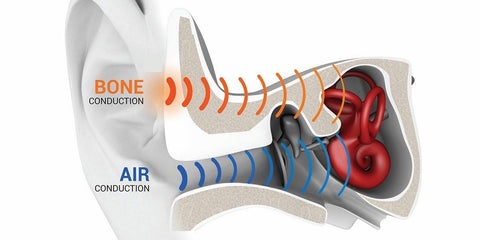
Unlike earbuds, open-ear models do not form a seal inside the ear. Some use small speakers that sit near the ears. Others use bone conduction, which sends vibrations through the bones near the cheek and temple. Both designs leave the ear canal open, but they create sound in different ways.

Quick Answer: How Do Open-Ear Headphones Work?
Open-ear headphones work by sending sound to the inner ear without fully blocking the ear canal.
There are two main methods:
- Air conduction: Small speakers sit outside the ear and send sound through the air into the ear canal.
- Bone conduction: Transducers rest against the side of the head and create vibrations that travel through the skull to the inner ear.
Both methods ultimately stimulate the cochlea, the part of the inner ear that changes vibration into nerve signals for the brain. The main difference is the path that sound takes before it reaches the cochlea.
What Are Open-Ear Headphones?
Open-ear headphones are listening devices designed to keep the ear canal open. They usually rest on the outer ear, cheekbone, or area beside the temple rather than sitting inside the ear.
The term open-ear describes the listening position, not one single technology. A product labeled “open ear” may use air conduction or bone conduction. Checking the product specifications is the best way to tell which system it uses.
Open-ear headphones are different from open-back headphones. Open-back headphones have vented ear cups, but the cups still sit over or around the ears. Open-ear headphones do not need to cover the ears in the same way.
The main parts
Most open-ear headphones include:
- Bluetooth radio: Receives audio from a phone, tablet, computer, or other device.
- Battery: Powers the wireless connection, amplifier, and sound driver.
- Digital signal processor: Adjusts volume, voice clarity, bass, and other sound traits.
- Amplifier: Increases the electrical audio signal.
- Transducer: Changes the electrical signal into air movement or physical vibration.
- Microphones: Handle phone calls, voice commands, and noise reduction.
- Controls: Manage play, volume, calls, and pairing.
The transducer is the part that creates the sound or vibration you feel and hear.

How Air-Conduction Open-Ear Headphones Work
Air-conduction open-ear headphones use small speakers placed near, but not inside, the ear canal. The speakers push air in much the same way as a normal speaker.
The signal path looks like this:
- Your phone sends digital audio to the headphones through Bluetooth.
- The headphones convert the digital signal into an electrical signal.
- The amplifier strengthens that signal.
- The driver moves back and forth.
- Those movements create pressure changes in the air.
- The pressure changes travel into the open ear canal.
- The eardrum and middle-ear bones move.
- The cochlea converts the movement into nerve signals.
Because the ear canal remains open, outside sounds can enter at the same time. This is why air-conduction open-ear headphones can sound more natural in quiet places and less isolated in busy ones.
Why the speaker position matters
Air-conduction models need careful placement. The speaker must point sound toward the ear canal. If it shifts too far away or points in the wrong direction, the listener may hear less bass and lower volume.
Hair, hats, glasses, and wind can also affect the sound. The farther the speaker sits from the ear, the more sound energy spreads into the room instead of reaching the listener.
This creates a trade-off:
- Closer placement: Better sound and less sound leakage.
- More distance: More awareness of nearby sounds but often weaker bass and lower volume.
Why bass may sound different
Low-frequency sound needs more air movement than high-frequency sound. A sealed earbud traps sound pressure in the ear canal, which can make bass feel strong.
An open-ear speaker cannot create the same seal. Some models use digital bass tuning or larger drivers to improve low-frequency sound, but they still may not produce the same deep bass as sealed earbuds.
Air-conduction open-ear headphones are often best for speech, calls, podcasts, and general music listening. Their performance can vary more in wind or loud outdoor areas.
How Bone-Conduction Headphones Work
Bone-conduction headphones use small transducers that press against the skin near the cheekbones or temples. Instead of sending most sound through the ear canal, they create mechanical vibrations in the bones of the head.
The basic process is:
- A phone sends audio to the headphones.
- The headphones convert the audio into an electrical signal.
- The amplifier sends that signal to the bone-conduction transducers.
- The transducers vibrate against the head.
- The vibrations travel through bone to the inner ear.
- The cochlea changes the vibrations into nerve signals.
- The brain recognizes the result as sound.
Bone conduction still depends on a functioning inner ear. It does not send sound directly to the brain, and it does not make a person immune to loud-noise damage.
Bone conduction and the outer ear
In ordinary hearing, sound travels through the outer ear, ear canal, eardrum, and middle ear before reaching the cochlea.
Bone conduction can reduce the role of the outer and middle ear. This is why bone-conduction technology has been used in some hearing-related devices. However, consumer bone-conduction headphones are not the same as medical hearing aids.
A person with hearing loss should not assume that bone-conduction headphones will solve the problem. Hearing loss can have many causes, and a hearing professional can identify the best option.
Why bone conduction can sound less full
Bone-conduction models often produce clear speech and useful awareness. Yet they may have less powerful bass and a different sense of detail than sealed headphones.
The transducers must maintain good contact with the head. Sweat, hair, glasses, helmet straps, and movement can change that contact. At high volume, some people may also feel a slight buzzing or tingling near the contact points.

Open-Ear Headphones vs. Regular Headphones
The key difference is isolation.
Regular earbuds and closed-back headphones limit the amount of outside sound that reaches the ear. Open-ear headphones allow more outside sound to remain audible.
| Feature | Open-ear headphones | Sealed earbuds | Closed-back headphones |
|---|---|---|---|
| Ear canal blocked | No | Usually yes | No, but ear cups cover the ear |
| Awareness of surroundings | Usually high | Usually low to moderate | Usually low |
| Bass impact | Often moderate | Often strong | Often strong |
| Sound leakage | Possible | Usually low | Usually low |
| Wind effect | Can be noticeable | Often lower | Often lower |
| Use near traffic | May support awareness | Can reduce awareness | Can reduce awareness |
| Noise isolation | Limited | Moderate to high | Moderate to high |
Open-ear headphones do not automatically make outdoor activities safe. A loud road, construction site, train platform, or crowded street can still overwhelm the headphones and your hearing.
They also do not replace visual awareness. Keep watching traffic, obey local laws, and avoid using headphones in situations that require full attention.

Why People Choose Open-Ear Headphones
Open-ear headphones solve a practical problem: listening without fully disconnecting from the environment.
They may work well for:
- Walking in neighborhoods
- Running on roads or trails
- Cycling where headphone use is legal and appropriate
- Working in an office
- Listening at home while hearing family members
- Taking calls while staying aware of nearby activity
- Wearing with glasses or hearing protection, depending on the design
They can also feel more comfortable for people who dislike ear tips or pressure inside the ear canal.
The main limitation is that awareness is not the same as protection. Open-ear headphones let outside sound in, but they do not reduce hazardous noise like certified hearing protection.

Do Open-Ear Headphones Leak Sound?
Yes, many open-ear headphones leak some sound. The amount depends on the design, listening volume, speaker distance, fit, and surrounding noise.
Air-conduction models often leak more because their speakers send sound into the open air. Bone-conduction models may leak less in some conditions, but they are not silent to nearby listeners.
Sound leakage is most noticeable when:
- The volume is high.
- The environment is quiet.
- The speaker sits far from the ear.
- The headphones fit loosely.
- The user listens to speech or music with strong midrange frequencies.
To reduce leakage, keep the volume as low as practical and position the transducers correctly. A closer fit can improve the sound while reducing the need for higher volume.

Are Open-Ear Headphones Safer for Your Hearing?
Open-ear headphones are not automatically safer than earbuds. Hearing risk depends mainly on sound level, listening time, and personal susceptibility.
The CDC and NIOSH identify 85 decibels over an 8-hour workday as a commonly used occupational exposure limit for noise. This value is not a universal safe setting for every headphone, because phone volume levels vary by device, headphone model, music track, fit, and environment.
Open-ear designs may encourage safer listening in one situation: users may avoid turning up sealed earbuds to block outside noise. In a loud place, however, an open-ear user may raise the volume to overcome traffic, wind, or machinery. That can increase risk.
Use these habits:
- Keep the volume as low as needed.
- Take regular listening breaks.
- Do not use headphones to overpower loud machinery.
- Watch for ringing, muffled hearing, pain, or sound sensitivity.
- Leave a noisy area if the headphones cannot compete at a comfortable level.
- Use properly rated hearing protection where noise protection is required.
If ringing or muffled hearing continues after listening, stop using the headphones and consider speaking with a qualified hearing professional.
Do Open-Ear Headphones Work in Noisy Places?
They work in noisy places, but the listening experience may become less clear. Open-ear headphones do not seal the ear or cancel all outside sound.
Some models use microphones and digital processing to make voices easier to hear. This may improve phone calls, but it cannot remove every sound around you. Wind is a common problem because it reaches the microphones and the listener’s ears.
In a loud environment, the practical choices are:
- Move to a quieter area.
- Lower the playback and pause when needed.
- Use hearing protection if the setting requires it.
- Choose sealed headphones only when reduced awareness is safe and suitable.
Open-ear headphones are usually a better match for moderate noise than for concerts, airports, construction areas, or industrial workplaces.

How to Choose the Right Type
Choose based on where you listen and what you value most.
| Your main need | Usually better fit | Reason |
|---|---|---|
| Hear traffic and nearby voices | Air conduction or bone conduction | Both keep the ear open |
| Clear podcasts and calls | Air conduction | Direct sound often supports voice detail |
| No earbuds inside the canal | Either type | Neither requires a sealed ear tip |
| Strong bass | Air conduction with careful placement | Often provides a fuller sound path |
| Avoiding ear-canal pressure | Bone conduction or air conduction | Both sit outside the canal |
| Use with glasses or helmets | Check the frame and contact points | Fit varies by model |
| Heavy wind or loud streets | Neither is ideal | Outside noise can overwhelm the sound |
| Hearing protection | Certified hearing protection | Open-ear headphones are not protective equipment |
Also check:
- Bluetooth support for your phone or computer
- Microphone quality for calls
- Water and sweat resistance
- Battery life under the maker’s stated test conditions
- Physical button access
- Fit with glasses, hats, or helmets
- Warranty and replacement policy
- Whether the device supports one-ear or multipoint use
Do not choose from the label alone. “Open ear,” “open air,” and “bone conduction” can describe different designs.

Common Problems and Simple Fixes
The sound is too quiet
First, check both the phone volume and the headphone volume. Then confirm that the speakers or transducers are in the correct position.
If the environment is loud, move to a quieter place instead of raising the volume sharply. Clean dust or sweat from the contact area if the manufacturer allows it.
The bass sounds weak
For air-conduction models, move the speakers closer to the ear and check their angle. For bone-conduction models, improve contact with the skin near the cheekbone.
Bass can also seem weak when wind or traffic masks low frequencies. No adjustment can fully remove that limitation.
Calls sound unclear
Check the microphone position and Bluetooth connection. Wind can reduce call quality, even when music sounds acceptable.
If the problem occurs indoors as well, restart the headphones, reconnect them, and check for firmware updates from the manufacturer.
The headphones hurt or cause pressure
Stop using them if you feel pain. Adjust the position, loosen the fit, or try a different design.
Bone-conduction transducers can create pressure against the skin. Air-conduction frames can press behind the ear. Discomfort is a fit problem, not something to ignore.
The connection keeps dropping
Keep the phone close, remove barriers, and turn off unused Bluetooth connections. Restart both devices and pair them again.
If the issue continues, check whether the headphones support your phone’s operating system and Bluetooth features.

Key Takeaways
- Open-ear headphones keep the ear canal open.
- Air-conduction models send sound through the air from speakers near the ear.
- Bone-conduction models send vibrations through the skull to the cochlea.
- Both types can help users stay aware of nearby sound.
- Neither type is a substitute for certified hearing protection.
- Open-ear headphones can still cause hearing damage at high volume.
- Fit, wind, background noise, and speaker placement strongly affect performance.
- Bone conduction is not the same as a medical hearing aid.
Frequently Asked Questions
Can open-ear headphones damage hearing?
Yes. Open-ear headphones can expose the cochlea to harmful sound levels, especially during long listening sessions or when the volume is high. Keeping the ear canal open does not eliminate noise risk.
Are bone-conduction headphones better than earbuds?
Neither is best for every listener. Bone-conduction headphones may suit people who dislike ear tips or need more environmental awareness. Earbuds usually provide stronger bass, more isolation, and a more private listening experience.
Can people around me hear open-ear headphones?
They may hear some sound, especially in a quiet room or when the volume is high. Air-conduction models often produce noticeable leakage. Bone-conduction models can also be heard by nearby people.
Can I wear open-ear headphones with glasses?
Often, yes, but the fit depends on the frame and headphone design. Try the headphones with your glasses, sunglasses, or helmet before relying on them for long activities.
Can open-ear headphones replace hearing protection?
No. Consumer open-ear headphones are made for listening, not for reducing hazardous noise. Use hearing protection with the proper rating when required by the workplace or activity.
Conclusion
Open-ear headphones work by delivering sound without sealing the ear canal. Air-conduction models use small external speakers, while bone-conduction models use vibrations that reach the cochlea through the skull.
The right choice depends on your setting. For calls, podcasts, and natural voice sound, air conduction may be the simpler fit. For people who want no device inside or over the ear, bone conduction can be useful. In both cases, keep the volume moderate, protect your hearing in loud places, and treat environmental awareness as an aid—not a replacement for attention.