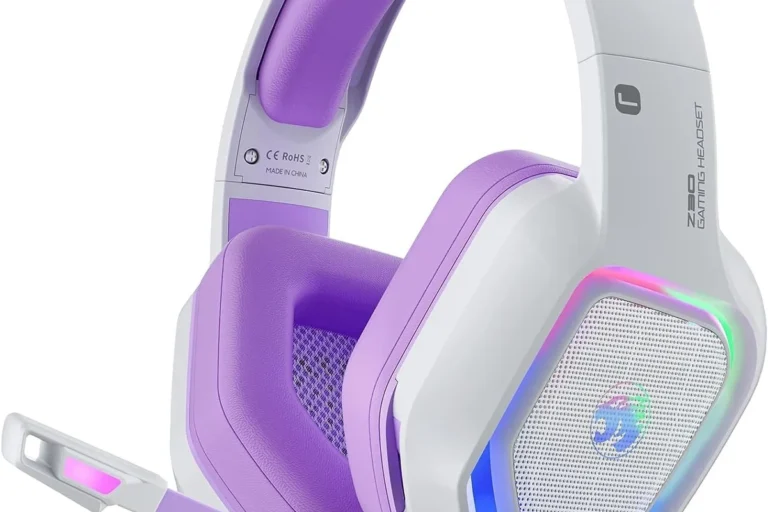
How To Get Free Wireless Headphones: Easy Ways

You can get free wireless headphones in the United States, but most legitimate offers require an action first. You may need to enter a lawful sweepstakes, complete a rewards task, join a product-testing panel, use a new-customer promotion, or claim an employer or school benefit.
The safest rule is simple: never pay a fee, share sensitive account details, or install unknown software to claim a “free” prize. A real offer should explain who runs it, who can enter, what the item is, how winners are chosen, and when the offer ends.
This guide covers practical ways to find free Bluetooth headphones in the USA, how to check an offer, and how to avoid common scams.

The Most Legitimate Ways to Get Free Wireless Headphones
The best method depends on whether you want a chance to win, a guaranteed reward, or a product for testing. Some offers are free but take time. Others require a purchase, subscription, survey work, or account activity.
| Method | Upfront cost | What you give | Chance of success | Main risk |
|---|---|---|---|---|
| Legitimate sweepstakes | Usually $0 | Entry details and time | Low | Fake prize pages |
| Product testing | Usually $0 | Feedback and time | Medium to low | Data collection |
| Rewards programs | $0 to low | Points, surveys, or purchases | Medium | Low value per hour |
| New-customer promotions | May require a purchase | Purchase or account sign-up | Depends on terms | Auto-renewals |
| Employer or school programs | Usually $0 | Eligibility proof | Varies | Limited availability |
| Local giveaways | Usually $0 | Entry or attendance | Low to medium | Impersonation scams |
| Used or refurbished programs | Often low cost, not free | Trade-in or assistance application | Varies | Limited stock |
1. Enter official sweepstakes and giveaways
Brands, radio stations, retailers, sports teams, and local organizations sometimes offer wireless earbuds or headphones as prizes. Enter only through the organizer’s official website or verified social account.
Before entering, look for:
- Official rules
- Eligibility requirements
- A closing date
- The sponsor’s legal name and contact details
- The prize description and approximate retail value
- The selection method
- A statement that no purchase is necessary, when applicable
A legitimate sponsor may ask for basic contact details. It should not ask you to pay “shipping,” buy gift cards, send cryptocurrency, or share a bank password.
2. Apply for product-testing panels
Some companies send products to selected participants in exchange for feedback. You may receive headphones to test, keep, return, or review. The terms differ, so read the assignment before accepting it.
A product-testing invitation should explain:
- The company conducting the test
- The product category
- The test length
- Whether you keep or return the product
- What feedback you must provide
- Whether your review must be positive or unbiased
- How your personal data will be used
Avoid any panel that guarantees expensive electronics to everyone who joins. A real panel may have more applicants than products.
3. Use rewards and points programs
Some retailers, credit card programs, mobile carriers, and survey services let members exchange points for electronics. Wireless headphones may appear as a reward during a special promotion.
Check the value of your time before choosing this route. For example, if a reward requires 10,000 points and each survey earns 100 points, you would need 100 completed surveys. That may be worthwhile only if the surveys are short and you already use the program.
Do not buy items you do not need just to earn points. A “free” headset can cost more than its normal price after shipping, fees, or interest.
4. Check employer, school, and community programs
Some US employers provide headphones for remote work, calls, training, or accessibility needs. Schools and libraries may also lend technology or provide equipment to eligible students.
Ask the right office:
- Human resources for remote-work equipment
- Your manager for approved work accessories
- Your school’s technology or accessibility office
- Your public library about device-lending programs
- Local nonprofit groups about technology assistance
These programs may lend headphones rather than give them to you permanently. Ask about return dates, damage rules, and whether the device must work with a specific computer or phone.
5. Watch for carrier, bank, and retailer promotions
Wireless carriers, banks, and major retailers sometimes include earbuds with a new plan, device purchase, account opening, or trade-in. These offers are not always truly free because they may include:
- A required purchase
- A monthly plan
- Activation charges
- Taxes
- A rebate paid over time
- A contract or installment agreement
- Automatic renewal
Read the full terms before signing up. A product advertised as “free” may cost $0 only after you meet several conditions.

How to Find Real Free Headphone Offers
Use a short verification process before entering any offer. This reduces the risk of losing money or giving personal data to a fraudster.
Step 1: Start with the source
Search for offers on official websites, verified brand accounts, known retailers, and established community organizations. Do not rely only on a message sent through Facebook, Instagram, TikTok, text, or email.
A copied logo does not prove that an offer is real. Scammers often imitate well-known brands.
Step 2: Check the web address
Look at the domain before entering information. A secure connection shown by “https” is useful, but it does not prove that a website is honest.
Watch for:
- Misspelled brand names
- Extra words in the domain
- Unusual country domains
- Shortened links
- Pages that redirect several times
- A brand name placed in a subdomain of an unrelated site
When in doubt, type the company’s known web address into your browser instead of clicking the promotion link.
Step 3: Read the official rules
Sweepstakes rules should answer basic questions about entry, eligibility, prizes, odds, and winner notification. If you cannot find the rules, treat the offer as unverified.
The rules should also state whether the offer is limited to residents of certain US states. Some promotions exclude residents of New York, Florida, or other states because sweepstakes laws and registration rules can differ.
Step 4: Check the contact method
A real prize sponsor may contact a winner through the information used for entry. It should not demand immediate payment or pressure you to act within minutes.
Be cautious if the sender:
- Uses a free email address unrelated to the sponsor
- Refuses to identify the company
- Asks for a “processing” fee
- Requests a Social Security number before basic winner verification
- Wants payment through gift cards, wire transfer, crypto, or a payment app
- Tells you not to tell anyone
Step 5: Calculate the real cost
Write down every required cost:
Real cost = purchase price + shipping + taxes + fees + required subscription payments
Also check whether the offer uses a rebate. A $0 rebate may require you to pay the full price first and submit paperwork by a deadline.
Step 6: Protect your information
Use a separate email address for promotions. Do not reuse your main password. A legitimate giveaway does not need your bank login, email password, or one-time security code.
If an offer requires identity verification, confirm the company independently before sending sensitive documents. You can contact the business through its official website or published customer service number.

How to Get Free Headphones Without Falling for a Scam
The Federal Trade Commission warns that legitimate prizes do not require you to pay to receive them. This is one of the strongest warning signs to remember.
Common free-headphone scams
Fake winner messages
You may receive a direct message claiming that you won a brand-name headset. The sender then requests a shipping payment or personal details.
What to do: Do not click the link. Find the promotion on the sponsor’s official website and check whether the message matches the published rules.
Fake surveys
A page may promise expensive earbuds after a short survey. It may collect your phone number, send you to several advertising pages, or enroll you in a paid subscription.
What to do: Read the final offer carefully. Look for trial terms, billing dates, cancellation rules, and shipping charges.
Impersonated customer support
A fake account may reply to your comment and ask you to message a “support agent.” The agent then requests a code or payment.
What to do: Contact the company through its official help page. Do not share a verification code with anyone who contacted you first.
Fake employment or school offers
A scammer may claim that a remote job includes free equipment. The person may send a fake check and ask you to buy headphones from a specific seller.
What to do: Verify the employer through its official website and phone number. Never send money back from a deposited check before the bank confirms that the funds are genuine.
What to do if you already paid
Act quickly:
- Contact your bank, card issuer, payment app, or money-transfer provider.
- Ask whether the payment can be reversed.
- Change passwords that you shared or reused.
- Turn on multi-factor authentication.
- Report the fraud at ReportFraud.ftc.gov.
- If you gave away identity information, visit IdentityTheft.gov.
- Keep screenshots, receipts, email headers, and usernames.
The sooner you report a payment scam, the more options you may have.

How to Improve Your Odds Without Wasting Time
You cannot guarantee a sweepstakes win, but you can choose offers more carefully and avoid low-value tasks.
Prefer several small, credible opportunities
A single national giveaway may have many entrants. Local radio stations, community groups, schools, and small businesses may have fewer entrants, although the prize may also be smaller.
Enter only promotions with clear rules. Do not create many accounts to bypass entry limits. That can disqualify you.
Track your entries
Use a simple note or spreadsheet with:
- Sponsor
- Entry date
- Closing date
- Contact email
- Prize
- Entry limit
- Any required follow-up
This helps you avoid duplicate entries and remember when a subscription or trial ends.
Compare rewards with your hourly value
Suppose a survey program offers 500 points for a 20-minute task. If 5,000 points equal a $25 headset, you would need ten tasks, or about 200 minutes. That is roughly $7.50 of value per hour before taxes, shipping, or time spent on screening questions.
The calculation is hypothetical, but the method is useful:
Hourly value = reward value ÷ total time spent
Stop using a program if the actual value is too low or if it requests more personal information than the reward justifies.
Consider used and refurbished options
If you need headphones now, a low-cost used or refurbished pair may be safer than spending weeks chasing a free offer. Check the return policy, battery condition, charging case, included accessories, and seller reputation.
Used wireless headphones can have worn batteries. For hygiene, replace or clean removable ear tips and follow the manufacturer’s care instructions.

What to Check Before Accepting Free Wireless Headphones
A free device can still create problems if it does not fit your needs.
Compatibility
Most Bluetooth headphones work with many modern phones, tablets, and computers. However, features such as fast pairing, spatial audio, app controls, and device switching may depend on the operating system or brand.
Check:
- Bluetooth version requirements
- iPhone, iPad, Android, Windows, or Mac compatibility
- Charging cable type
- App requirements
- Microphone support
- Return or exchange rules
Battery condition
If the headphones are used, refurbished, or open-box, ask whether the battery was tested. Wireless batteries lose capacity over time and are often difficult to replace.
Privacy and app access
Some headphone apps request Bluetooth access, location access, contacts, or usage data. Review the app permissions and privacy policy. You do not need to grant every permission if the basic function works without it.
Avoid installing unofficial firmware or modified apps. Use the manufacturer’s official app store listing.
Taxes and reporting
Prize winnings can have tax consequences in the United States. The IRS generally treats prizes and awards as taxable income, although the reporting process can depend on the prize and your circumstances.
Keep records of:
- The prize description
- The stated value
- The date received
- Any tax form
- Related costs
For a valuable prize or unusual situation, ask a qualified tax professional. A small pair of earbuds may have little tax impact, but “free” does not always mean tax-free.

Key Takeaways
- Use official websites, verified accounts, employers, schools, and known community groups.
- Read the rules before entering a giveaway.
- Never pay a fee to claim a prize.
- Do not share passwords, bank logins, security codes, or unnecessary identity documents.
- Calculate the cost of subscriptions, shipping, taxes, and required purchases.
- Product testing and rewards programs may provide headphones, but they are not guaranteed.
- Check compatibility, battery condition, privacy terms, and tax rules before accepting a device.
Frequently Asked Questions
Can I really get wireless headphones for free?
Yes, but free offers are usually conditional or limited. You may need to win a giveaway, complete a product test, use points, qualify for a work or school program, or meet a promotion’s purchase terms.
Do legitimate giveaways ask for shipping fees?
A legitimate promotion may explain ordinary shipping terms, but a message demanding payment before releasing a prize is a major warning sign. Never pay with gift cards, cryptocurrency, wire transfer, or a similar hard-to-recover method.
Are free survey headphones real?
Some rewards programs are legitimate, but many “free survey headphones” pages are advertising funnels or scams. Check the company, privacy terms, billing conditions, and reward rules before submitting information.
How can I tell whether a free headphone offer is fake?
Look for missing rules, urgency, poor web addresses, unexpected messages, payment requests, and requests for passwords or security codes. Verify the promotion through the sponsor’s official website, not through the message you received.
Are product-testing headphones mine to keep?
Not always. Some companies let testers keep the item, while others require it to be returned. Confirm the terms in writing before accepting the assignment.
Do I have to pay taxes on free headphones?
A prize may count as taxable income under US tax rules. The answer can depend on the item’s value and the type of promotion. Keep records and consult a tax professional if the prize is valuable or you receive tax paperwork.
Conclusion
The safest way to get free wireless headphones in the USA is to use a verified sweepstakes, product-testing panel, rewards program, employer benefit, school program, or official promotion. Treat every offer as conditional until you confirm the rules and calculate the real cost.
If a company asks for money, passwords, gift cards, cryptocurrency, or a security code, walk away. When no reliable free option is available, a trusted refurbished model may be a better choice than risking your money or personal information.