How Many Types Of Headphones Are There: Full Guide

Introduction
There is no single official number of headphone types in the United States. The answer depends on how you classify them.
By wearing style, there are six main types: earbuds, in-ear monitors, on-ear headphones, over-ear headphones, open-ear headphones, and bone-conduction headphones. If you also group headphones by connection, sound design, microphone use, and purpose, there are more than a dozen common categories.
This guide explains each type in plain language. It also shows which design may fit commuting, exercise, gaming, music, work, or hearing safety needs in the U.S.

The Six Main Types of Headphones
The most useful way to count headphones is by how they sit on or near your ears. This method helps you compare comfort, sound, noise blocking, and portability.
| Type | How it sits | Main strengths | Main limits |
|---|---|---|---|
| Earbuds | Rest in the outer ear | Small and easy to carry | Often less secure and less isolating |
| In-ear headphones | Seal inside the ear canal | Strong isolation and clear bass | May feel intrusive |
| On-ear headphones | Sit on the ears | Light and airy | Let in more outside sound |
| Over-ear headphones | Cover the ears | Comfort, sound, and isolation | Larger and warmer |
| Open-ear headphones | Sit near the ear | Lets you hear your surroundings | Less private sound |
| Bone-conduction headphones | Rest near the cheekbones | Leaves the ear canal open | Usually weaker bass and detail |
1. Earbuds
Earbuds rest in the outer part of the ear. They do not usually form a deep seal inside the ear canal.
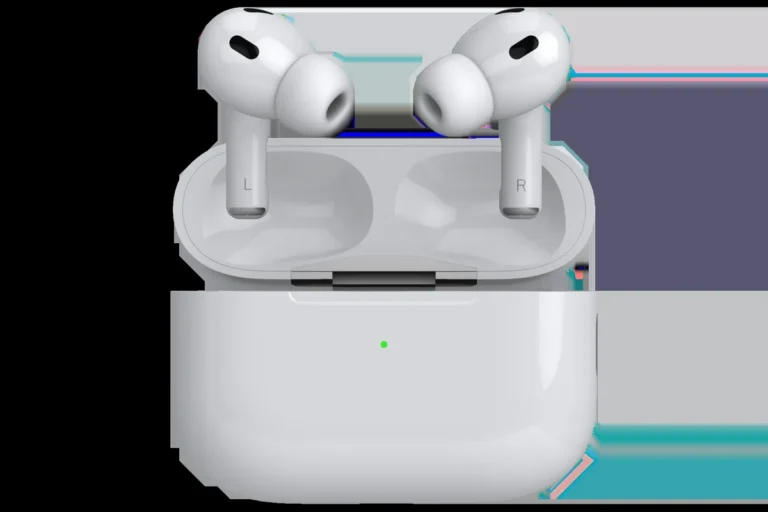
Traditional wired earbuds are light and inexpensive. Many modern true wireless earbuds use small batteries, touch controls, microphones, and charging cases. Some models include soft tips that create a partial seal, which makes them closer to in-ear headphones.
Earbuds work well for:
- Short trips
- Office use
- Phone calls
- Light exercise
- People who dislike deep ear tips
Their fit can vary from person to person. A loose fit may reduce bass and make the earbuds fall out during movement.
2. In-Ear Headphones and In-Ear Monitors
In-ear headphones sit inside the ear canal. Most use silicone or foam ear tips to create a seal.
An in-ear monitor, often called an IEM, is a type of in-ear headphone designed for detailed listening. Musicians use professional IEMs to hear vocals and instruments on stage. Many music fans also use them for daily listening.
The seal can improve bass and reduce outside noise. Passive isolation means the ear tips block sound without electronic noise cancellation.
In-ear headphones are useful for:
- Travel
- Music listening
- Stage performance
- Gaming
- Noisy offices
- Small, portable setups
The main trade-off is comfort. The wrong tip size can cause pressure, poor sound, or ear fatigue. Try a different tip size if the earphones feel loose or painful.
3. On-Ear Headphones
On-ear headphones use ear cups that rest on the outer ear. They do not fully surround the ear.
This design is often lighter and smaller than an over-ear model. It may feel cooler during long use. However, the ear pads can press on the ears, and outside sound can enter more easily.
On-ear headphones suit:
- Home and office listening
- Walking
- Portable music players
- Users who want a lighter headset
- People who find over-ear cups too large
Some on-ear models leak sound. This can disturb nearby people in quiet places.
4. Over-Ear Headphones
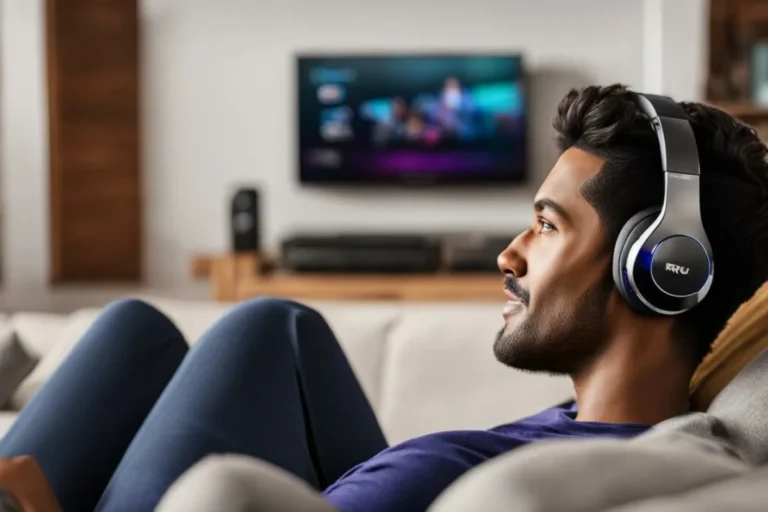
Over-ear headphones have large ear cups that surround the ears. The pads rest on the head instead of pressing directly on the ear.
This design can provide a wide, relaxed sound and good passive isolation. Closed-back over-ear headphones block more outside sound. Open-back models allow air and sound to pass through the ear cups.
Over-ear headphones are often best for:
- Long listening sessions
- Home music use
- Studio work
- Gaming
- Air travel
- People who want strong comfort
They are less portable than earbuds. They can also feel warm, especially in a hot room.
5. Open-Ear Headphones
Open-ear headphones sit near the ears rather than sealing the ear canal. They send sound toward the ear while leaving the ear open.
Some open-ear designs use small speakers near the ear. Others use a directional speaker that aims sound at the listener.
Open-ear headphones may help people who need to hear:
- Traffic
- Coworkers
- Doorbells
- Public announcements
- Outdoor sounds
They do not provide the same privacy or bass as sealed headphones. Other people may hear some of the sound, especially at high volume.
Open-ear headphones should not be treated as a guarantee of safety near roads or machinery. You still need to stay alert and follow local rules.
6. Bone-Conduction Headphones
Bone-conduction headphones rest near the cheekbones. They send vibrations through the bones of the head toward the inner ear instead of sending sound through the ear canal.
This design leaves the ear open. It may help runners, cyclists, and people who want to hear their surroundings.
Bone-conduction headphones usually have less deep bass than sealed headphones. Their sound may also change when the headset moves. They are not the same as medical hearing aids and should not replace professional hearing care.
Other Ways to Classify Headphones
The six types above describe the physical fit. Headphones can also belong to several other categories at the same time.
For example, one product may be:
- Over-ear
- Wireless
- Closed-back
- Noise-canceling
- Gaming-focused
- Equipped with a microphone
These labels describe different features. They are not always separate physical types.
Wired Headphones
Wired headphones connect to a device with a cable. Common connectors include:
- 3.5-millimeter audio plugs
- 6.35-millimeter plugs for some audio equipment
- USB-A
- USB-C
- Lightning on some Apple devices
Wired models do not need a wireless battery. They can provide a simple connection with low delay. However, newer phones may not include a 3.5-millimeter jack.
Before buying, check the port on your phone, tablet, computer, game console, or audio interface. A passive adapter may change the connector but may not support every microphone or control function.
Wireless Headphones
Wireless headphones use radio communication instead of a headphone cable. Most consumer models use Bluetooth.
Wireless headphones offer:
- Fewer cables
- Easy phone use
- Built-in controls
- Hands-free calls
- Portable listening
They need power. Battery life can change with volume, noise cancellation, calls, and other features. Wireless performance can also vary with distance, walls, interference, and device support.
Bluetooth headphones may support different audio codecs. The phone and headphones must support the same codec for that mode to work.
True Wireless Earbuds
True wireless earbuds have no cable connecting the left and right sides. Each earbud has its own battery and wireless connection.
Most sets include a charging case. The case stores and recharges the earbuds.
Advantages include:
- Very small size
- Independent left and right earbuds
- Easy phone use
- Useful charging cases
Limits include small batteries, easy loss, and the need to keep both earbuds and the case charged.
Closed-Back Headphones
Closed-back headphones have solid outer ear cups. They reduce sound entering and leaving the headphones.
They are common for:
- Travel
- Recording
- Gaming
- Office use
- General music listening
Closed-back models do not block all sound unless they also use active noise cancellation. The fit of the pads has a major effect on isolation.
Open-Back Headphones
Open-back headphones have vents or grilles that allow air and sound to pass through the ear cups.
They can produce a spacious sound that many listeners prefer for home music use. They are not suited to noisy public places because outside sound enters easily and music leaks out.
Open-back headphones are best used in a quiet room. They are usually a poor choice for airplanes, libraries, and shared offices.
Semi-Open Headphones
Semi-open headphones sit between closed-back and open-back designs. They allow some air and sound through the ear cups.
Their sound and leakage depend on the exact design. The term is not always used in a consistent way, so check the manufacturer’s specifications and independent measurements when available.
Headsets
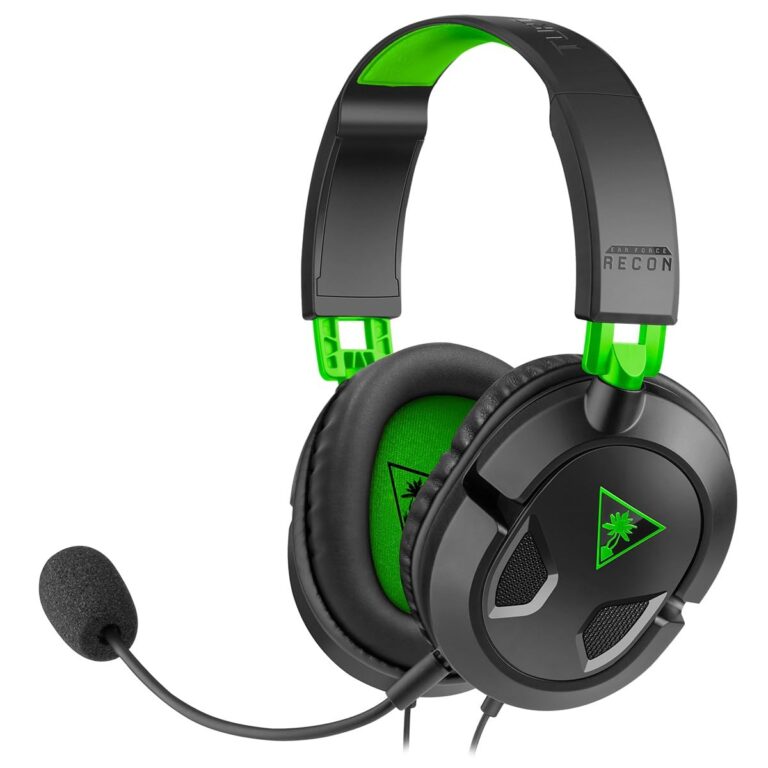
A headset is a pair of headphones with a built-in microphone. The term describes the microphone feature, not the ear-cup shape.
Headsets can be:
- Wired or wireless
- In-ear, on-ear, or over-ear
- Open-back or closed-back
- Made for gaming, calls, or work
A headset is useful when you need two-way communication. For voice calls, microphone placement and background-noise handling may matter more than music sound quality.
Noise-Canceling Headphones
Noise-canceling headphones use microphones and electronic processing to reduce some outside sounds.
There are two main forms:
- Passive noise isolation: Physical materials block sound.
- Active noise cancellation, or ANC: Electronic processing creates a signal that reduces certain outside noise.
ANC often works best with steady low sounds, such as airplane engines or air-conditioning. It may be less effective with sudden voices, claps, or irregular sounds.
Noise cancellation does not make headphones safe at any volume. You can still damage hearing by listening too loudly for too long.
Headphone Types by Use
The best headphone type depends on what you plan to do. A model that works well on an airplane may be poor for running or studio recording.
Headphones for Music
For music, start with fit and sound preference.
- Choose over-ear headphones for comfort and a broad sound.
- Choose in-ear monitors for detail and portability.
- Choose open-back headphones for quiet rooms and a spacious presentation.
- Choose closed-back headphones for travel and shared spaces.
No single sound profile suits every listener. Some headphones emphasize bass. Others aim for a more balanced sound.
Headphones for Gaming
Gaming headphones may include a microphone, surround processing, wireless audio, or console-specific support.
Before buying, check:
- PlayStation, Xbox, Nintendo Switch, PC, or mobile support
- Wired or wireless connection
- Microphone compatibility
- Chat and game-audio controls
- Wireless delay
- Comfort during long sessions
Virtual surround sound is a software feature. It does not mean the headset has separate physical speakers for every direction.
Headphones for Exercise
For exercise, fit and sweat resistance matter more than large drivers.
Common choices include:
- Secure in-ear headphones
- Earbuds with stabilizing wings
- Open-ear headphones
- Bone-conduction headphones
Check the product’s water or sweat rating. A water-resistance rating does not always mean the device can handle swimming. Follow the maker’s stated limits.
Headphones for Travel
Travelers often prefer closed-back wireless headphones with ANC. These can reduce steady cabin noise and avoid cable clutter.
In-ear models save space. Over-ear models may feel more comfortable during long flights.
Remember that batteries can run out. Carry a cable only if the headphones support wired audio when powered off. Some wireless models do not support every function through a cable.
Headphones for Work and Calls
Work headphones should have a clear microphone, stable connection, and comfortable fit.
A boom microphone often places the microphone closer to the mouth. Built-in earbud microphones are smaller and may pick up more room noise.
For open offices, ANC may reduce low background noise. It may not remove nearby speech. Consider whether you need to hear coworkers before choosing a sealed design.
Studio and Recording Headphones
Recording headphones are usually closed-back to reduce sound leakage into a microphone.
Mixing headphones may be open-back or closed-back, depending on the task and room. A headphone cannot replace room treatment, speaker monitoring, or trained listening.
Claims such as “studio quality” are not a standard performance rating. Look for measured response, comfort, repair options, and a known use case instead.
How Many Headphone Types Should You Count?
A practical count depends on the classification system.
| Classification method | Approximate count |
|---|---|
| Main wearing styles | 6 |
| Common connection types | 2 broad groups |
| Ear-cup acoustic designs | 3 |
| Common purpose-based groups | 5 or more |
| Full combinations of features | Dozens or more |
The most accurate short answer is:
There are six main headphone types by wearing style, but there are many more categories when connection, sound design, microphones, and purpose are included.
Do not add every feature as a new physical type. “Wireless,” “noise-canceling,” and “gaming” often describe features that can appear together in one product.
How to Choose the Right Headphone Type
Use your main activity as the starting point.
-
Choose where you will use them.
A quiet room allows open-back headphones. A plane or busy street calls for stronger isolation. -
Choose how much outside sound you need to hear.
Open-ear and bone-conduction designs leave the ear open. Sealed designs block more outside sound. -
Choose your preferred fit.
Try earbuds, in-ear tips, on-ear pads, or over-ear cups. Comfort varies widely between people. -
Choose wired or wireless.
Wired models avoid battery charging. Wireless models reduce cable clutter. -
Check device compatibility.
Confirm the connector, Bluetooth support, console support, microphone features, and operating system needs. -
Set a safe listening level.
The National Institute on Deafness and Other Communication Disorders advises reducing loud sound exposure. The World Health Organization also recommends safe listening practices, including lower volume and breaks. -
Check the return policy.
Fit is hard to judge from specifications alone. A return option can matter more than a small difference in listed features.
A simple decision guide looks like this:
- Need to hear your surroundings? Choose open-ear or bone-conduction headphones.
- Need strong travel isolation? Choose closed-back ANC headphones.
- Need the smallest option? Choose true wireless earbuds.
- Need long home listening? Consider over-ear headphones.
- Need recording? Consider closed-back headphones to limit microphone bleed.
- Need a wide, open sound in a quiet room? Consider open-back headphones.
- Need gaming chat? Choose a headset with a compatible microphone.
Common Mistakes When Comparing Headphones
Treating all earbuds as the same
Earbuds that rest in the outer ear differ from in-ear models that seal the canal. Their bass, isolation, comfort, and fit can be very different.
Assuming wireless means better
Wireless headphones are more convenient, but they need charging. Wired headphones may be simpler for a desk, studio, or audio interface.
Confusing noise isolation with noise cancellation
Ear tips and ear cups provide physical isolation. ANC uses electronic processing. A headphone may have one, both, or neither.
Choosing by driver size alone
A larger driver does not guarantee better sound. Tuning, fit, seal, enclosure design, electronics, and source quality also affect the result.
Ignoring the microphone
A headset can sound good but produce poor call audio. Check microphone tests, placement, wind handling, and background-noise performance when calls matter.
Using high volume to overcome outside noise
If you must raise the volume often, choose better-fitting tips, stronger isolation, or ANC. Loud listening can increase the risk of hearing damage.
Assuming water resistance means waterproof
Ratings have limits. Sweat, rain, immersion, salt water, and pool chemicals may affect a device in different ways. Follow the product instructions.
Headphone Safety and Hearing Protection
Headphones can be used safely, but sound exposure depends on both volume and time. The louder the sound, the less time your ears can safely tolerate it.
Use these habits:
- Keep the volume as low as practical.
- Take regular listening breaks.
- Use noise isolation or ANC instead of raising volume.
- Stop if you notice ringing, muffled hearing, pain, or unusual sensitivity.
- Do not rely on headphones to protect hearing around firearms, construction tools, or loud machinery.
- Use properly rated hearing protection for hazardous noise.
If ringing or muffled hearing continues after exposure, contact a qualified health professional. Headphones marketed as “safe” do not provide a universal guarantee for every listener or situation.
Frequently Asked Questions
Are earbuds and in-ear headphones the same?
Not always. Earbuds usually rest in the outer ear. In-ear headphones sit inside the ear canal and often use a sealing tip. Many sellers use the terms loosely, so check the fit description.
Which type of headphones is best for your ears?
No single type is best for everyone. A comfortable model used at a moderate volume is generally more suitable than an uncomfortable model that makes you raise the volume. Persistent pain, ringing, or hearing changes call for medical advice.
Are over-ear headphones better than earbuds?
Over-ear headphones can offer more comfort and a larger sound, but they are less portable. Earbuds are smaller and convenient. The better choice depends on fit, use, and personal preference.
What type of headphones is best for blocking noise?
Closed-back headphones with active noise cancellation usually provide strong overall noise reduction. In-ear models with a good seal can also block a large amount of outside sound without electronics.
What type of headphones is best for people who need to hear their surroundings?
Open-ear and bone-conduction headphones leave the ear canal open. They may help you hear nearby sounds, but they do not guarantee awareness or safety in traffic and other hazardous settings.
Conclusion
There are six main types of headphones by wearing style: earbuds, in-ear, on-ear, over-ear, open-ear, and bone-conduction headphones.
That number changes when you add wired and wireless connections, closed-back and open-back designs, ANC, microphones, gaming features, and professional uses. Start with where and how you will use the headphones. Then compare fit, isolation, comfort, compatibility, battery needs, and safe listening limits.