How Many Headphones Should You Own: Find Your Ideal Number

For most people in the United States, two or three pairs of headphones are enough. One pair can cover daily use, while a second pair can serve work, travel, exercise, gaming, or backup needs.
There is no fixed ideal number. The right amount depends on your routines, device needs, comfort, budget, and how often you use headphones. Buying more pairs only makes sense when each one solves a clear problem.

The Short Answer: Most People Need Two or Three Pairs
A simple headphone setup works well for many people:
- One main pair for music, calls, videos, or daily use.
- One special-purpose pair for exercise, travel, gaming, or work.
- One backup pair if you depend on headphones every day.
You may need only one pair if you have simple needs. You may need four or more if headphones are part of your job, hobbies, or daily travel.
The goal is not to build the largest collection. The goal is to own enough headphones to cover your real needs without creating clutter or waste.
A practical guide by lifestyle
| Listener type | Suggested number | Typical setup |
|---|---|---|
| Occasional listener | 1 | One comfortable pair for home and travel |
| Daily listener | 2 | Main pair plus backup or exercise pair |
| Remote worker | 2–3 | Work headset, personal pair, backup |
| Frequent traveler | 2 | Noise-canceling pair plus compact backup |
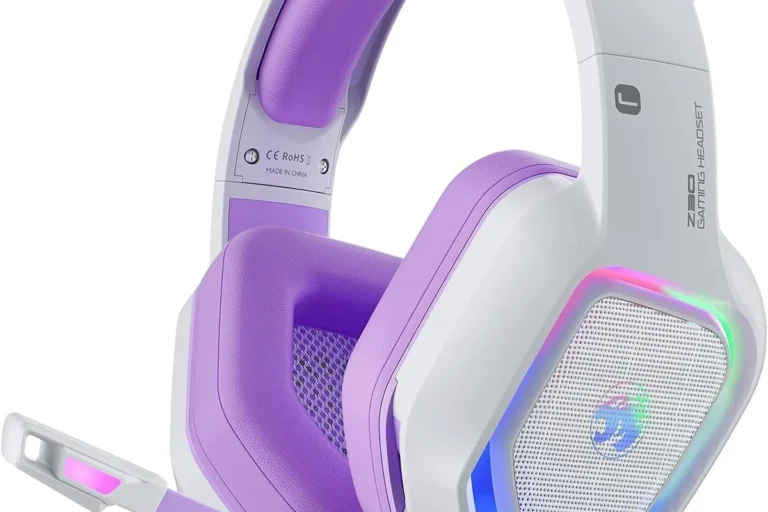
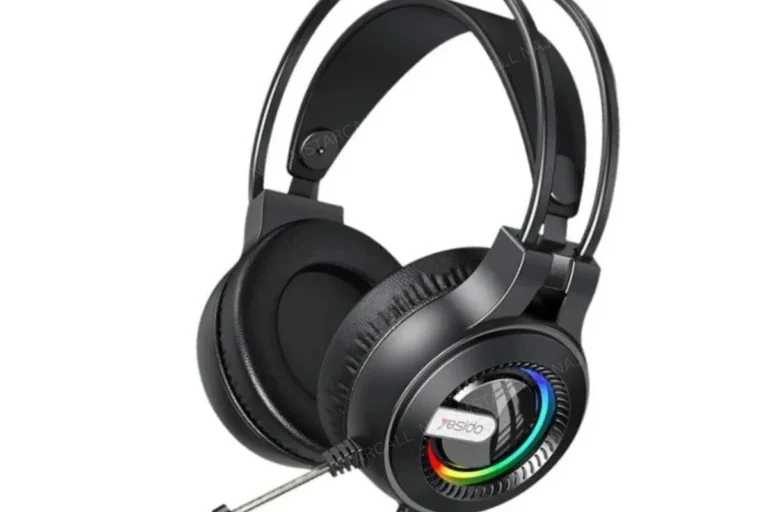
| Gamer or creator | 2–3 | Gaming headset, music pair, optional wired pair |
| Audio hobbyist | 3–6 or more | Different headphones for different sound and listening goals |
These numbers are starting points, not rules. A person who works from home may value a microphone more than a traveler does. A runner may need earbuds that stay in place, while a music listener may prefer large over-ear headphones.
The best test
Before buying another pair, ask:
- What problem will this pair solve?
- Can my current headphones solve that problem?
- Will I use the new pair at least several times each month?
- Do I need a different fit, connection, microphone, or sound style?
- Can I afford the purchase without delaying a needed replacement?
If you cannot name a clear use, you may not need another pair.
Why Different Headphone Types Matter
Different headphone designs suit different settings. Owning two types can be more useful than owning several similar pairs.
Earbuds
Earbuds are small and easy to carry. They work well for commuting, walking, phone calls, and exercise. Many true wireless earbuds also offer features such as noise control and transparency modes.
Their small size can make them easy to lose. Battery life also depends on both the earbuds and the charging case. Some people may find in-ear tips less comfortable over long periods.
On-ear headphones
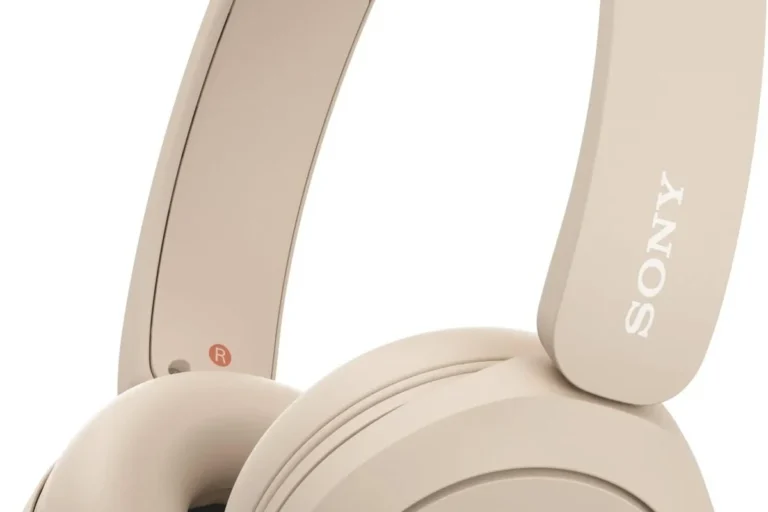
On-ear models rest on the outer ear. They are often lighter and smaller than over-ear models. They can work well for office use or short trips.
They may press on the ears after long sessions. They also tend to block less outside sound than closed over-ear headphones or noise-canceling earbuds.
Over-ear headphones
Over-ear headphones surround the ear. They can offer a comfortable fit, strong passive isolation, and a wide sound field. They are often a good choice for home listening, work, and long flights.
They are larger than other types. They can also feel warm, take up more bag space, and may be less practical for exercise.
Open-back headphones
Open-back headphones allow more sound to pass through the ear cups. They can provide a natural listening feel, but they leak sound and offer little isolation.
They are best for quiet rooms. They are usually a poor choice for airplanes, shared offices, libraries, and public transit.
Wired and wireless models
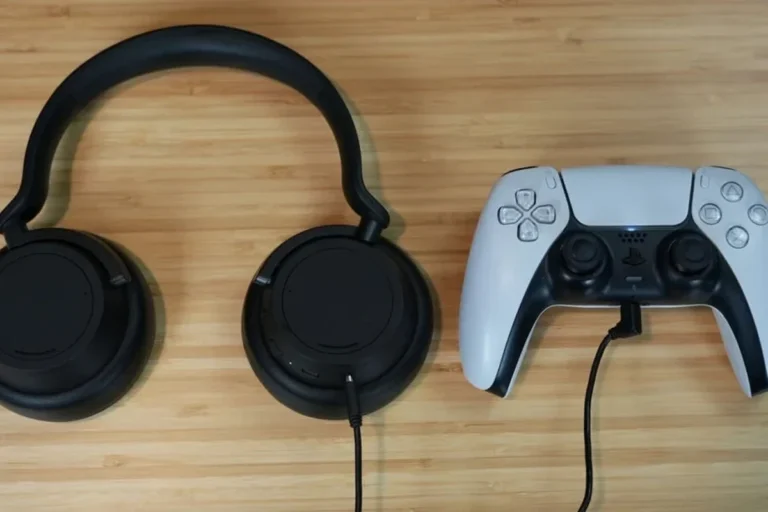
Wireless headphones offer convenience and often work well with phones and tablets. Wired headphones do not need charging and can be useful for computers, audio equipment, music production, and some gaming systems.
A wired pair can make a good backup even if your main headphones are wireless. However, you must check connector and device compatibility. Some modern phones and tablets need a USB-C or Lightning adapter.
A useful two-pair combination
For many people, the most useful combination is:
- Wireless earbuds for travel, calls, and exercise
- Over-ear headphones for home listening, work, or long sessions
This setup covers more situations than two pairs with the same design.

How to Decide How Many Headphones You Need
The best method is to list your listening situations first. Then match each situation with the features that matter.
Step 1: List your regular uses
Write down where and why you use headphones. Common uses include:
- Music at home
- Video calls
- Work or school
- Air travel
- Public transit
- Walking or running
- Gaming
- Recording or editing audio
- Watching television
- Sleeping or relaxing
Do not count rare situations too heavily. A need that occurs twice a year may not justify a separate pair.
Step 2: Identify the feature that changes the choice
Each use may require a different feature.
| Use | Features that may matter |
|---|---|
| Video calls | Clear microphone, comfort, stable connection |
| Air travel | Active noise cancellation, long battery life, comfort |
| Running | Secure fit, sweat resistance, awareness of traffic |
| Gaming | Low delay, microphone quality, platform support |
| Music at home | Comfort, sound quality, wired option |
| Office work | Lightweight design, call controls, isolation |
| Recording | Wired connection, accurate sound, low latency |
Active noise cancellation, or ANC, uses microphones and electronic processing to reduce steady outside sounds. It can help with airplane engine noise or air conditioners, but it does not remove every sound.
Step 3: Check whether one pair can cover more than one use
A versatile pair can reduce the number you need. For example, one wireless over-ear pair may work for:
- Work calls
- Travel
- Music
- Television
- Study
A second pair may still help if you exercise or need a backup.
Step 4: Count gaps, not wants
A gap exists when your current headphones fail in a meaningful way. Examples include:
- Your work pair hurts after an hour.
- Your travel pair has poor battery life.
- Your earbuds fall out during exercise.
- Your only pair is wireless and cannot be charged.
- Your microphone is too weak for regular calls.
- Your headphones do not work with an important device.
A new color, minor design change, or small sound difference may not be a real gap.
Step 5: Add a backup only when downtime matters
A backup pair is useful when you rely on headphones for work, school, travel, or communication. It does not need to match your main pair. A simple wired model may be enough.
If you use headphones only at home, a backup may not be necessary. You can replace the pair when it fails instead of storing another one.

When Should You Own One, Two, Three, or More Pairs?
The number of headphones you should own depends on how different your listening needs are.
One pair is enough when your needs are simple
Own one pair if you:
- Use headphones in only one or two settings
- Do not travel often
- Do not exercise with headphones
- Have no special gaming or recording needs
- Can charge the pair without trouble
- Do not need a backup
Choose a versatile model with a comfortable fit. Comfort often matters more than extra features because uncomfortable headphones tend to stay unused.
Two pairs work well for most daily listeners
Two pairs are often the best balance of cost and flexibility. A common setup is:
- One pair for general use
- One pair for a different setting
For example, you might use earbuds outside and over-ear headphones at home. You might also use a wireless pair for daily life and a wired pair for gaming or emergencies.
Three pairs make sense for distinct roles
Three pairs may be reasonable if each pair has a clear job:
- Work and calls
- Travel or exercise
- Music, gaming, or home use
Avoid buying three pairs that all have the same fit and features. If they overlap too much, one or more may spend most of its time in a drawer.
More than three pairs may suit enthusiasts or professionals
A larger collection can make sense for:
- Audio engineers
- Musicians
- Content creators
- Frequent travelers
- Gamers who use several platforms
- People who compare sound signatures as a hobby
This is a hobby choice, not a general need. More headphones also mean more charging, storage, cleaning, cable management, and battery aging.
A simple value calculation
You can estimate whether a new pair is worth buying:
Value per use = purchase price ÷ expected number of uses
This is only a planning tool, not a measure of sound quality.
For example, a $150 pair used 300 times has an estimated cost of $0.50 per use. A $40 pair used five times has an estimated cost of $8 per use. The cheaper pair may be the worse value if it does not fit your routine.
How Many Headphones Are Too Many?
You may own too many headphones when your collection creates more problems than it solves.
Common warning signs include:
- Several pairs serve the same purpose.
- You forget which pair is charged.
- You avoid using older pairs because newer ones look more appealing.
- You keep buying similar models without testing your current ones.
- You have no safe place to store them.
- Ear pads, cables, or batteries are aging unused.
- You cannot explain why you own each pair.
- Purchases create debt or financial stress.
The number itself is not the problem. A person with five well-used pairs may have a more practical collection than someone with two unused pairs.
Consider battery aging
Wireless headphones use rechargeable batteries. These batteries lose capacity over time, even when the headphones receive light use. Some wireless models also become difficult to repair when the battery wears out.
This creates a practical reason to avoid buying many pairs “for later.” A stored wireless pair may age before you use it.
Check the manufacturer’s repair, replacement, and warranty information before treating a wireless model as a long-term backup. A wired pair can be a simpler emergency option.
Store headphones in a clean, dry place
Keep headphones away from:
- Direct heat
- High humidity
- Heavy pressure
- Loose bags with sharp objects
- Pets and young children
- Liquids and sweat when the model is not water-resistant
Follow the manufacturer’s cleaning instructions. Do not assume that a water-resistant rating makes headphones safe to submerge or safe for every type of exercise.
Replace rather than collect when needed
Replace a pair when it has a serious fault, such as:
- A damaged cable
- A swollen battery
- Exposed wiring
- Excessive heat
- A cracked charging case
- Sudden loss of one channel
- A fit that causes pain
Stop using headphones if the battery becomes swollen, unusually hot, or damaged. Follow local rules for battery and electronic waste disposal.
Headphone Safety: More Pairs Do Not Mean Safer Listening
Owning several headphones does not protect your hearing. Volume and listening time matter more than the number of pairs.
The National Institute for Occupational Safety and Health uses 85 decibels over eight hours as a recommended exposure limit for workplace noise, with less safe exposure time as sound levels rise. This guidance is for occupational noise and does not set a personal headphone limit, but it shows why louder sound requires less listening time.
The National Institute on Deafness and Other Communication Disorders warns that repeated exposure to loud noise can contribute to noise-induced hearing loss. Warning signs include ringing, muffled hearing, or trouble understanding speech after listening.
Use these habits:
- Keep the volume as low as practical.
- Take quiet breaks during long sessions.
- Avoid raising the volume to compete with traffic or crowd noise.
- Use well-fitting headphones to reduce the urge to turn them up.
- Follow device volume warnings when they appear.
- Do not use noise-canceling headphones to block important safety sounds near roads or traffic.
- Stop listening and seek medical advice if ringing or muffled hearing persists.
The World Health Organization and International Telecommunication Union have also published safe-listening recommendations for personal audio devices. These include exposure tracking and volume controls. The exact risk depends on sound level, duration, frequency, and individual sensitivity.
For children, parents should use extra care. NIDCD notes that children may be exposed to loud sounds through personal audio devices, concerts, toys, and other sources. Ask a pediatrician or hearing professional for personal advice when a child has hearing concerns.
Common Mistakes When Buying More Headphones
Buying for a small feature change
A new codec, color, control layout, or sound mode may not justify another purchase. Buy when the change solves a problem you actually have.
Ignoring comfort
A pair can have strong specifications and still be a poor choice if it hurts your ears, creates pressure, or feels too hot. Fit is personal. If possible, use a return period to check comfort during a normal session.
Confusing water resistance with waterproofing
Headphones may have different ratings and limits. Sweat, rain, shower water, and submersion are not the same test. Read the exact manufacturer guidance.
Forgetting device compatibility
Before buying, check:
- Bluetooth support
- Bluetooth multipoint needs
- Wired connector type
- USB audio support
- Gaming console compatibility
- Microphone support
- App and operating system requirements
A pair may connect to a phone but offer limited functions on a computer, television, or game console.
Using headphones that block too much sound outdoors
Noise isolation can improve music quality, but it can also reduce awareness. Use care around cars, bikes, trains, construction areas, and other hazards. In some places, local rules may limit headphone use while driving or cycling.
Treating reviews as personal proof
Reviews can reveal common issues, but comfort, fit, sound preference, and device needs vary. Look for evidence that matches your use rather than choosing a model because it has the highest general rating.
Key Takeaways
- Two or three pairs are enough for most people in the United States.
- One versatile pair is enough for simple listening habits.
- Add a second pair when you need a different fit, connection, or use.
- Add a backup when losing headphone access would disrupt work, school, or travel.
- Buy more only when each pair has a clear role.
- Consider comfort, compatibility, battery life, repair options, and safe listening.
- Your listening habits matter more than the size of your collection.
Frequently Asked Questions
Is it normal to own several pairs of headphones?
Yes. Many people own different headphones for work, travel, exercise, gaming, and home listening. The collection is practical when each pair has a distinct purpose and receives regular use.
Should I own headphones and earbuds?
You may benefit from owning both if you use headphones in different settings. Earbuds are easy to carry and often work well for exercise. Over-ear headphones may offer more comfort and isolation at home or during travel.
Are wired headphones a good backup?
Yes. A wired pair does not need charging and may work when a wireless pair has a dead battery. Check that the connector matches your phone, tablet, computer, or other device.
How often should you replace headphones?
Replace headphones when they no longer work safely, fit well, or meet your needs. Wireless battery life may decline over time. Replace damaged batteries, exposed wires, cracked parts, or headphones that become unusually hot.
Can headphones damage your hearing?
Headphones can contribute to hearing damage when they deliver loud sound for long periods. Keep the volume moderate, take breaks, and seek medical advice for ongoing ringing, pain, or muffled hearing.
Conclusion: Buy for Your Routine, Not for a Number
For most listeners, the right answer is one to three pairs of headphones. Start with one comfortable, versatile pair. Add another only when it serves a different need, such as exercise, travel, gaming, work calls, or backup use.
A useful collection should make daily life easier. If a new pair will not solve a clear problem, keep your money and use the headphones you already own.