How Much Do Noise Cancelling Headphones Cost: Price Guide

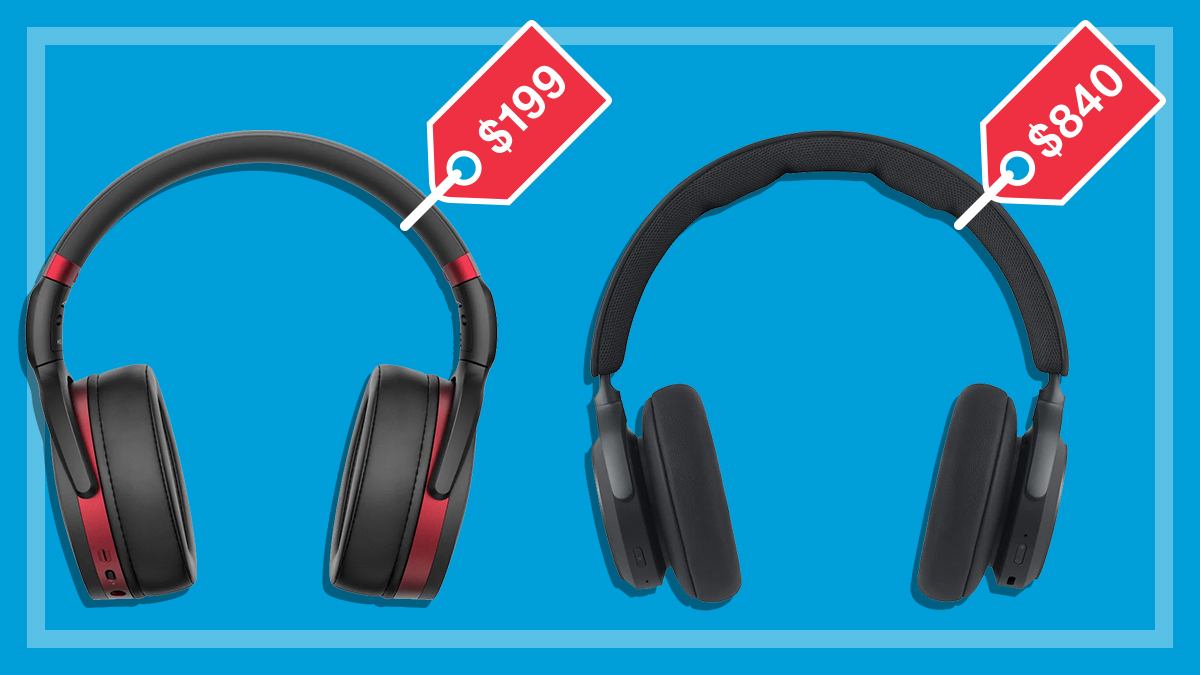
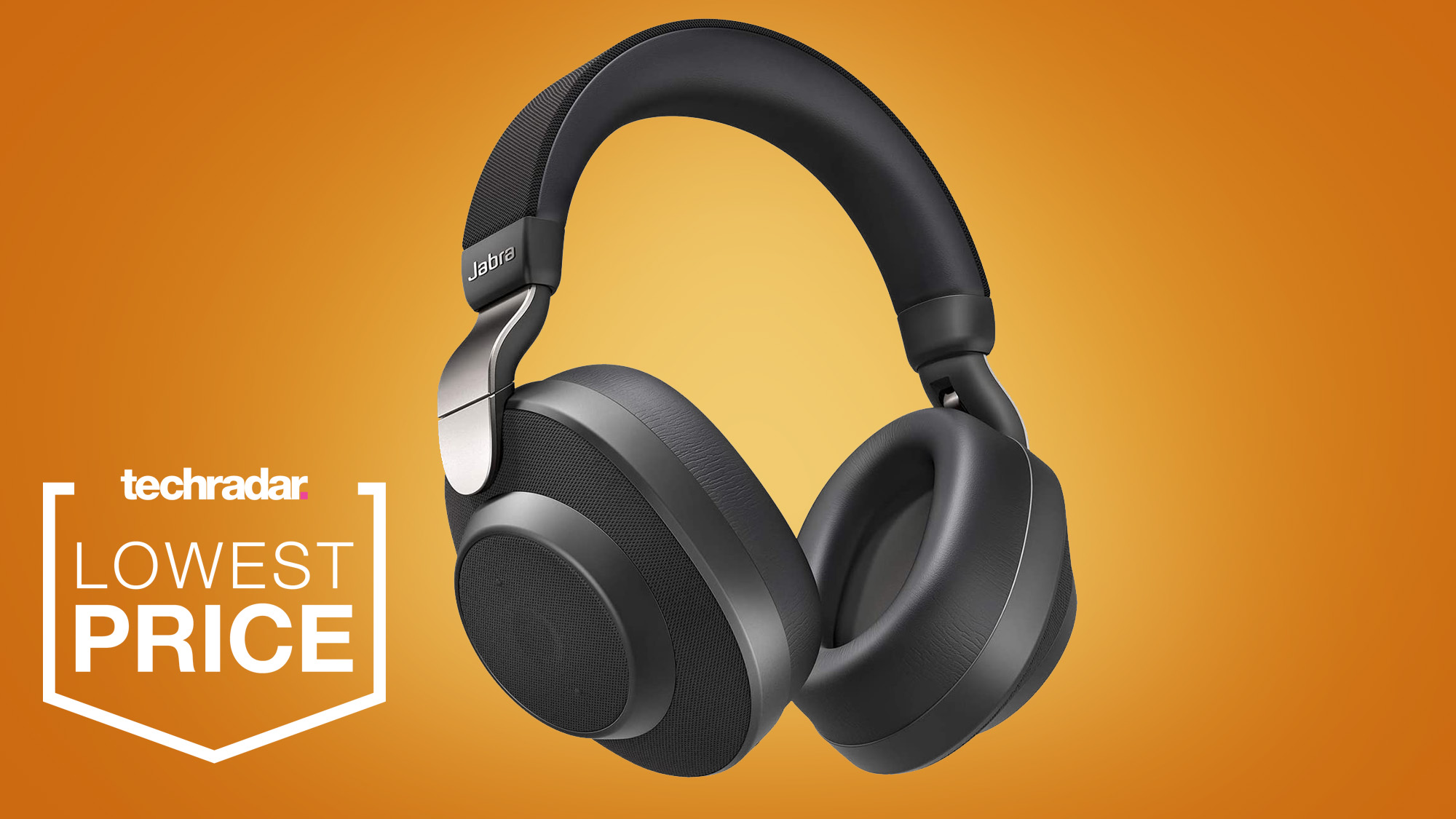
In the United States, noise-canceling headphones usually cost between $80 and $400. Basic models may sell for less than $80, while premium over-ear models can cost $300 to $550 or more. Noise-canceling earbuds often range from $50 to $300.
Your final cost depends on the headphone type, noise-control quality, battery life, comfort, brand, sales price, and extra features. A $120 pair may be enough for office use, while frequent flyers may benefit from spending closer to $250 or more.
These are typical U.S. planning ranges, not live prices. Retail prices change often, especially during holiday sales, back-to-school promotions, and major shopping events.
Typical Noise-Canceling Headphone Prices
Most shoppers can find a suitable pair of active noise-canceling headphones for $100 to $250. This range includes many good choices for work, travel, study, and daily use.
| Type | Typical U.S. price | Best for |
|---|---|---|
| Basic passive-isolating headphones | $20–$80 | Blocking some room noise |
| Entry-level ANC headphones | $50–$120 | Casual use and light travel |
| Mid-range ANC headphones | $120–$250 | Work, school, commuting, and flights |
| Premium ANC headphones | $250–$550+ | Frequent travel and demanding users |
| ANC earbuds | $50–$300 | Small size and portability |
| Wired noise-isolating headphones | $15–$100 | Low cost and no battery charging |
ANC means active noise cancellation. These headphones use microphones to detect outside sound and create an opposite sound wave. This works best with steady sounds, such as airplane engines, air conditioners, buses, and office fans.
Passive isolation is different. It comes from the ear cups or ear tips physically blocking sound. Many products use both passive isolation and active noise cancellation.
The most expensive model is not always the best value. A mid-range pair may offer strong noise reduction, good comfort, and a long battery life without the price of luxury features.

How Much Should You Spend on Noise-Canceling Headphones?
The right budget depends on how and where you use them.
Spend $50 to $100 for basic ANC
This price range can work for:
- Online classes
- Light office use
- Short commutes
- Background noise at home
- Occasional travel
Low-cost models often provide useful noise reduction, but they may have weaker microphones, less comfortable ear pads, and shorter software support. They may also produce more electronic hiss when no music is playing.
At this level, check the return policy. Comfort and fit vary widely, and product descriptions do not show how a headset will feel after two hours.
Spend $100 to $250 for the best overall value
This is the most practical range for many U.S. buyers. Models in this group often include:
- Effective ANC for buses, planes, and offices
- Bluetooth multipoint connection
- Better microphones
- Longer battery life
- More comfortable padding
- App-based equalizer controls
- Transparency or ambient sound mode
Bluetooth multipoint lets the headphones stay connected to two devices, such as a phone and laptop. This feature can be more useful than a small improvement in sound quality.
Spend $250 to $400 or more for premium features
Premium headphones may offer better control of low-frequency noise, higher build quality, stronger microphones, and more refined sound. They may also include features such as:
- Adaptive noise cancellation
- Automatic transparency modes
- Wear detection
- Spatial audio
- Head tracking
- Advanced call processing
- Replaceable ear pads
- Premium travel cases
These features matter most if you wear headphones for many hours, travel often, or work in a noisy place. They matter less if you only use headphones for short sessions at home.

What Makes Noise-Canceling Headphones More Expensive?
Price differences usually come from several features rather than one single part.
Noise-canceling performance
Better ANC hardware needs microphones, signal processing, tuning, and software. More expensive models often handle a wider range of low and mid-frequency sounds.
ANC has limits, though. It may reduce engine noise well but struggle with sudden sounds, nearby speech, clattering dishes, or a barking dog. No consumer headphone can make a busy room silent.
Comfort and fit
Comfort can justify a higher price when you wear headphones for long periods. Look for:
- Soft ear cushions
- Moderate clamping force
- A padded headband
- Low weight
- Enough room for your ears
- A stable fit when walking
A headset that sounds good but causes pressure after 30 minutes may be poor value. Fit also affects noise reduction. A loose seal lets outside sound in, while an overly tight seal can become uncomfortable.
Battery life
Wireless ANC headphones need power for Bluetooth and noise cancellation. Battery claims usually depend on test settings, such as volume level and whether ANC is enabled.
A longer battery rating can reduce charging problems, but it should not be the only deciding factor. USB-C charging, quick-charge support, and the ability to listen with a cable may be more useful for some travelers.
Microphone and call quality
A headset can sound excellent for music and still perform poorly on phone calls. Microphones must separate your voice from wind, traffic, and other background sound.
If you work from home or take calls in public, read call-quality tests or user reports for the exact model. Do not assume that a high headphone price guarantees a clear microphone.
Materials and repair options
Premium models may use stronger hinges, better plastics, metal parts, or replaceable ear cushions. These parts can affect long-term ownership cost.
Check whether the manufacturer sells replacement pads and lists battery or repair support. A lower-priced headset that lasts two years may cost more over time than a costlier model that lasts four years.

Noise-Canceling Headphones vs. Earbuds: Which Costs Less?
Noise-canceling earbuds usually cost less than premium over-ear headphones, but price and performance overlap.
Earbuds often cost $50 to $300. They are small, easy to carry, and useful for commuting. Their ear tips create a seal inside the ear canal, which can provide strong passive isolation.
Over-ear ANC headphones often cost $80 to $550 or more. Their larger ear cups may feel better for long flights and can provide a more spacious sound. They also take up more room in a bag.
Choose earbuds when:
- You want the smallest option
- You exercise or commute
- You prefer a light, compact design
- You already use a smartphone with compatible earbuds
Choose over-ear headphones when:
- You wear them for several hours
- You want less pressure inside the ear canal
- You travel often
- You need longer battery life
- You want physical buttons or a larger control surface
Earbuds can have higher replacement risk because they are small and easy to lose. Over-ear headphones may need replacement ear cushions after extended use.
How to Compare the Real Cost
The purchase price is only part of the total cost. Use this simple calculation:
Total ownership cost = purchase price + accessories + replacement parts − discounts or resale value
For example, consider this hypothetical comparison:
| Cost item | Budget model | Mid-range model |
|---|---|---|
| Purchase price | $80 | $180 |
| Replacement ear pads | $0–$25 | $25–$50 |
| Case or travel pouch | $0–$25 | Often included |
| Expected useful period | 2 years | 3–4 years |
| Approximate cost per year | $40–$65 | $45–$70 |
This is only an example. Actual lifespan depends on sweat, drops, battery wear, storage, and daily use.
Before buying, check these details:
- Does it include a case? A replacement case may cost $20 to $60.
- Can you replace the ear pads? Pads wear faster than the main electronics.
- Can you listen with a cable? This can help when the battery is empty.
- Does the warranty apply in the United States? Warranty terms vary by brand and seller.
- Is the app required? Some features may need a phone app, account, or software update.
- Does it support your devices? Check compatibility with your phone, tablet, computer, and gaming system.
Do not buy an extended warranty without checking its exclusions. Accidental damage, battery wear, lost earbuds, and water damage may not be covered.

How to Find a Lower Price
You can often reduce the cost without choosing the cheapest model.
Compare the current price with the normal price
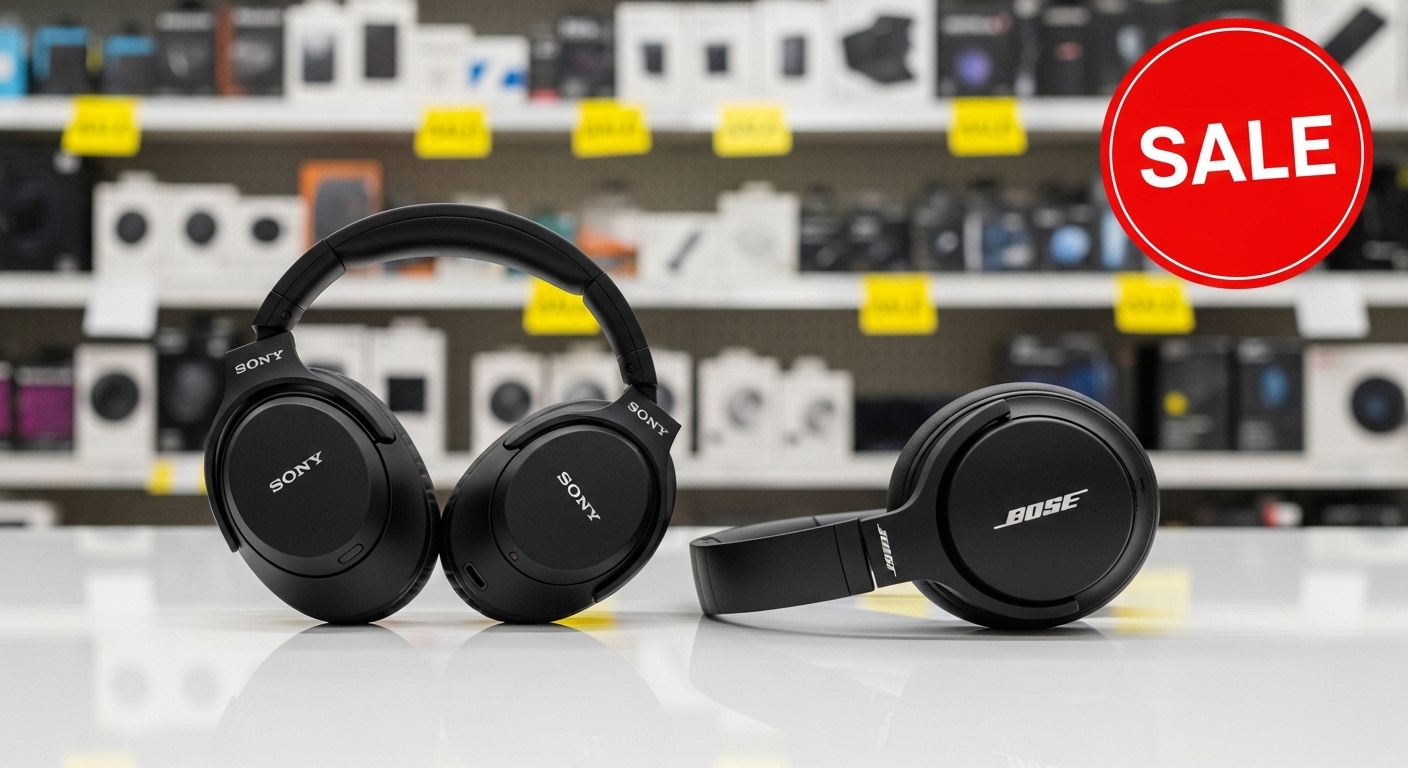
A product may be advertised as discounted even when the sale price is common. Compare prices across major U.S. retailers and the manufacturer’s website.
Look at the final checkout price. Shipping, sales tax, protection plans, and required accessories can change the total.
Consider an older model
Headphone brands often continue selling earlier models after launching a new version. An older model may offer most of the important features at a lower price.
Check whether the older model still receives firmware updates and whether replacement parts remain available.
Buy refurbished only with protection
Manufacturer-refurbished headphones can cost less than new ones. A safe purchase should include:
- A clear condition description
- A written warranty
- A return period
- A clean charging case for earbuds
- Confirmation that the battery has been inspected
Avoid listings that do not explain the seller, warranty, or return terms.
Avoid paying for features you will not use
Spatial audio, voice assistants, touch controls, and advanced app features may not matter to every buyer. A simpler model may offer better value if you mainly need comfort and reduced engine noise.
Common Buying Mistakes
The most common mistake is assuming that a higher price always means stronger noise cancellation. Price can also reflect materials, brand positioning, app features, design, or bundled accessories.
Other mistakes include:
- Buying without checking the return policy
- Ignoring ear cup size and headband fit
- Comparing battery claims from different test methods
- Assuming ANC blocks every type of sound
- Forgetting that earbuds can be easy to lose
- Skipping replacement-pad availability
- Buying a gaming headset when you need travel ANC
- Expecting a Bluetooth headset to work with every airplane entertainment system
- Using high volume to overcome poor fit
ANC headphones should not be used to block safety signals near traffic, construction equipment, or other hazards. Keep enough awareness of your surroundings when walking, cycling, or working around vehicles.
High volume can damage hearing over time. The Centers for Disease Control and Prevention advises reducing loud sound exposure and using hearing protection when needed. Noise-canceling headphones may help you listen at a lower volume in noisy places, but they do not make loud listening safe at every level.
Best Budget by Use Case
| Your main use | Practical budget | What to prioritize |
|---|---|---|
| Quiet home listening | $50–$150 | Sound quality and comfort |
| Office work | $100–$250 | ANC, microphone, multipoint |
| Daily commuting | $80–$220 | Fit, ANC, battery, transparency mode |
| Frequent air travel | $180–$400 | Low-frequency ANC and comfort |
| Studying in public | $70–$200 | Isolation, stable fit, battery |
| Phone calls | $100–$300 | Microphone performance and connection |
| Gaming | $80–$300 | Platform support, latency, microphone |
| Small travel setup | $50–$250 | Earbuds, case, battery, durability |
These ranges are starting points, not strict rules. A sale can move a premium model into a mid-range budget. A low-priced model can also be enough when you mainly want less background sound at home.
Key Takeaways
- Most good noise-canceling headphones cost $100 to $250 in the United States.
- Basic ANC models often cost $50 to $120.
- Premium over-ear headphones can cost $250 to $550 or more.
- ANC earbuds commonly cost $50 to $300.
- Comfort, fit, microphone quality, battery life, and repair options can matter more than brand name.
- For frequent flights, a budget near $200 to $400 is reasonable.
- For occasional home or office use, $80 to $150 may be enough.
- Compare the full ownership cost, not only the sticker price.
Frequently Asked Questions
Are noise-canceling headphones worth the money?
They can be worth the money if you often use them near steady background noise or wear them for long periods. ANC can make flights, commutes, offices, and shared homes more comfortable.
They may not be worth a premium price if you use headphones only in quiet rooms. In that case, sound quality and comfort may matter more than advanced noise cancellation.
Is $50 enough for noise-canceling headphones?
Yes, $50 can buy entry-level ANC headphones or earbuds, especially during a sale. Expect more limits in comfort, microphone quality, sound tuning, and noise reduction than with mid-range models.
Check independent tests and the return policy before buying at this price.
Are expensive noise-canceling headphones better?
Expensive models often offer better comfort, materials, call quality, controls, and noise processing. However, they are not automatically better for every listener.
The best value depends on the exact model and your use. A $150 headset may meet your needs as well as a $350 headset if you do not need premium call features or long travel comfort.
Do noise-canceling headphones use more battery?
Yes. Active noise cancellation uses microphones and digital processing, so battery life may be shorter when ANC is enabled. Manufacturers often list separate battery estimates for ANC on and ANC off.
Keep a charging cable or power bank available for long trips. Some models can also work with a wired connection when the battery is empty, but not all features may work in wired mode.
Can I use noise-canceling headphones on an airplane?
Yes. ANC headphones can reduce the steady engine sound found on many flights. Bluetooth use depends on the airline’s rules and the aircraft’s entertainment system.
Some airplane seat systems require a wired connection. A compatible cable or Bluetooth airplane adapter may be useful, but confirm the headphone and airline requirements before travel.
Conclusion
For most people in the U.S., a budget of $100 to $250 is a sensible starting point for noise-canceling headphones. Choose closer to $50 to $100 for occasional use, or consider $250 and above when comfort, travel performance, and call quality are major priorities.
Compare fit, ANC performance, battery life, microphone quality, warranty coverage, and replacement parts. The right pair is not simply the most expensive one. It is the model that reduces the sounds you face, fits comfortably, and remains useful long after the first purchase.