How To Fold JBL Headphones: Easy Step-By-Step Guide

Introduction
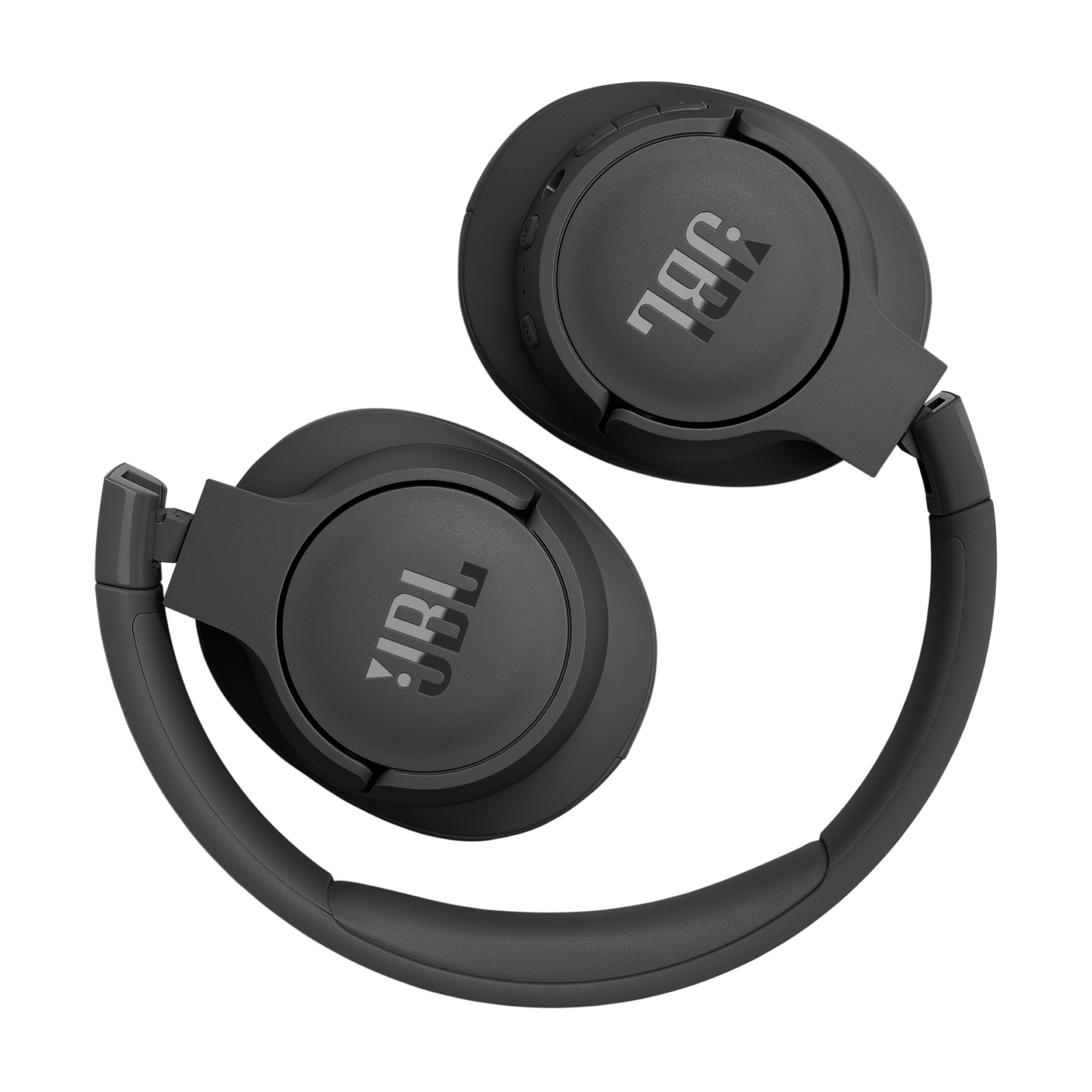
Most JBL over-ear and on-ear headphones fold at the side hinges near the ear cups. To fold them, turn the ear cups inward or flat, depending on the model, and move them only along the path allowed by the hinges. Do not force the cups or twist the headband.
JBL sells many headphone lines in the United States, including Tune, Live, Club, and Tour models. Their folding designs are not all the same. Some fold flat, some fold inward, and some do not fold at all. The safest method is to identify the hinge, move one side at a time, and stop if you feel strong resistance.

Which JBL Headphones Can Fold?
Most foldable JBL headphones have visible hinges or swivel joints between the headband and the ear cups. These joints may let the cups:
- Fold inward toward the headband
- Turn flat for storage
- Swivel slightly to rest around your neck
- Use both movements in sequence
Some JBL headphones have only a small swivel action. Others have a full folding system. A headphone may look foldable but still have a fixed headband, so appearance alone is not enough.
Common JBL headphone families may use different designs even when they look similar. For example, one Tune model may fold flat while another model in the same family may use a different hinge layout. Always check the exact model name printed on the headband, ear cup, box, or Bluetooth settings screen.
How to identify the model
Look for the model name in one of these places:
- The inside or outside of the headband
- The label on the original box
- The JBL app, if the headphones connect to it
- The Bluetooth device name on your phone
- The label inside the charging area or near a control panel
The model number matters because the correct folding direction can vary.

How to Fold JBL Headphones Step by Step
Follow these steps for most foldable JBL over-ear and on-ear headphones.
1. Remove the headphones from your head
Take the headphones off before folding them. Folding them while wearing them can place extra pressure on the hinges and headband.
Hold the headphones with both hands. Keep your thumbs near the hinge areas and your fingers around the ear cups.
2. Find the hinge on each side
Look at the point where each ear cup connects to the headband. This area may contain:
- A visible pivot
- A plastic joint
- A metal support arm
- A small marked swivel section
The hinge is the part designed to move. Do not bend the padded headband itself.
3. Collapse the headband if the model allows it
Some JBL headphones have a sliding headband. If the arms slide inward, shorten both sides before placing the headphones in a case.
Move each side by the same amount. This keeps the headband balanced and reduces stress on one hinge.
Do not pull the headband apart farther than needed. A headband that is stretched too far may crack or lose its shape.
4. Turn the ear cups inward
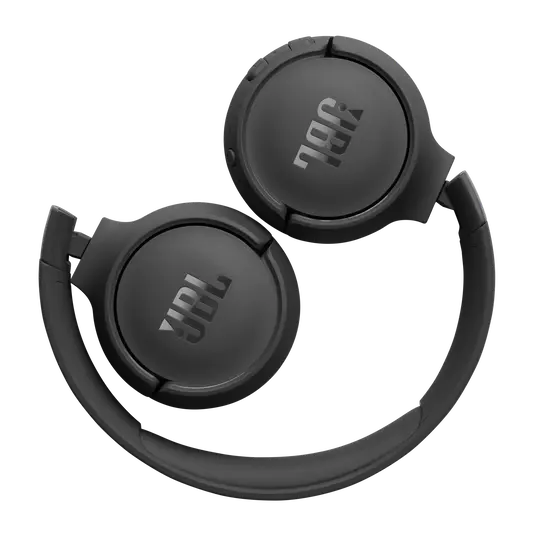
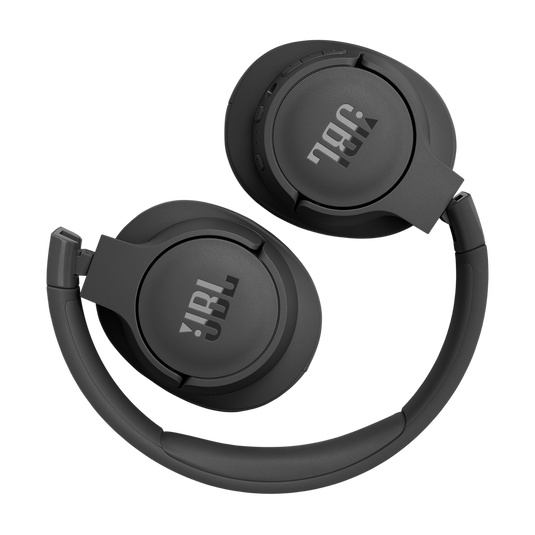
For many foldable JBL models, the ear cups rotate inward toward the inside of the headband.
Move one ear cup slowly. Then move the other side in the same direction. The cups should travel smoothly and stop at a natural resting point.
If a cup will not move, check whether the other side needs to be rotated first. Some designs fold in a set sequence.
5. Fold the ear cups flat when supported
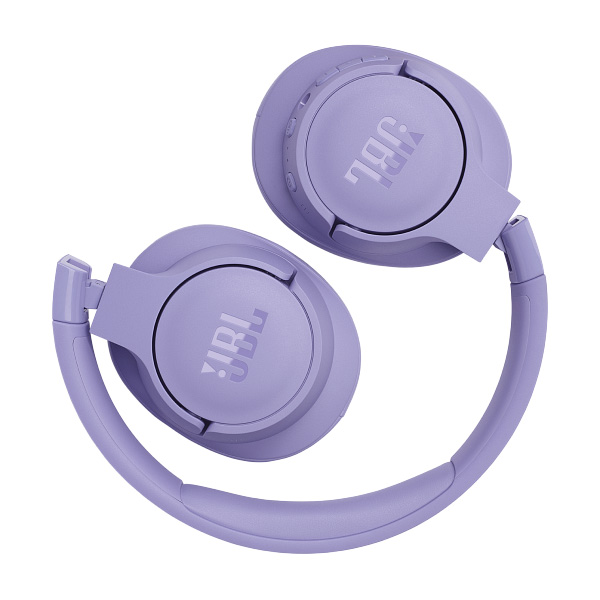
If the ear cups can turn flat, rotate them until they sit close to the headband or case. The ear cushions should not be sharply crushed.
A flat position may help the headphones fit in a carrying case. It may also let them rest around your neck with less bulk. The exact position depends on the hinge design.
6. Place the headphones in the case
Put the headphones into the case with the ear cups facing the shape shown by the case. If the case has a molded section, match the headband and cups to those spaces.
Avoid placing a cable, charging cord, or adapter across the hinge. A hard object pressed against the joint can cause damage when the case is closed.
The Correct Folding Direction Depends on the Model
There is no single folding motion for every JBL headphone. Use the hinge’s natural range as the deciding factor.
| Hinge behavior | Usual storage position | What to do |
|---|---|---|
| Ear cups rotate toward the headband | Inward-folded | Turn each cup inward slowly |
| Ear cups rotate outward and lie flat | Folded flat | Swivel each cup until it rests flat |
| Headband arms slide inward | Shortened size | Slide both arms evenly |
| Cups only turn for neck comfort | Partial swivel | Do not force a full fold |
| No visible hinge movement | Fixed design | Store without folding |
This table is a general guide, not a replacement for the manual for your exact model. The model’s user guide is the best source when the hinge motion is unclear.
How to tell if you are using the right motion
The correct folding motion usually has these signs:
- The hinge moves with light, steady pressure.
- Both sides move in a similar way.
- The ear cushion stays clear of the headband.
- The plastic does not flex sharply.
- The cup reaches a clear stopping point.
The wrong motion often causes clicking, creaking, uneven movement, or visible bending. Stop if any of these signs appear.
How to Fold JBL Headphones Without Damaging Them
The hinge and headband carry most of the stress during folding. A careful technique can help reduce wear.
Use both hands
Two hands give you better control. They also prevent one ear cup from twisting while the other side remains fixed.
Hold the headband near the hinges rather than pulling on the ear cushions. Cushions can tear, loosen, or become misshapen if used as handles.
Keep the movement slow
A slow movement lets you feel the hinge path. You should not need a sudden push, snap, or hard twist.
If the hinge feels stiff, inspect it before adding pressure. Dirt, a trapped cable, or a misaligned cup may be blocking the movement.
Do not fold the headband in half
The headband may flex slightly during normal use, but it is not usually the main folding joint. Bending it sharply can damage the internal frame or wires.
Fold at the side hinges instead.
Protect the ear cushions
Do not press the cushions against a sharp edge or force them into a case that is too small. Foam can stay compressed and leatherette covers can crease or split over time.
A case should close without strong pressure. If you must push down on the headphones to close it, use a larger case.
Keep moisture away from the hinges
Sweat and moisture can affect metal parts and electronics. Wipe the headphones with a soft, dry cloth before storing them.
Do not pour cleaner into a hinge or use liquid near charging ports, buttons, or microphones. If cleaning is needed, follow the care instructions in the JBL manual.

What to Do If Your JBL Headphones Will Not Fold
Do not force a JBL headphone that does not fold. First, determine whether it is designed to fold.
Check the model instructions
Search the official JBL support page for the exact model and open its user guide. Look for terms such as:
- Folding
- Swivel
- Storage
- Carrying case
- Adjusting the headband
Product photos can be misleading. The user guide should show the intended hinge movement.
Check for a locking position
Some hinges feel firm because they hold the ear cup in place during use. Move the cup gently through its normal range. Do not try to push past a firm stop.
A small amount of resistance can be normal. A hard stop with no visible movement usually means the cup has reached its limit.
Inspect for an obstruction
Check for:
- A charging cable caught near the hinge
- Fabric or hair inside the joint
- A case edge blocking the cup
- A twisted headband arm
- A cracked plastic part
Remove only loose material that you can reach safely. Do not insert a pin, knife, or metal tool into the hinge.
Stop if the hinge makes a new sound
A new crack, snap, or grinding sound may indicate a damaged part. Continued folding can turn a small problem into a broken hinge or exposed wire.
If the headphones are still under warranty, contact JBL support or the retailer before attempting a repair. Opening the headphones yourself may create additional damage.
Common Mistakes When Folding JBL Headphones
Several habits can shorten the life of foldable headphones.
Mistake 1: Twisting the cups in opposite directions
Most folding systems use a planned movement. Twisting one cup forward and the other backward can strain the headband.
Better approach: Move both cups along the same documented path.
Mistake 2: Pulling on the headband
The headband may stretch for fit, but it is not always a folding joint.
Better approach: Hold the frame near the side hinges.
Mistake 3: Forcing a non-folding model
Some JBL headphones have swivel ear cups but no inward-folding feature.
Better approach: Use the swivel only for the range shown in the manual.
Mistake 4: Packing the headphones while wet
Moisture trapped in a closed case can create odors and may affect metal parts.
Better approach: Let the headphones dry fully before storage.
Mistake 5: Closing an overfilled case
A tight case can press on the ear cups and hinge even when the folding movement is correct.
Better approach: Use a case with enough room for the folded shape and accessories.
How to Store Folded JBL Headphones
After folding, store the headphones in a dry, cool place away from direct sunlight. Heat can affect plastic, foam, and synthetic leather.
Use these storage habits:
- Place the ear cups in their natural folded position.
- Keep heavy items off the case.
- Do not wrap the cable tightly around the headband.
- Leave the charging port clear.
- Keep the headphones away from keys and other sharp objects.
- Avoid storing them in a hot car.
If you do not use a case, place the headphones on a clean, flat surface. Do not hang them by the cable. Repeated pulling can damage the cable connection.
Folded JBL Headphones: Signs of a Healthy Hinge
A healthy folding mechanism should move in a controlled way. It does not need to feel loose, but it should not require force.
Check for these signs:
- The left and right hinges move as designed.
- The ear cups remain aligned.
- There are no cracks around the joint.
- The headband stays centered.
- The cup does not wobble after folding.
- The headphones still fit normally when opened.
If one side moves differently from the other, compare the two hinges without forcing either one. Uneven movement can be a sign of wear or damage.
A little sound from plastic contact may occur on some models. A sudden loud snap, grinding sound, or loose cup is not a normal sign of safe folding.
Key Takeaways
- Identify the exact JBL model before folding it.
- Use the side hinges, not the middle of the headband.
- Move the ear cups slowly and with both hands.
- Some models fold inward, some fold flat, and some only swivel.
- Stop if the hinge resists strongly, cracks, or makes a new grinding sound.
- Store the headphones in a dry case that does not press on the cups.
FAQs About Folding JBL Headphones
Do all JBL headphones fold?
No. Some JBL headphones fold inward or flat, while others only swivel or have a fixed design. Check the exact model manual before applying pressure.
Which way should JBL ear cups face when folded?
The correct direction depends on the model. In many designs, the cups turn inward toward the headband. In others, they swivel flat. Follow the direction that the hinge supports naturally.
Can I fold JBL headphones while they are powered on?
Yes, folding usually does not depend on power. However, removing them from your head and handling them with both hands is safer for the hinges and headband.
Why does one side of my JBL headphone fold but the other does not?
The cups may use different hinge angles, or one side may be blocked by a cable or damaged part. Compare the model instructions and inspect the hinge. Do not force the side that stops.
Can I put folded JBL headphones in any case?
Use a case with enough space for the folded shape. A case that presses on the ear cups, controls, or hinges may cause damage over time.
What should I do if the hinge is cracked?
Stop folding the headphones. Keep the hinge in its least stressed position and contact JBL support or the seller, especially if the headphones are under warranty.
Conclusion
To fold JBL headphones, use the side hinges and follow the natural movement of the ear cups. The most common designs fold inward or swivel flat, but the correct motion varies by model.
If the headphones resist, do not force them. Confirm the model, check the official user guide, and inspect the hinge for an obstruction or damage. A slow fold, a correctly sized case, and dry storage can help protect the headphones for longer use.