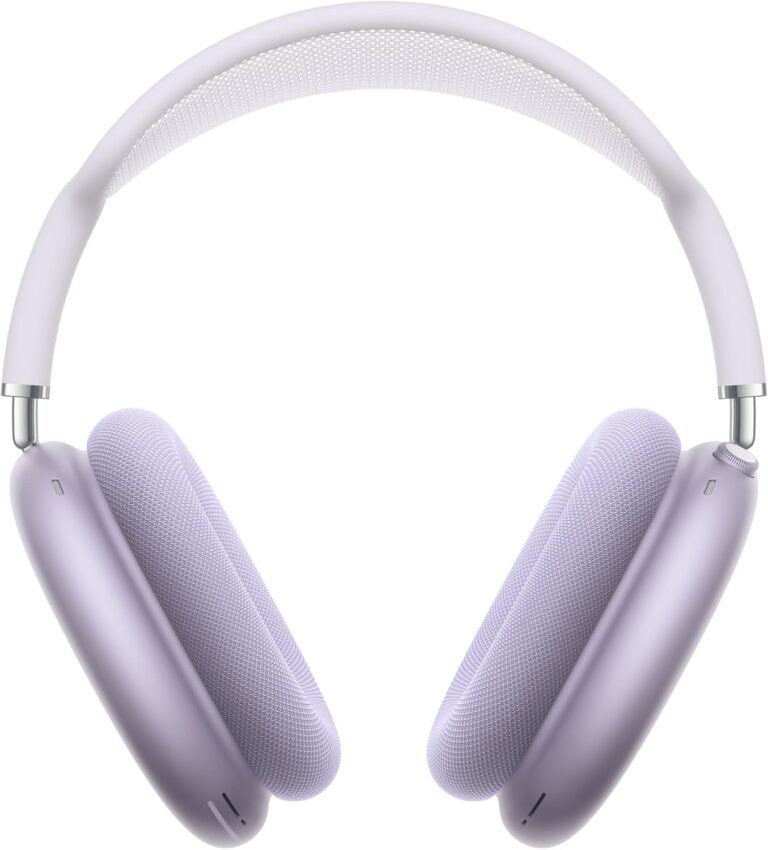
How Effective Are Noise Cancelling Headphones: Real Results

Noise-canceling headphones are very effective at reducing steady, low-pitched sounds such as airplane engine noise, subway rumble, bus vibration, and air conditioner hum. They are less effective against sudden or high-pitched sounds, such as voices, a crying child, a dog bark, or a door slam.
For people in the United States, the best choice depends on the noise, fit, listening volume, battery life, and whether the headphones must also protect hearing. Active noise cancellation can make a space feel much quieter, but it does not create silence and should not be treated as certified hearing protection.
This guide explains how noise cancellation works, what it can and cannot block, how it compares with earplugs, and how to use it safely.

What Does Noise Cancellation Do?
Noise cancellation reduces outside sound before it reaches your ears. Most modern headphones use two methods:
- Passive noise isolation: Ear cups or ear tips physically block sound.
- Active noise cancellation (ANC): Microphones detect outside sound, and the headphones create an opposite sound wave.
These two methods work together. ANC handles steady background noise, while the physical seal blocks some sound across a wider range.
How active noise cancellation works
A noise-canceling headset usually has small microphones on the outside, inside, or both sides of the ear cups. These microphones listen to nearby sound. A processor then creates an inverted version of that sound.
When the original sound and the inverted sound meet, they partly cancel each other. This process is called destructive interference.
The result is not perfect silence. The microphones and processor need time to detect and respond to sound. The system also works best when the noise is steady and predictable.
Passive isolation versus active noise cancellation
Passive isolation depends on the design of the headphones. Thick ear pads, a tight seal, and well-fitted ear tips can reduce sound without electronics.
ANC is different. It uses electronic processing to reduce sound, mainly in the low-frequency range. A headset with strong ANC but a poor seal may perform worse than a less advanced headset that fits well.
| Feature | Passive isolation | Active noise cancellation |
|---|---|---|
| Needs a battery | No | Usually yes |
| Best at reducing | Higher-pitched sound and general leakage | Low, steady background noise |
| Works when powered off | Yes | Passive isolation may still work |
| Affected by fit | Very much | Very much |
| Removes all sound | No | No |
The main lesson is simple: ANC is not a replacement for a good physical seal. The best performance comes from both methods working together.

How Effective Are Noise-Canceling Headphones in Different Situations?
Noise-canceling headphones work best when the sound is continuous, low, and close to the same level. Their results change with the type of noise and the way the headphones fit.
Airplanes
ANC headphones can reduce the deep engine rumble heard in an airplane cabin. This is one of their strongest use cases.
They may also make music, podcasts, and speech easier to hear because less background noise competes with the audio. They cannot fully remove cabin announcements, nearby conversations, food carts, or sudden changes in engine sound.
Passengers should still follow crew instructions. Some headphones have a transparency or ambient mode that lets outside sound pass through. This can help when listening for announcements.
Trains, buses, and subways
ANC can work well on trains and buses because these vehicles create a steady low-frequency rumble. It may also reduce vibration and road noise.
Subway performance varies. A train may produce both low rumble and sharp rail noise. ANC can reduce the rumble, but passive isolation may be more useful for high-pitched squeals.
Offices and home workspaces
ANC can reduce heating, ventilation, and air-conditioning noise. It may also soften computer fans and distant traffic.
Human speech is harder to block. Voices contain many frequencies and change often. Over-ear headphones with a strong seal can reduce conversation more than loose earbuds, but neither type guarantees silence in an office.
Coffee shops and public spaces
Noise cancellation may lower the general sound level in a busy café. It is less reliable when many people speak close to the microphones.
A transparency mode can be useful in these settings. It allows the listener to hear traffic, staff, or a nearby person without removing the headphones.
Traffic, alarms, and safety sounds
Do not rely on ANC to block or manage safety-critical sounds. It may reduce a car horn, bicycle bell, smoke alarm, emergency siren, or public announcement.
When walking, cycling, driving, or working near vehicles, keep enough awareness of the environment to act safely. In the United States, headphones can also be restricted by state or local rules in some driving and cycling situations.
Sudden sounds
ANC is usually weaker against short, unpredictable sounds. Examples include:
- A dropped object
- A hand clap
- A dog bark
- A door slam
- A baby crying
- A nearby person speaking
The headphones may reduce some of the sound, but they cannot predict a sudden event well enough to cancel it fully.

Why Noise-Canceling Headphones Do Not Block Every Sound
Noise cancellation has technical limits. Understanding those limits prevents disappointment and helps you choose the right device.
Low-frequency sound is easier to cancel
Low-frequency sound has long waves. A processor can often measure and counter steady low tones more easily.
High-frequency sound has shorter waves and changes more quickly. Small gaps around the ear can also let high-pitched sound enter. This is why ANC often reduces engine rumble better than nearby speech.
Fit changes the result
A poor fit can create a path for sound to enter. This is especially important with in-ear headphones.
For earbuds, try different ear-tip sizes. The correct tip should seal the ear canal without causing pain. For over-ear models, the ear cups should surround the ears and sit evenly against the head.
Glasses, hair, hats, earrings, and facial shape can weaken the seal. Even a small gap may reduce passive isolation.
Wind can reduce performance
Outdoor wind may strike the microphones and create unwanted noise. Some headphones use wind reduction software, but strong wind can still cause hiss or a rushing sound.
A hood, hat, or microphone shield may help. In severe wind, turning off ANC can sometimes sound better.
ANC can create pressure or a “vacuum” feeling
Some users feel ear pressure when ANC is turned on. The headphones do not usually create a true vacuum inside the ear. The sensation may come from the reduced low-frequency sound or from the brain adjusting to the changed sound field.
If ANC causes pain, dizziness, nausea, or a lasting headache, stop using it and try another model or mode. Persistent symptoms deserve medical advice.
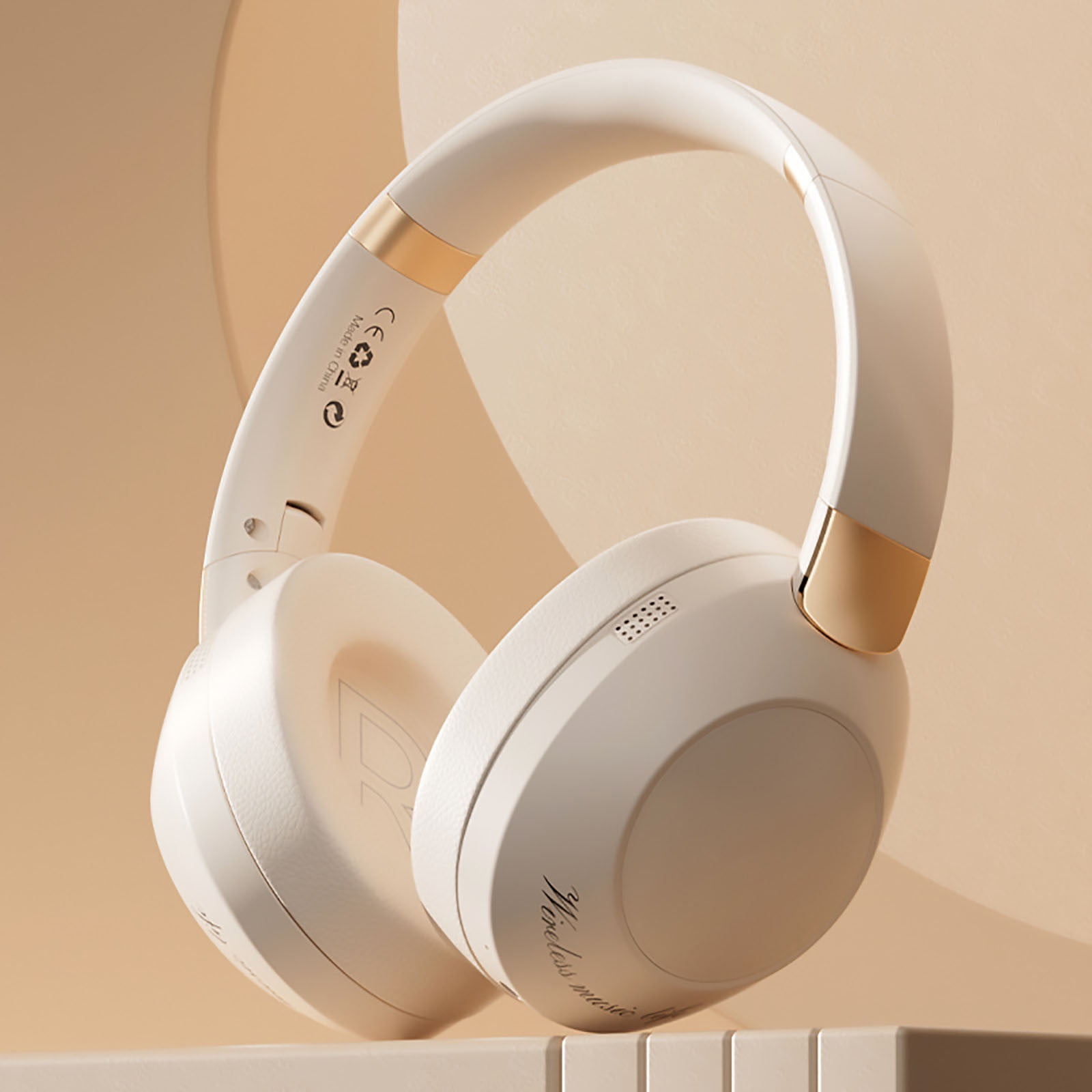
Active Noise Cancellation Versus Earplugs
Noise-canceling headphones and earplugs serve different goals. ANC improves comfort and listening in noisy places, while earplugs are designed to reduce sound entering the ear.
For workplace noise, use hearing protection that is selected and labeled for that purpose. In the United States, approved hearing protection typically carries a Noise Reduction Rating (NRR) on its packaging. The NRR applies to hearing protectors tested under specific conditions, not automatically to ordinary consumer headphones.
The Occupational Safety and Health Administration provides guidance on hearing conservation and workplace hearing protection. The National Institute for Occupational Safety and Health also explains noise exposure and hearing risk.
| Need | Usually more suitable |
|---|---|
| Reduce airplane engine rumble | ANC headphones |
| Hear music during a commute | ANC headphones |
| Reduce loud workplace noise | Rated hearing protection |
| Sleep beside steady noise | Earplugs or a purpose-built sleep device |
| Keep awareness of announcements | Headphones with transparency mode |
| Protect hearing at a concert | Music earplugs or other suitable protection |
Some people use earplugs under over-ear headphones. That can reduce sound more than either product alone, but it can also make music too quiet or encourage unsafe volume increases.
Do not assume that “noise canceling,” “noise isolating,” or “hearing protection” mean the same thing. Check the product label and intended use.

Can Noise-Canceling Headphones Protect Your Hearing?
Noise-canceling headphones can help you listen at a lower volume, but they are not automatically hearing protection.
When background noise is loud, people often raise the volume to overcome it. ANC can reduce that need. This may lower the risk caused by loud listening, especially during long trips.
However, ANC does not make high volume safe. Loud music can still damage hearing even when the outside world sounds quiet.
The National Institute on Deafness and Other Communication Disorders warns that repeated exposure to loud noise can cause noise-induced hearing loss. The Centers for Disease Control and Prevention also explains how sound level, exposure time, and distance affect risk.
Safer listening habits
Use these habits with any headphones:
- Keep the volume as low as practical.
- Take regular breaks during long listening sessions.
- Use ANC in noisy places so you do not need to overpower background sound.
- Check whether people nearby can hear your music.
- Avoid wearing headphones when you need to hear alarms, traffic, or work instructions.
- Seek medical advice for ringing, muffled hearing, pain, or a blocked-ear feeling that does not go away.
A common mistake is to turn ANC on and then increase the volume because the music feels less energetic. Use the quiet background to lower the volume, not to raise it.

How to Test Whether Your Headphones Work Well
You can perform a simple home check, but personal testing is not the same as a laboratory measurement.
A practical listening test
- Choose a steady sound, such as a fan, air conditioner, or recorded airplane cabin noise.
- Listen with ANC off at a comfortable volume.
- Turn ANC on without changing the volume.
- Notice whether the low rumble becomes softer.
- Repeat the test with different ear-tip sizes or headband positions.
- Test transparency mode and ANC mode in the same place.
- Try the headphones with music, speech, and no audio playing.
A good result is a clear reduction in steady background noise without strong hiss, crackle, pressure, or unstable sound.
Test the fit before judging the electronics
If one ear sounds louder than the other, check the seal first. An uneven fit can make a capable headset seem defective.
For earbuds, replace the ear tips and clean the speaker openings. For over-ear headphones, adjust the headband and check whether glasses or hair create a gap.
Check battery and software settings
ANC may perform differently when the battery is low or when a companion app changes the listening mode. Check:
- ANC strength or adaptive mode
- Wind reduction
- Transparency settings
- Firmware updates
- Equalizer settings
- Ear detection
- Single-earbud use
Some models use adaptive ANC. This feature changes the amount of cancellation based on the environment. It can sound natural, but it may not feel as strong as a fixed maximum mode.

What to Look For When Buying Noise-Canceling Headphones
The best model is not simply the one with the largest cancellation claim. Look at the complete design.
Choose the right form
Over-ear headphones often provide strong passive isolation and longer battery life. They are usually better for airplanes and long commutes, but they can be warm or bulky.
In-ear headphones are small and easy to carry. Their results depend heavily on ear-tip fit. They may work well for commuting, exercise, and travel.
On-ear headphones sit on the ear rather than around it. They are often lighter, but they may let in more sound and create less passive isolation.
Review these features
| Feature | Why it matters |
|---|---|
| Adjustable ANC | Lets you balance quiet, comfort, and awareness |
| Transparency mode | Helps you hear speech and announcements |
| Good passive seal | Supports ANC and reduces sound leakage |
| Multipoint Bluetooth | Lets you switch between devices |
| Wired mode | Useful when the battery is empty or wireless use is not allowed |
| Physical controls | Easier to use without opening an app |
| Replaceable ear tips or pads | Helps maintain fit over time |
| Battery indicator | Prevents unexpected loss of ANC |
| Wind control | Useful outdoors |
| Auto-pause | Convenient, but check that it does not interrupt audio by mistake |
Do not judge performance from the advertised maximum decibel number alone. Brands may use different tests, frequencies, and conditions. A larger number is not a universal measure of real-world performance.

Common Mistakes to Avoid
Several mistakes can make noise-canceling headphones seem less effective or less safe.
Expecting silence
ANC reduces sound. It does not remove every voice, alarm, or sudden noise. The right expectation is a quieter background, not a silent room.
Ignoring the seal
A loose ear tip or leaking ear cup can defeat much of the system. Fit should be the first troubleshooting step.
Using ANC as workplace protection
Consumer headphones may not have an NRR or workplace approval. If noise exposure is part of a job, follow the employer’s hearing conservation program and use the specified protection.
Increasing the volume too much
Quiet surroundings can make loud audio feel less noticeable. Set the volume at a level that does not cause discomfort and take breaks.
Wearing headphones when awareness matters
ANC can reduce awareness of vehicles, alarms, announcements, and people. Use transparency mode or remove the headphones when the situation requires full hearing.
Ignoring discomfort
Pain is not a sign that ANC is working better. Try a different fit, a different size, or another listening mode. Stop use if symptoms continue.

Frequently Asked Questions
Are noise-canceling headphones worth it?
They can be worth it if you often travel, commute, work near steady background noise, or listen in shared spaces. They are less useful if you mainly need to block sudden voices or sharp sounds.
Do noise-canceling headphones block voices?
They may reduce voices, but they usually do not block them completely. Speech changes quickly and contains many frequencies. A good ear seal, background audio, and strong passive isolation can improve the result.
Is ANC better than earplugs?
Neither is always better. ANC is convenient for travel and listening to audio. Earplugs are more suitable for many loud environments, especially when the product has an appropriate Noise Reduction Rating. Use the device designed for the task.
Can noise cancellation damage hearing?
ANC itself does not make the audio safe or unsafe. Hearing risk depends mainly on sound level and exposure time. Loud music can damage hearing even when ANC is active.
Why does one earbud cancel noise better than the other?
The most common cause is an uneven seal. Try another ear-tip size, clean the earbud openings, and reseat both earbuds. If the difference remains, check the app balance setting or contact the manufacturer.
Can I sleep with noise-canceling headphones?
Some people use them for sleep, but standard over-ear headphones may be uncomfortable and earbuds can cause pressure or irritation. Avoid blocking important alarms, and do not use headphones at a loud volume overnight.
Key Takeaways
- Noise-canceling headphones are strongest against steady, low-frequency noise.
- They are less effective against voices, alarms, wind, and sudden sounds.
- A proper ear-tip or ear-cup seal is essential.
- ANC can help you listen at a lower volume, but it is not automatically hearing protection.
- Use products with a suitable NRR for loud workplace or recreational noise.
- Choose transparency mode when you need to hear traffic, announcements, or people.
- Stop using a headset if it causes pain, dizziness, or lasting hearing symptoms.
Conclusion
Noise-canceling headphones are highly effective for reducing constant background noise, especially airplane, train, bus, and HVAC rumble. Their performance depends on the ANC system, the physical fit, the noise type, and the listening mode.
For most buyers, the practical choice is a comfortable headset with strong passive isolation, adjustable ANC, and a reliable transparency mode. Use it to reduce the need for high volume, not as a substitute for rated hearing protection or environmental awareness.