How Do Beats Noise Cancelling Headphones Work: Explained

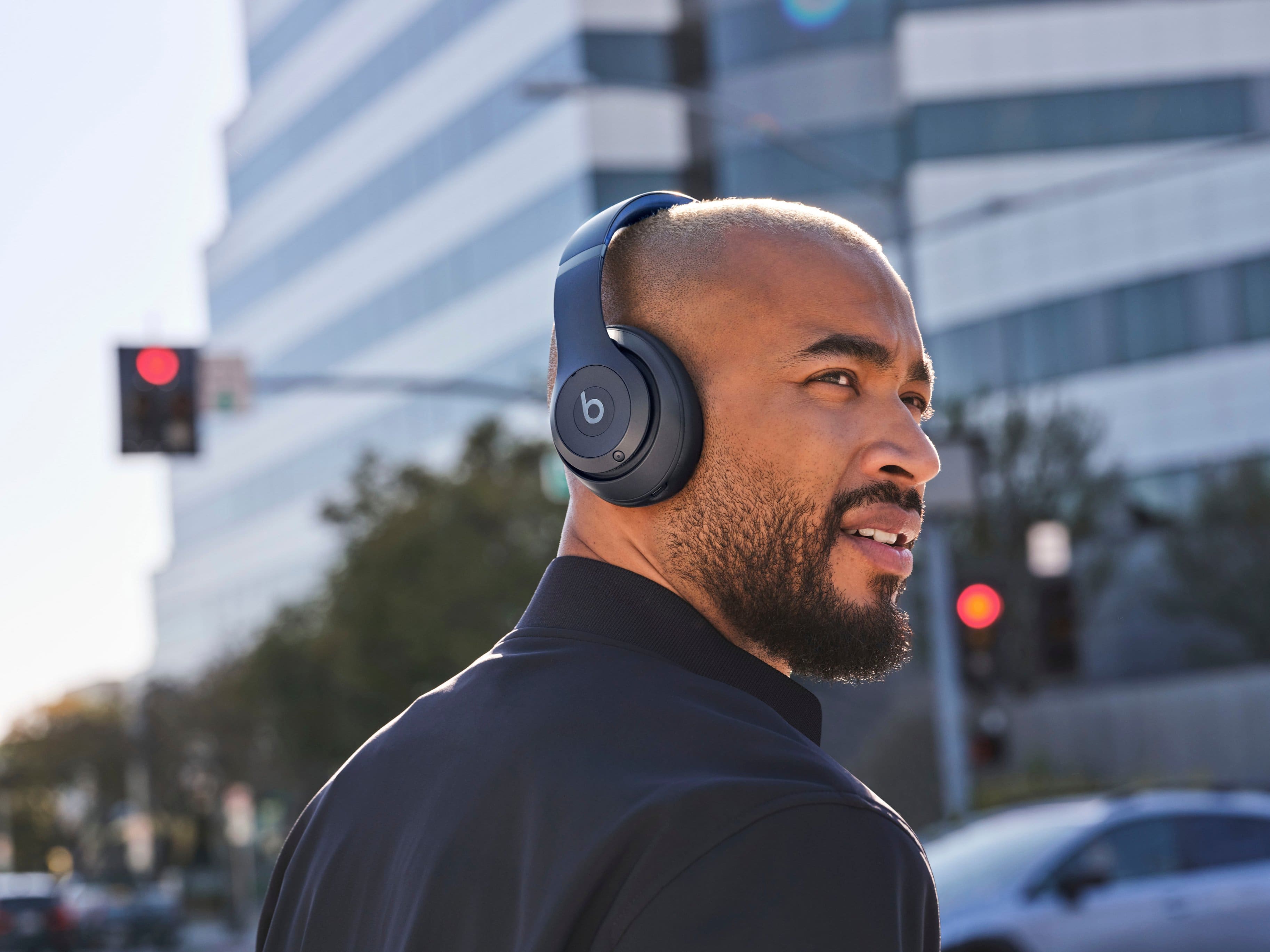
For people in the United States, Beats noise-cancelling headphones can make a subway ride in New York, a flight from Los Angeles, or a busy home office feel much quieter. They do this by using microphones, digital signal processing, and small speakers to create sound waves that reduce outside noise.
The key point is simple: active noise cancellation, or ANC, listens to unwanted sound and produces an opposite sound wave. The two waves meet, which lowers the noise you hear. Ear cups or ear tips also block some sound before the electronic system begins working.
Not every Beats headphone has ANC. Models such as Beats Studio Pro and Beats Studio Buds+ include active noise cancellation, while other models may offer only passive noise blocking or no noise cancellation at all. Always check the exact model and its current specifications before you buy.
What Is Noise Cancellation?
Noise cancellation is a method of reducing unwanted sound. It has two parts: passive noise isolation and active noise cancellation.
Passive isolation comes from the physical design of the headphones. Over-ear cushions cover your ears, while in-ear tips seal the ear canal. This can reduce some outside sound without using batteries or software.
Active noise cancellation uses electronics. Small microphones detect sound around or inside the headphones. A processor studies that sound and sends an adjusted signal to the headphone speakers.
Passive noise isolation versus active noise cancellation
| Feature | Passive isolation | Active noise cancellation |
|---|---|---|
| Main method | Physical barrier | Microphones and speakers |
| Needs power | No | Yes |
| Best at reducing | Higher-pitched sounds and general leakage | Low, steady sounds |
| Examples | Ear tips, ear cups, headband fit | Anti-noise signal |
| Works when battery is empty | Often, if wired or used passively | Usually not |
ANC does not make a perfect silent space. It works best when the unwanted sound is steady and predictable. Engine hum, airplane noise, air conditioners, and bus rumble are common examples.
It is usually less effective against sudden sounds. A dog bark, hand clap, nearby conversation, or car horn can change too quickly for the system to remove completely.
How Do Beats Noise Cancelling Headphones Work?
Beats noise-cancelling headphones use microphones to capture outside noise, a processor to analyze it, and speakers to play an opposing signal.
The process happens many times per second:
- Microphones detect outside sound.
- The digital processor analyzes the sound wave.
- The headphones create an inverse sound wave.
- The original noise and inverse wave meet.
- The combined sound becomes quieter at your ears.
This opposing signal is often called anti-noise. It is not simply a reversed recording of the world around you. The headphones must account for timing, volume, frequency, ear-cup shape, ear-tip fit, and the sound that reaches your ear.
A simple example
Imagine a sound wave moving upward at a certain moment. The ANC system creates a similar wave moving downward. When the waves meet, their energy partly cancels.
This is called destructive interference. It does not mean the headphones erase sound everywhere. The reduction happens mainly near the ear and depends on how well the system predicts and matches the incoming noise.
The basic idea can be shown as:
Outside noise + inverse sound wave = reduced sound at the ear
Real headphones use complex digital filters rather than a single simple opposite wave. They adjust the signal to match changing noise conditions.

The Main Parts Inside Beats ANC Headphones
Several parts work together to reduce noise. If one part performs poorly, the entire ANC system may seem weak.
External microphones
External, or feedforward, microphones listen to sound outside the headphones. They give the processor an early view of incoming noise.
This design can respond before the sound reaches your ear. However, outside wind and microphone placement can affect performance.
Internal microphones
Internal, or feedback, microphones listen inside the ear cup or earbud. They measure what remains after the speaker produces sound.
The processor can use this information to correct the signal. This helps account for changes in fit, ear shape, and the seal around the ear.
Hybrid microphone systems
Some ANC headphones use both external and internal microphones. This is called a hybrid system.
A hybrid approach can help the headphones respond to outside noise while also checking the result near the ear. The exact microphone design differs by Beats model.
Digital signal processor
The digital signal processor, or DSP, acts as the control center. It analyzes microphone input and calculates the anti-noise signal.
The DSP also helps manage:
- Music playback
- Voice calls
- Transparency mode
- Wind handling
- Adaptive noise control
- Battery use
Because the processor must react quickly, timing matters. A delay between the detected noise and the anti-noise can reduce cancellation or create an unwanted sound.
Speakers
The headphone drivers play both your music and the anti-noise signal. The anti-noise is not intended to be heard as a separate sound. Its goal is to reduce the unwanted signal at your ear.
Ear cups and ear tips
The physical fit remains important. A loose over-ear seal or the wrong ear-tip size can let outside noise enter around the electronic system.
This is why two people may get different results from the same Beats headphones. The product may be working normally, but the fit may not be creating a strong acoustic seal.

What Types of Noise Do Beats ANC Headphones Reduce Best?
Beats ANC headphones usually reduce low and steady sounds better than sudden or irregular sounds.
Sounds ANC usually handles well
- Airplane engine rumble
- Bus and train vibration
- Air-conditioning systems
- Fans
- Highway road noise
- Low mechanical hum
These sounds have patterns that the microphones and processor can detect. The system has more time to create a matching anti-noise signal.
Sounds ANC may reduce less effectively
- Human speech
- Children shouting
- Dogs barking
- Clapping
- Door slams
- Sirens
- Sudden traffic sounds
- Wind bursts
Passive isolation may still reduce some of these sounds. Music also masks part of the remaining noise, but masking is different from cancellation.
Why voices remain audible
Speech covers many frequencies and changes quickly. It also reaches the ear through several paths, including gaps around the ear cups and vibrations through the head.
ANC can reduce some speech, especially lower voices or background conversation. It cannot reliably remove every word. Transparency mode intentionally lets speech and other outside sounds through.

What Is the Difference Between ANC, Transparency Mode, and Adaptive ANC?
These modes serve different purposes.
Active Noise Cancellation
ANC reduces outside sound by generating anti-noise. It is useful when you want fewer distractions during travel, study, or work.
ANC does not mean complete silence. You may still hear high-pitched sounds, voices, and sudden events.
Transparency mode
Transparency mode uses microphones to bring outside sound into the headphones. The headphones mix that sound with your music or other audio.
This can help you hear:
- Announcements
- Traffic
- Coworkers
- Store staff
- People speaking nearby
Transparency mode can feel more natural than simply removing the headphones. However, it still uses microphones and processing, so the sound may not match normal hearing perfectly.
Adaptive noise control
Some Beats models use adaptive control to adjust noise reduction based on the surrounding environment. The exact function depends on the model, firmware, and available controls.
Adaptive systems may change how strongly they respond to noise. They can also interact with transparency features and automatic listening modes.
Because Beats features vary, check the support page or user guide for your specific model. Apple’s official Beats support pages provide model-specific instructions for controls and listening modes.

Why Fit Matters So Much
A good seal can improve both noise reduction and sound quality. A poor seal can make ANC seem broken even when the microphones and software work correctly.
For over-ear Beats headphones, check that:
- The ear cushions surround your ears.
- Your hair is not creating a gap.
- Glasses do not break the seal too much.
- The headband sits securely.
- The ear cups are centered over your ears.
For Beats earbuds, check that:
- The ear tips fit firmly but comfortably.
- The tips seal the ear canal.
- The earbuds sit at the correct angle.
- The tips are clean and undamaged.
- You use the ear-tip size that gives the best seal.
Do not force earbuds deep into the ear. A tight seal should feel stable, not painful.
Signs of a poor fit
You may have a fit problem if:
- Bass sounds weak.
- Outside noise changes when you touch the earbuds.
- ANC works better on one side.
- Wind noise becomes unusually strong.
- Transparency sounds uneven.
- The earbuds loosen when you walk.
Try another ear-tip size or adjust the ear cup position before changing settings. Fit is often the fastest fix.

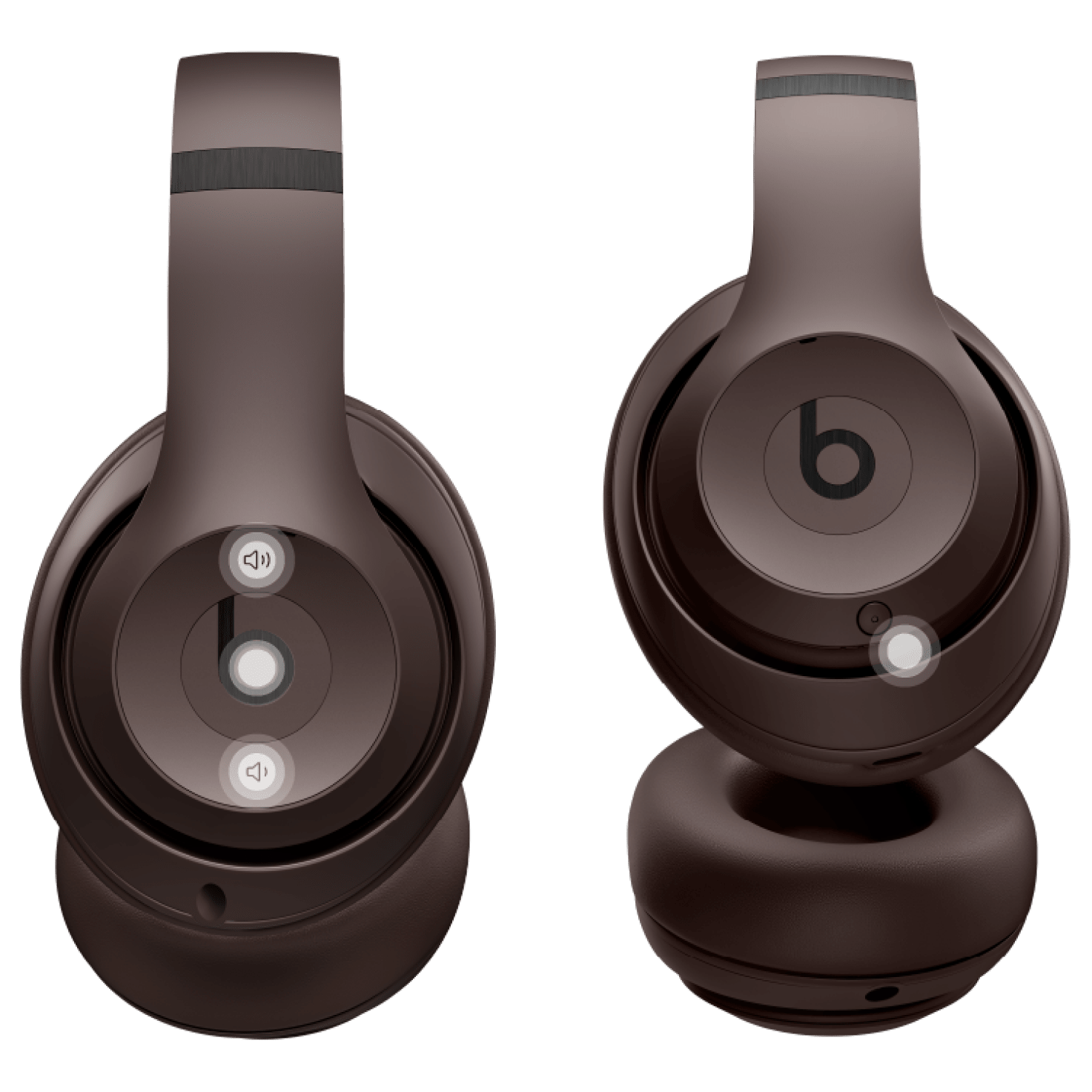
How to Turn Noise Cancellation On or Off
The controls depend on the Beats model, device, and software version. The general process is similar across Apple and many Android devices.
On an iPhone or iPad
- Connect the Beats headphones.
- Open Control Center.
- Press and hold the volume control.
- Select the listening mode control.
- Choose Noise Cancellation, Transparency, or Off, if available.
You may also find model-specific controls in Bluetooth settings or the Beats device settings.
On a Mac
- Connect the Beats headphones.
- Open Control Center from the menu bar.
- Select Sound.
- Choose the connected Beats headphones.
- Select the available listening mode.
On an Android phone
The exact steps depend on the model and the Beats app support available for that product. Pair the headphones, open the relevant device controls, and look for listening mode options.
Some Beats features may require a compatible operating system, firmware, or app. If a control is missing, update the device and confirm that your model supports the feature.
Signs that ANC is active
You may notice:
- A reduction in low background rumble
- Less road or engine noise
- A small change in pressure or sound character
- A change when you switch between ANC and Transparency
A feeling of pressure does not prove that ANC is working. Some people feel pressure even when the system is functioning normally, while others do not feel it at all.

Why Do Beats Headphones Sometimes Make a Hiss or Pressure Sound?
A faint hiss can occur when ANC electronics are active. The system is processing microphone input and sending signals through the drivers.
You may notice it most when no music is playing. A low-level hiss is not automatically a defect, but a loud, new, or uneven noise deserves troubleshooting.
The pressure feeling also has a common explanation. ANC reduces low-frequency sound, which changes the balance of what you hear. Your brain may interpret that change as pressure even though the headphones are not creating harmful air pressure.
Try these steps:
- Switch from ANC to Transparency.
- Switch to Off, if the model provides that option.
- Restart or reconnect the headphones.
- Clean the microphones and earbud openings carefully.
- Check both sides for equal performance.
- Test the headphones with another device.
- Update the headphones and source device.
- Contact Beats or Apple support if the issue continues.
Stop using the headphones if you experience pain, dizziness, ringing, or a sudden hearing change. Seek medical advice if symptoms continue. General ANC behavior is not a diagnosis of an ear or hearing condition.

Does Noise Cancellation Damage Hearing?
ANC itself does not make music safe or unsafe. Listening level and listening time are the main concerns.
Noise cancellation may help some users keep music at a lower level because they do not need to overpower engine noise or background sound. But ANC does not protect you from loud music played through the headphones.
For safer listening:
- Keep the volume as low as practical.
- Take regular breaks.
- Avoid using headphones to block safety-critical sounds.
- Pay attention to ringing or muffled hearing.
- Use hearing protection designed for loud work or events when needed.
Noise-cancelling headphones are not a replacement for certified hearing protection. Do not rely on consumer ANC headphones around firearms, industrial equipment, emergency vehicles, or other very loud hazards.
The National Institute for Occupational Safety and Health and the Centers for Disease Control and Prevention provide U.S. guidance on occupational noise exposure and hearing protection. For work hazards, follow your employer’s safety program and use the protection specified for the task.

Do Beats Noise Cancelling Headphones Work Without Music?
Yes, ANC can reduce some outside noise even when music is paused. The headphones still need power because the microphones, processor, and speakers must operate.
The result may feel less dramatic without music. Music or white noise can mask sounds that ANC does not fully remove, such as voices and high-frequency noise.
Battery behavior varies by model. Some headphones may offer passive listening when the battery is empty, while wireless ANC functions normally require battery power. Check the manual for the exact product.

How Much Battery Does ANC Use?
ANC uses additional electronics, so it can affect battery life. The amount varies by model, listening volume, Bluetooth connection, codec, call use, and other features.
Manufacturers usually list battery estimates under stated test conditions. Real use may differ.
Battery life may be shorter when you use:
- ANC continuously
- High volume
- Voice calls
- Spatial or immersive audio features
- Automatic wear detection
- Frequent mode changes
- Weak Bluetooth connections
If battery life matters, compare the manufacturer’s estimate for the exact Beats model. Do not assume that two Beats products with similar names have the same battery performance.

Troubleshooting: Beats ANC Is Not Working
Use this order because it checks simple causes before hardware problems.
1. Confirm that the model includes ANC
Some Beats headphones do not have active noise cancellation. Check the exact model name, not only the brand or product family.
2. Confirm the listening mode
The headphones may be set to Off or Transparency. Open the device controls and select Noise Cancellation.
3. Improve the seal
Adjust the ear cups or try a different ear-tip size. Compare the sound on the left and right sides.
4. Clean the microphones
Dust, wax, or debris can affect earbud openings and microphones. Follow the model’s cleaning instructions. Do not push liquid or sharp tools into the openings.
5. Charge and reconnect
Charge the headphones, turn Bluetooth off and on, and reconnect. A low battery or connection problem can affect controls.
6. Update software
Install available firmware and update the phone or computer. Features and controls can depend on software compatibility.
7. Reset and pair again
If the issue affects only one device, forget the headphones in Bluetooth settings and pair them again. Use the model’s official reset method.
8. Contact support
Contact Beats or Apple support if ANC remains uneven, produces loud distortion, or fails after the basic checks. Include the model, source device, operating system, and steps that caused the problem.

Common Misunderstandings About Beats ANC
“ANC removes every sound.”
It does not. ANC is strongest against steady, low-frequency noise. Passive isolation and music help with the sounds that remain.
“A higher price always means stronger ANC.”
Price can reflect design, battery life, comfort, microphones, software, and sound features. It does not prove that one model will cancel noise better for every listener.
“Noise cancellation works the same on every Beats model.”
It does not. Microphone layouts, ear-tip designs, ear cups, processors, and software differ between products.
“Transparency mode is the same as turning ANC off.”
Not always. Off may reduce electronic processing, while Transparency uses microphones to add outside sound. The result can feel very different.
“A pressure feeling proves the headphones are unsafe.”
Not by itself. Pressure is a common perception when low-frequency sound changes. Pain, dizziness, hearing changes, or persistent ringing should not be ignored.

How to Choose Beats Headphones for Noise Cancellation
Start with the setting where you will use them most.
| Your main use | What to prioritize |
|---|---|
| Air travel | Strong low-frequency ANC, comfort, battery life |
| Office work | ANC, call microphones, transparency controls |
| Public transit | Seal, ANC, secure fit, easy controls |
| Walking outdoors | Awareness controls and a secure fit |
| Exercise | Stability, sweat guidance, and transparency access |
| Quiet study | Comfort, low hiss, and passive isolation |
Choose over-ear Beats headphones if you want broad ear coverage and do not mind a larger design. Choose earbuds if you need a smaller form and a secure in-ear seal.
Before buying, verify:
- The exact model has ANC.
- Your phone or computer supports its controls.
- Replacement ear tips or cushions are available if needed.
- The fit works with glasses, hair, or exercise.
- You can quickly switch to Transparency or Off.
- The battery meets your normal travel or work needs.
The best choice is the model that fits well, offers the needed listening modes, and matches your environment. ANC performance on paper cannot compensate for a poor seal.

Research Notes and Evidence Limits
This explanation is based on established acoustics principles and manufacturer documentation for Beats listening modes and device controls. Apple’s official support documentation is the appropriate source for current instructions because menus and supported features can change by model and operating system.
Useful references include:
- Apple Support: Beats headphones and earbuds
- Beats official support
- CDC/NIOSH: Noise and hearing loss prevention
- CDC: Hearing protection and noise
Manufacturer battery estimates and feature descriptions are documented specifications, not independent proof that every listener will experience the same level of noise reduction. Fit, ear shape, seal, wind, source device, firmware, and environment can change the result.
FAQs About Beats Noise Cancelling Headphones
Do all Beats headphones have noise cancellation?
No. Beats sells models with ANC, models with passive isolation, and models without active noise cancellation. Check the exact product specifications before purchase.
Can Beats ANC headphones block voices?
They may reduce some background voice noise, but voices are irregular and cover many frequencies. ANC usually cannot remove speech as well as it reduces steady engine or HVAC noise.
Is it better to use ANC or Transparency mode?
Use ANC when you want fewer distractions. Use Transparency when you need to hear announcements, traffic, coworkers, or other sounds around you.
Why does one earbud cancel noise better than the other?
The most common causes are different ear-tip seals, an incorrect fit, blocked microphone openings, or a software issue. Refit both earbuds, clean them according to the manual, and test them again.
Can I use Beats ANC headphones on an airplane?
Yes, if the headphones are permitted by the airline and your device connection follows crew instructions. ANC can be useful for reducing steady aircraft noise, but it is not hearing protection.
Key Takeaways
- Beats ANC headphones use microphones, a processor, and speakers to create anti-noise.
- ANC works best against steady, low-frequency sounds such as engine and HVAC noise.
- Ear cups and ear tips provide passive isolation and help the electronic system work better.
- Fit has a major effect on noise reduction, especially with Beats earbuds.
- Transparency mode adds outside sound instead of canceling it.
- ANC does not make loud music safe or replace certified hearing protection.
- Not every Beats model includes active noise cancellation.
- If ANC seems weak, check the model, mode, fit, cleanliness, battery, software, and connection.
Conclusion
Beats noise cancelling headphones work by combining physical sound blocking with electronic sound reduction. Microphones detect unwanted noise, a processor calculates an opposing signal, and the headphone speakers play that signal near your ears.
The system is most effective against steady background rumble. A good seal, the correct listening mode, and reasonable volume are just as important as the ANC technology itself. Check the exact Beats model before buying, and use Transparency mode whenever you need to stay aware of people, traffic, or announcements.